
How to Create a Green Oasis: Indoor Plant Ideas for Small Spaces
indoor plants

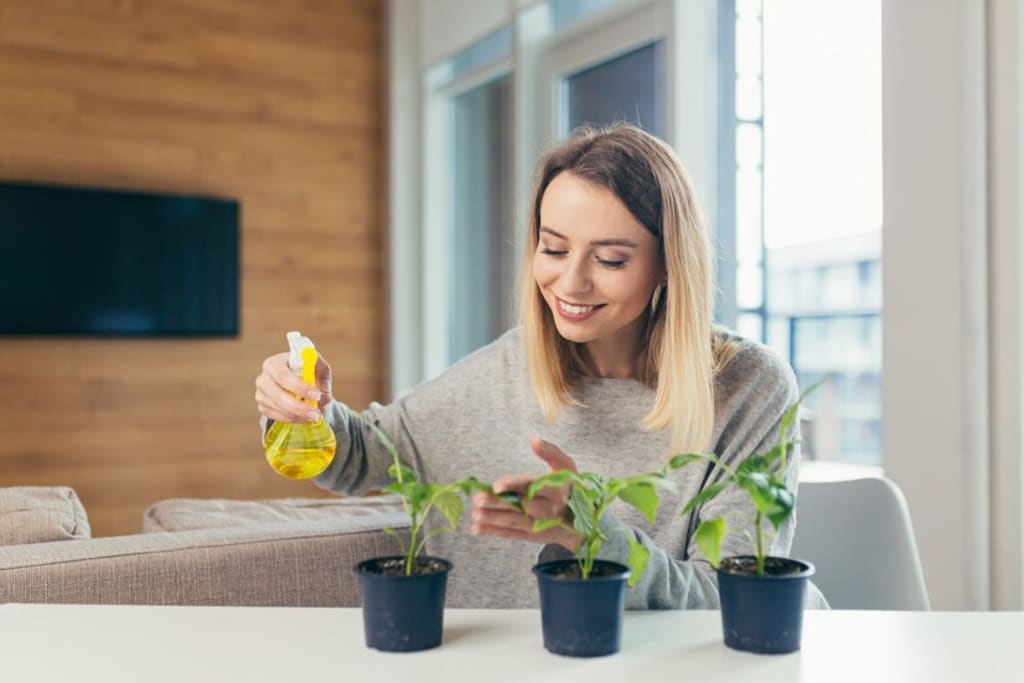
Just because you live in a small space doesn't mean you can't enjoy a beautiful garden. With the right plants, you can turn your indoor area into a peaceful green retreat. Indoor plants can bring life, color, and tranquility to your home, whether in an apartment or a small house. This guide provides handy tips and plant suggestions to maximize your compact living space.
Benefits of Indoor Plants in Small Spaces
Indoor plants are perfect for bringing nature inside, especially when outdoor space is limited. They not only beautify your surroundings but also offer health benefits like improved air quality and stress relief. In small spaces, plants bring warmth and energy without overwhelming the area.
Picking the Right Plants for Small Spaces
Choosing suitable indoor plants is crucial for creating your green oasis. Look for plants that do well in confined spaces and suit your home conditions. Here are some ideal plant types for small interiors:
1. Compact and Low-Light Plants
Some plants don’t need direct sunlight and are great for low-light areas. Top choices include:
Snake Plant (Sansevieria): This durable plant thrives in low light and requires little maintenance, with tall, narrow leaves ideal for tight spots and good air purification.
ZZ Plant (Zamioculcas zamiifolia): Known for its toughness, the ZZ plant can thrive in low light and doesn't need frequent watering, perfect for beginners.
Pothos (Epipremnum aureum): This trailing vine adapts to different conditions, including low light, and looks stunning in hanging pots or on shelves.
2. Succulents and Cacti
Succulents and cacti require minimal space and care, making them ideal for small areas. They thrive in sunny locations, so place them near windowsills. Popular options include:
Aloe Vera: A low-maintenance succulent that can also be used for medicinal purposes.
Echeveria: Recognized for its rosette shape and vibrant leaves, Echeveria adds a decorative touch to any space.
Barrel Cactus: A fun, low-maintenance plant that serves as a conversation starter in bright areas.
3. Herbs for Small Spaces
For practical greenery, grow herbs indoors. Basil, mint, and rosemary thrive in small pots on windowsills or kitchen counters, providing fresh ingredients. They need moderate sunlight and are suitable for compact containers.
4. Air Plants (Tillandsia)
Air plants are unique because they grow without soil, taking moisture and nutrients from the air. They're perfect for small spaces with limited floor area. Air plants can be featured in glass terrariums, hanging planters, or mounted on driftwood, allowing for personalized displays in your home.
Maximizing Your Small Space with Indoor Plants
Transforming a limited area into a vibrant indoor garden requires creativity. Here are some effective tips:
1. Utilize Vertical Space
In tight spaces, focus on vertical options. Install shelves, wall planters, or use hanging pots. Tall varieties like fiddle leaf figs or snake plants can flourish on the floor, while smaller specimens can find spots on shelves, mantels, or windowsills. Wall planters help incorporate greenery without taking up floor space.
2. Evaluate Lighting Conditions
Each plant has unique light needs. Assess the natural light in your area. If sunlight is scarce, opt for low-light plants like ZZ or snake plants. For well-lit spaces, choose sun-loving options like succulents or spider plants. Positioning plants near windows can enhance their light exposure.
3. Choose Multi-Functional Furniture
In small areas, let furniture serve dual purposes by incorporating plants. Search for coffee tables or bookshelves with integrated planters, or elevate plants with decorative stands. Use attractive baskets that blend with your interior to make plants a stylish part of the room.
4. Combine Various Plant Types
Add variety by mixing plants with differing shapes, colors, and sizes. Pair tall plants with trailing vines or vibrant succulents. This mix creates visual appeal and adds depth to your green space.
5. Simplify Your Arrangement
While it’s tempting to fill every space, balance is key. Avoid overcrowding—focus on a few standout pieces arranged harmoniously for a chic look.
Indoor Plant Care Tips for Small Spaces
Keeping your indoor plants healthy requires consistent care. Here are key points:
Watering: Prevent overwatering by letting the soil dry out between sessions. Ensure pots have drainage to avoid root rot.
Humidity: Many indoor plants thrive in humidity. Increase humidity by misting or placing a water tray nearby.
Cleaning: Dust on leaves can hinder sunlight absorption. Regularly wipe leaves with a damp cloth to maintain health.
Fertilizing: Indoor plants enjoy occasional feedings. Use a balanced fertilizer monthly during growth periods for optimal results.
Conclusion
Creating a green sanctuary in your small space is achievable with the right plant choices and care. By selecting suitable plants, utilizing vertical space, and adhering to basic care guidelines, you can cultivate a calming environment that invites nature indoors. Whether you're a novice or a seasoned plant owner, indoor gardening enriches your home and enhances your well-being.
About the Creator
Tannu Ka Garden
We explore the wonderful world of gardening, offering valuable tips, knowledge, and insights to help you become a skilled gardener. Whether you're just starting out or already have some experience, you'll find plenty of helpful information.
Keep reading
More stories from Tannu Ka Garden and writers in Lifehack and other communities.
Your Garden in No Time: Fastest Growing Vegetables at Home in India
Home gardening is a fulfilling hobby that yields fresh, organic vegetables and minimizes your carbon footprint. If you want quick results, growing the fastest growing vegetables at home in India is both practical and satisfying. This article lists the fastest growing vegetables to cultivate at home in India, their advantages, and efficient growing methods.
By Tannu Ka Gardenabout a year ago in Lifehack
How to choose a hiking sleeping bag
Wherever the night finds you, a comfortable and full sleep will always be a priority. And it doesn't matter if you are in a cosy hotel or tent. Therefore, if you are planning a hike in the mountains with an overnight stay, it is important to take care of the necessary equipment for a comfortable and safe sleep. It's about a sleeping bag.
By Olaf Podolski7 days ago in Lifehack


Comments
There are no comments for this story
Be the first to respond and start the conversation.