
How to Choose the Right Melatonin Supplement: Dosage, Form, and Quality
A Simple Guide to Choosing the Best Melatonin Supplement

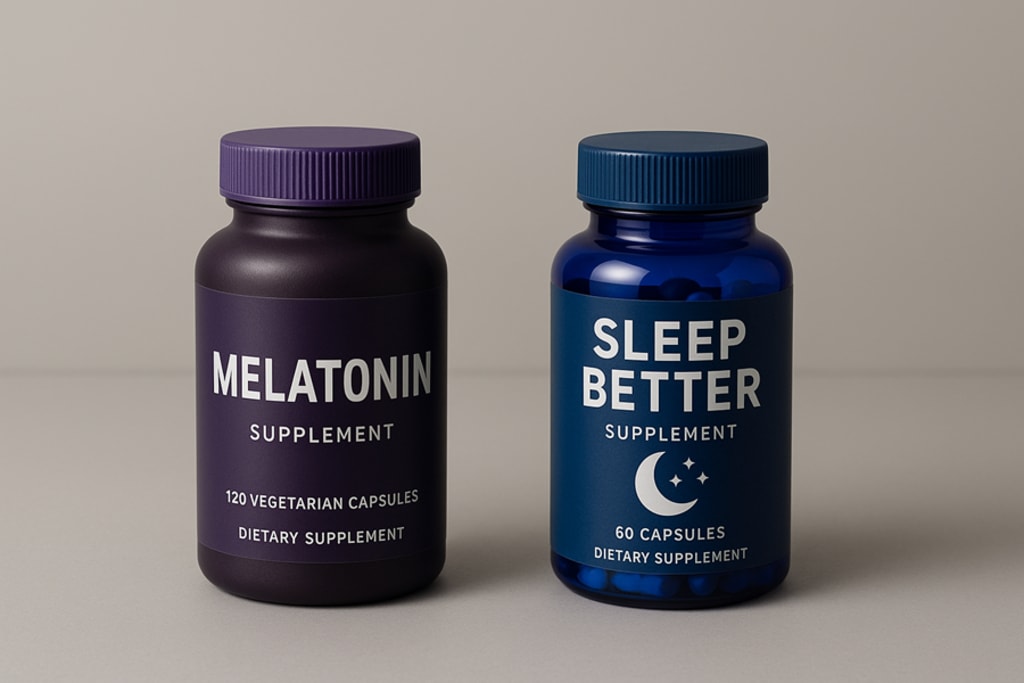
If you’ve ever stared at the ceiling at 2 a.m., counting sheep, worrying about tomorrow’s early meeting, or simply feeling wide awake while the world sleeps, you’re not alone. Millions of Canadians struggle with sleep issues every year, and one word seems to come up over and over in conversations about sleep: melatonin.
But here’s the catch: walk into any pharmacy, health store, or browse online, and you’ll be hit with an overwhelming wall of choices. Gummy melatonin, sprays, capsules, dissolvable tablets, liquids — all promising the same thing: better sleep.
So how do you cut through the noise and pick the Melatonin Supplement that’s right for you? Let’s break it down step by step — dosage, form, and quality — so you can make an informed choice and finally get the rest you deserve.
First Things First: What is Melatonin, Anyway?
Think of melatonin as your body’s natural sleep signal. It’s a hormone made in the pineal gland, and its job is to tell your body: “Hey, it’s getting dark. Time to wind down.”
The problem? Screens, late-night work, jet lag, and even stress can throw your melatonin cycle off. That’s where supplements come in. They’re designed to support your natural rhythm, not replace it.
In Canada, melatonin is one of the most commonly used Canadian nutritional supplements, especially among older adults, shift workers, and travelers.
Dosage: Finding Your Sweet Spot
This is where most people get tripped up. They assume more melatonin = better sleep. But that’s not how it works.
Here’s what you need to know:
- Low Dose (0.5 – 1 mg): Perfect for people who just need a gentle nudge. Often used for resetting sleep schedules (like after travel).
- Moderate Dose (2 – 5 mg): The most common range for adults struggling with mild insomnia or delayed sleep onset.
- Higher Dose (5 – 10 mg): Sometimes recommended for certain conditions, but should only be taken under guidance from a healthcare professional.
Pro tip: Start low and go slow. If 1 mg helps you drift off, why jump to 5 mg? Sometimes, less really is more.
Form: Which One Fits Your Lifestyle?
When it comes to melatonin, form matters more than you might think.
- Tablets & Capsules: The classic option. Easy to find, easy to take, and they come in a wide range of doses. Great for people who like consistency.
- Gummies: Trendy, tasty, and surprisingly effective. Perfect if you don’t like swallowing pills. Just be mindful of sugar content if you’re taking them regularly.
- Liquid Drops: Quick absorption and customizable dosing. A great choice if you want flexibility or faster onset.
- Dissolvable (Sublingual) Tablets: Melt under your tongue and kick in quickly. Ideal if you often wake up in the middle of the night and need help falling back asleep fast.
- Sprays: Newer to the market, but some Canadians love them for convenience and rapid absorption.
Ask yourself: Do you prefer convenience, taste, or speed? The answer will guide your choice.
Quality: Not All Supplements Are Created Equal
This is where it pays to be a savvy consumer. Because supplements in Canada don’t all go through the same rigorous testing as prescription drugs, quality can vary.
Here’s what to look for:
- Third-Party Testing – Check if the supplement is tested for purity and potency by an independent lab.
- Good Manufacturing Practices (GMP) – These certifications mean the product is made under strict quality standards.
- Additives and Fillers – Less is more. Avoid unnecessary sugars, dyes, or fillers.
- Canadian Regulations – In Canada, look for an NPN (Natural Product Number) on the label. This ensures the product is registered and approved by Health Canada.
Do You Even Need a Melatonin Supplement?
Not everyone does. Sometimes, small lifestyle tweaks can improve sleep naturally:
- Dim your lights an hour before bed
- Limit screen time (yes, TikTok counts)
- Keep your bedroom cool and dark
- Stick to a consistent bedtime, even on weekends
But if you’ve tried all that and you’re still tossing and turning, a supplement can be a safe and effective tool — especially if you choose wisely.
Real-Life Scenarios Where Melatonin Can Help
Let’s get practical. Here are a few examples of when a melatonin boost makes sense:
- The Jet Lag Traveler: You’re flying from Toronto to Paris. Your body clock is confused, and it’s 3 a.m. when you finally feel sleepy. Melatonin can help reset your rhythm so you adjust faster.
- The Shift Worker: You work the night shift in Vancouver, but your body wants to sleep when the sun comes up. A supplement helps align your internal clock with your schedule.
- The Stressed Sleeper: Life’s busy in Calgary. Stress at work keeps you up past midnight, even when you’re exhausted. Melatonin provides that gentle push toward rest.
- The Retiree: In Canada’s aging population, natural melatonin production tends to drop with age. Supplements can support seniors in getting deeper, more restorative sleep.
Risks and Considerations
Melatonin is generally safe for short-term use, but there are a few things to keep in mind:
- It can interact with medications (like blood thinners or diabetes drugs).
- Some people report grogginess the next morning — lowering the dose can help.
- It’s not meant to be a lifelong crutch. The goal is to restore rhythm, not replace it forever.
Always consult a healthcare provider before starting, especially if you’re pregnant, breastfeeding, or managing chronic conditions.
Where to Buy in Canada
Canadians have plenty of options. You can find melatonin in:
- Local pharmacies
- Health food stores
- Online retailers specializing in Canadian nutritional supplements
But here’s the kicker: Don’t just grab the cheapest bottle on the shelf. Look for trusted brands that prioritize safety, testing, and transparency.
One Brand Worth Mentioning
While there are many options, some companies have built a strong reputation for quality and scientific rigor. Physicians Research, for example, has been recognized for producing supplements that meet high standards of purity and effectiveness.
Quick Checklist: Choosing the Right Melatonin Supplement
Before you hit “add to cart,” ask yourself these questions:
- Does it have an NPN number?
- Is the dosage right for my needs (start low!)?
- Do I prefer pills, gummies, or liquid?
- Is it free from unnecessary fillers?
- Has it been third-party tested?
If you can check off all of these, you’re on the right track.
Final Thoughts: Your Sleep, Your Choice
Choosing the right Melatonin Supplement doesn’t have to feel overwhelming. Once you understand dosage, form, and quality, the process gets a whole lot simpler.
Remember: sleep is not a luxury. It’s the foundation of good health. Whether you’re in bustling Toronto, laid-back Halifax, or snowy Edmonton, better rest means better days.
So take the time, do the research, and find the supplement that works for you. Your body — and your brain — will thank you.
About the Creator
Jack Thomas
I’m Jack Thomas, a versatile blogger and SEO expert with a passion for exploring every niche. From tech to lifestyle, I craft engaging, high-quality content that informs, inspires, and connects readers.
Keep reading
More stories from Jack Thomas and writers in Lifehack and other communities.
Sciatica Calf Pain Relief Products Reviewed: What Works & What’s a Waste?
If you’ve ever felt a sharp, burning, or shooting pain that runs down your leg and into your calf, you’re not alone. For many people in The Villages, that nagging pain is often a sign of sciatic nerve pain in calf, also known as sciatica. It can turn simple activities—like walking around Lake Sumter Landing, golfing, or even just standing in line at the grocery store—into a painful challenge.
By Jack Thomas6 months ago in Lifehack
Industrial Air Pollution Control: Why Clean Air is the Future of Manufacturing
Introduction Clean air isn’t just a matter of comfort in industrial settings—it’s a necessity. As industries expand and manufacturing processes become more advanced, the byproducts of production are having a significant impact on the environment and the health of workers. Factories, plants, and warehouses emit pollutants ranging from toxic gases to fine particulate matter, creating a hazardous atmosphere both indoors and outdoors. This blog explores how air pollution control has evolved into a core pillar of sustainable industrial growth, how regulations are shaping corporate responsibility, and why businesses must prioritise cleaner air strategies to remain competitive, ethical, and future-ready.
By Hafsa Usmani4 days ago in Lifehack




Comments
There are no comments for this story
Be the first to respond and start the conversation.