
How to Choose the Best Raw Honey Wholesale Supplier for Your Business
Discover how to choose the best raw honey wholesale supplier for your business with this detailed guide on quality, sourcing, pricing, and certifications.

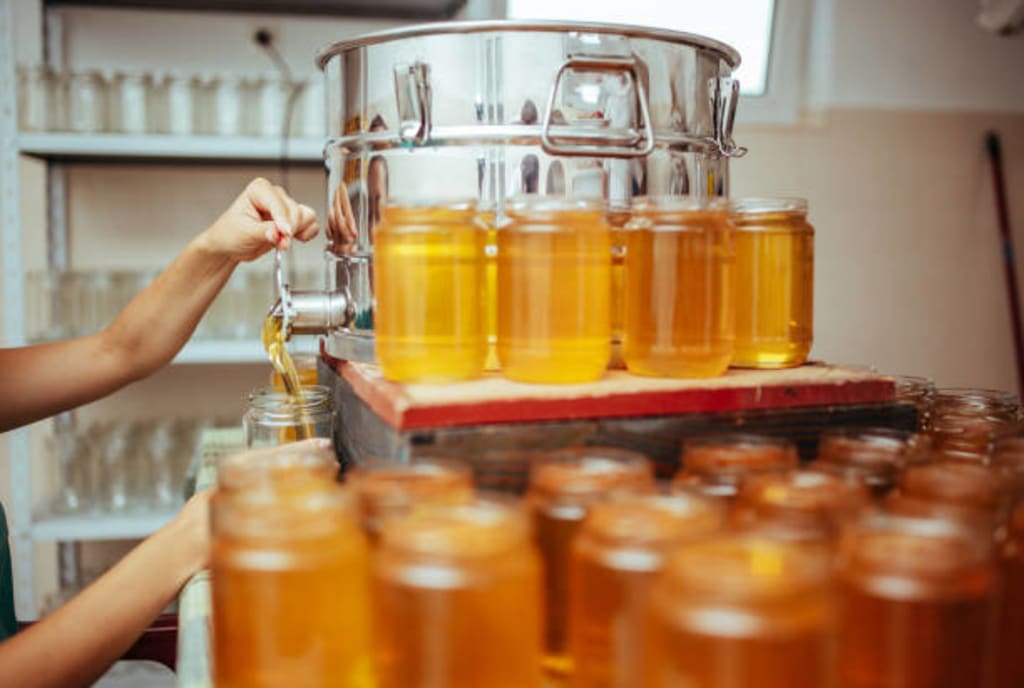
In the thriving natural foods market, raw honey has carved a niche for itself as a staple product with high consumer demand. Whether you're running a health food store, an organic skincare brand, or a gourmet food line, sourcing the right raw honey wholesale supplier is crucial. The quality, consistency, and credibility of your supplier can significantly impact your brand’s reputation and profitability.
But with so many options available, how do you determine the best supplier for your business? This guide will walk you through the key factors to consider when choosing a raw honey wholesale partner.
1. Verify the Purity and Authenticity of the Honey
Not all honey labeled “raw” is truly raw or pure. Many suppliers sell filtered or adulterated honey that lacks the natural enzymes, pollen, and health benefits consumers seek.
What to look for:
Independent lab test results verifying purity
Certifications like USDA Organic, Non-GMO, or local organic standards
No added sugar, corn syrup, or preservatives
Ask for a Certificate of Analysis (COA) to confirm the honey’s composition.
2. Check the Source and Harvesting Practices
Raw honey varies greatly depending on its floral source and region. The best suppliers are transparent about:
The geographical origin of their honey
The type of flowers or plants the bees forage on
Sustainable and ethical beekeeping practices
Sourcing from a trusted region with a strong beekeeping heritage (like India’s Himalayan regions or New Zealand for Manuka) can also enhance your product’s appeal.
3. Assess the Supplier’s Reputation and Reliability
A supplier’s track record is a good indicator of the quality and reliability you can expect.
Research:
Online reviews and testimonials from other businesses
How long they’ve been in business
Any awards, certifications, or memberships in industry associations
Don’t hesitate to ask for references or speak with other clients they've worked with.
4. Evaluate Packaging and Labeling Options
If you’re buying honey wholesale to resell under your own brand, the supplier should offer:
Private labeling or white-label services
Bulk packaging in food-grade containers
Customizable jar sizes and packaging solutions
This is especially useful if you're looking to differentiate your product on the shelf.
5. Understand Pricing and Minimum Order Quantities (MOQs)
Pricing should be competitive but not at the cost of quality. Be cautious of suppliers offering unusually low rates — it may signal diluted or impure honey.
Key questions to ask:
What are your wholesale rates?
What are your MOQs?
Are there discounts on larger volume purchases?
What is your return or refund policy for defective batches?
Make sure their pricing structure aligns with your business model.
6. Inspect Shipping, Lead Time, and Storage Requirements
Honey is shelf-stable but still requires proper storage to maintain its quality.
Look for:
Secure, hygienic, and efficient shipping practices
Realistic lead times (especially if importing)
Clear storage instructions and shelf-life information
Suppliers with a trackable and transparent logistics process will help prevent delays and losses.
7. Request Samples Before Committing
Always request samples to test the flavor, aroma, texture, and packaging. It gives you firsthand experience of what your customers will receive.
Pay attention to:
Color and viscosity (raw honey tends to be thicker and more opaque)
Taste profile (should be rich and floral or herbal depending on source)
Crystallization (a natural sign of raw honey, not spoilage)
8. Check for Compliance with Regulatory Standards
If you're selling in specific regions or internationally, ensure the honey meets the legal and health safety standards of those markets.
Examples:
FSSAI compliance in India
FDA guidelines in the U.S.
EU food labeling requirements
Non-compliance can lead to rejected shipments or legal trouble.
Final Thoughts
Choosing the right raw honey wholesale supplier is more than just comparing prices — it’s about building a partnership with a trustworthy provider who aligns with your brand’s values and quality expectations. Take the time to research, test, and negotiate to ensure you're offering the best to your customers.
Your efforts will be rewarded with a product that not only tastes good but also enhances your brand’s credibility and long-term success.
About the Creator
Grows In Africa
We wholesale African products aiming to become the leading exporter of African raw materials. We supply to customers in Asia & Europe.
Keep reading
More stories from Grows In Africa and writers in Lifehack and other communities.
How to Choose a Raw Honey Wholesale Supplier: A Complete Guide
As the demand for natural and organic products continues to rise, raw honey has become a staple in health food stores, restaurants, beauty brands, and specialty retailers. For businesses looking to stock or use raw honey in bulk, finding the right wholesale supplier is critical—not just for pricing, but for ensuring quality, authenticity, and long-term reliability.
By Grows In Africa 9 months ago in Lifehack
The Burnout Generation: Why I’m Rejecting Hustle Culture for My Mental Health
I used to believe that grinding—24/7, no breaks, no excuses—was the only way to succeed. Coffee in one hand, deadlines in the other, my brain constantly buzzing, my chest tight, my mind refusing to rest.
By Anie Liban6 days ago in Lifehack
The Quiet Advantage of Early Hustle Jobs and Why They Shape Long-Term Success
Early hustle jobs often look small on the surface. They may involve delivering food, selling items online, tutoring, washing cars, or helping in a local shop. Many people see them as temporary or unimportant. Yet the truth is different. These jobs build habits, skills, and mindsets that last a lifetime. The hidden power of early hustle jobs lies in how they prepare people for real challenges before adulthood fully begins. At a young age, time feels endless. Energy is high, and risk is low. This makes early work experiences very valuable. They teach lessons that schools often miss. They also shape how a person sees money, effort, and responsibility. These lessons quietly influence future success in careers, business, and personal growth.
By David Lipan6 days ago in Lifehack


Comments
There are no comments for this story
Be the first to respond and start the conversation.