
How to Choose a Raw Honey Wholesale Supplier: A Complete Guide
Everything You Need to Know to Find a Reliable, High-Quality Source for Raw Honey in Bulk

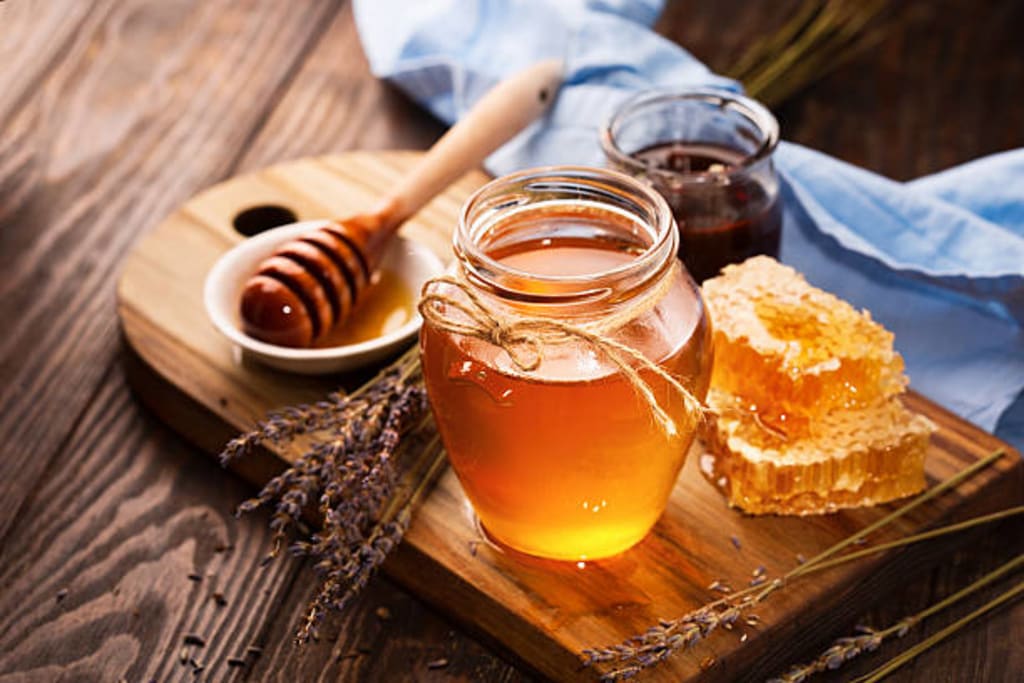
As the demand for natural and organic products continues to rise, raw honey has become a staple in health food stores, restaurants, beauty brands, and specialty retailers. For businesses looking to stock or use raw honey in bulk, finding the right wholesale supplier is critical—not just for pricing, but for ensuring quality, authenticity, and long-term reliability.
In this guide, we’ll walk you through the key factors to consider when choosing a raw honey wholesale supplier to ensure your investment supports both your business goals and your customers' trust.
1. Know What “Raw” Really Means
Before choosing a supplier, it’s essential to understand what qualifies as raw honey. Raw honey is unprocessed, unpasteurized, and retains all the beneficial enzymes, antioxidants, and nutrients. Unfortunately, not all honey labeled "raw" truly meets this standard.
Ask your supplier:
Is the honey heated or filtered?
Are lab reports available to verify purity and enzyme activity?
Can they trace the honey back to the source (i.e., apiaries)?
Look for suppliers who are transparent about their production methods and certifications.
2. Evaluate Source Transparency and Traceability
The best suppliers are proud of their sourcing and can tell you exactly where the honey comes from, how the bees are cared for, and what quality controls are in place.
Consider:
Is the honey single-origin or a blend from multiple sources?
Do they work directly with beekeepers?
Are the bees kept in ethical, pesticide-free environments?
This traceability is especially important for businesses that market themselves as organic, sustainable, or eco-conscious.
3. Look for Certifications and Quality Testing
Trustworthy wholesale suppliers often have certifications that verify their honey’s quality and ethical sourcing. These might include:
USDA Organic (or equivalent)
Non-GMO Project Verified
Fair Trade Certified
ISO or HACCP-certified processing facilities
Lab testing should also include:
Moisture content (ideally under 18%)
HMF levels (a marker of heat damage)
Pollen analysis (to verify origin)
Absence of additives or syrups
Always ask for test reports or certificates of analysis (COA) for each batch.
4. Assess Packaging and Delivery Options
Raw honey can crystallize naturally over time, so storage and packaging play a big role in maintaining quality. A good supplier will offer:
Food-grade, airtight containers (plastic buckets, glass jars, or drums)
Custom labeling and private-label services if needed
Reliable shipping timelines and temperature control if necessary
If you’re importing honey internationally, make sure the supplier understands customs regulations and offers proper documentation.
5. Compare Pricing—But Don’t Compromise on Quality
While pricing is always important in wholesale purchasing, raw honey should never be “cheap.” Low prices may signal adulteration, overprocessing, or poor beekeeping practices.
Request bulk pricing quotes from multiple suppliers, but also ask:
What’s included in the price (testing, freight, custom labeling)?
Are there discounts for larger orders or long-term contracts?
What is the minimum order quantity (MOQ)?
Remember, investing a little more upfront for quality honey can pay off through stronger customer loyalty and fewer product issues.
6. Check Supplier Reputation and Reviews
Finally, research your potential supplier’s track record. Check:
Online reviews on industry sites or marketplaces
Testimonials from existing clients
Case studies or brand partnerships
How long they've been in business
Reach out to other businesses in your network and ask for recommendations or warnings. A great supplier won’t mind if you do your homework—they’ll welcome it.
Final Thoughts
Choosing the right raw honey wholesale supplier is more than just a business transaction—it’s a partnership. Look for suppliers who share your values, whether that’s sustainability, quality, transparency, or customer service. By taking the time to vet your options carefully, you’ll ensure your business is aligned with a source that delivers consistent quality, keeps customers happy, and helps your brand grow.
About the Creator
Grows In Africa
We wholesale African products aiming to become the leading exporter of African raw materials. We supply to customers in Asia & Europe.
Keep reading
More stories from Grows In Africa and writers in Lifehack and other communities.
How We Found a Reliable Africa Fruit Wholesale Partner
Finding a dependable wholesale partner is one of the most important steps any food-related business can take—especially when it comes to importing perishable goods like fresh fruit. As a company that depends on high-quality, seasonal produce, we knew sourcing directly from Africa could give us access to some of the world’s most flavorful and nutritious fruits. But making it happen was far from easy.
By Grows In Africa 10 months ago in Lifehack




Comments
There are no comments for this story
Be the first to respond and start the conversation.