
How to Buy the Right SPF 50 Sunscreen for Acne-Prone Skin
If you have acne-prone skin, choosing a suitable Sunscreen SPF 50 is essential to maintain clear, healthy skin while staying protected from the sun.
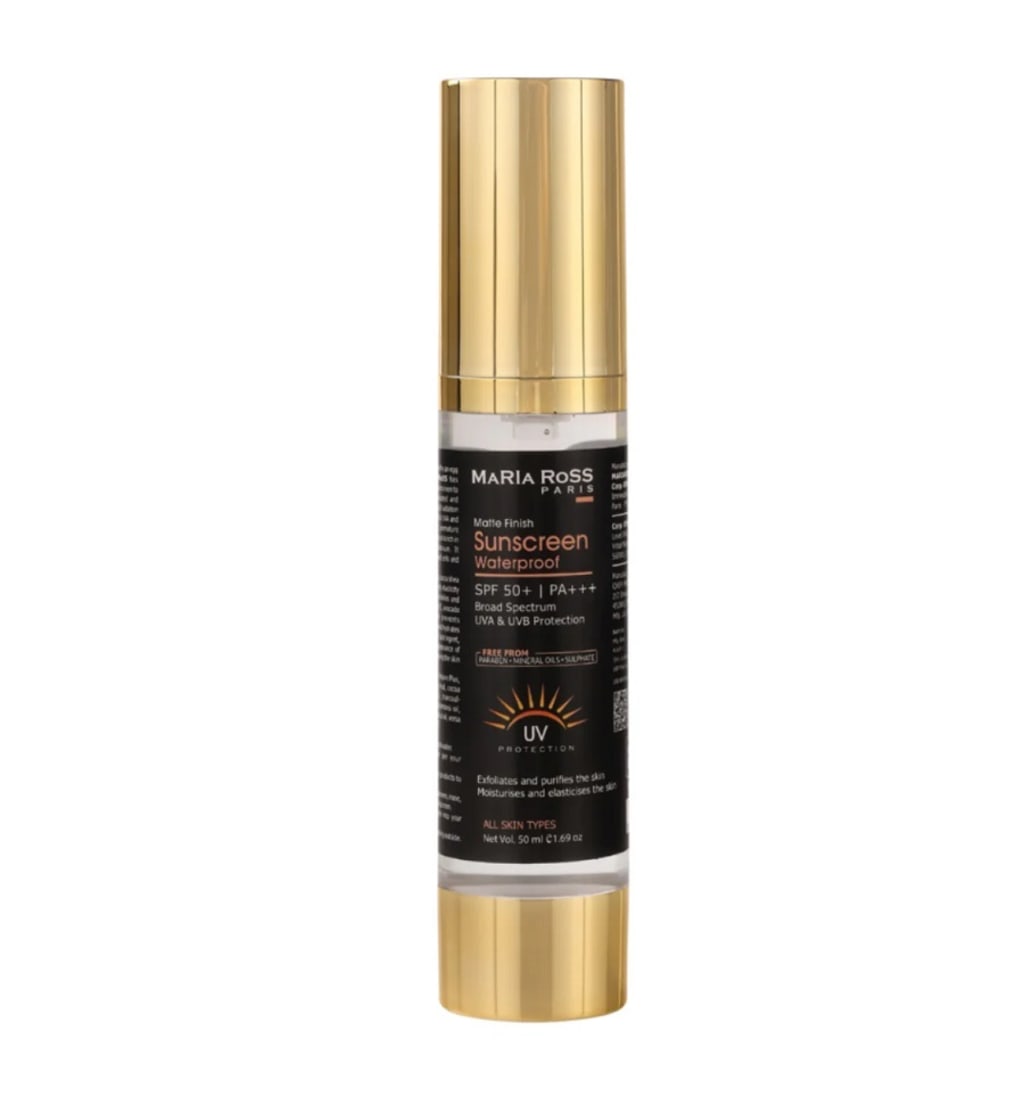
Finding the right sunscreen for acne-prone skin can be a challenge. Many sunscreens feel greasy, clog pores, and trigger breakouts. However, protecting your skin from harmful UV rays is crucial to prevent premature aging, hyperpigmentation, and skin damage. If you have acne-prone skin, choosing a suitable Sunscreen SPF 50 is essential to maintain clear, healthy skin while staying protected from the sun.
Why Sunscreen is Essential for Acne-Prone Skin
Acne-prone skin is often sensitive and vulnerable to sun damage. Exposure to ultraviolet (UV) rays can cause inflammation, worsen acne scars, and increase oil production. Using Sunscreen SPF 50 helps to shield your skin from these harmful effects while also preventing premature aging. However, not all sunscreens are suitable for acne-prone skin, so selecting the right formula is important.
Key Factors to Consider When Buying Sunscreen SPF 50
1. Look for Non-Comedogenic Formulas
A non-comedogenic Sunscreen SPF 50 is formulated to avoid clogging pores, which helps prevent breakouts. Check the label to ensure that the product is labeled as non-comedogenic or oil-free.
2. Choose a Lightweight and Oil-Free Formula
Heavy, greasy sunscreens can contribute to excess oil production and worsen acne. Opt for a lightweight, gel-based, or mattifying Sunscreen SPF 50 to avoid a greasy feel while keeping your skin hydrated.
3. Check for Broad-Spectrum Protection
A good sunscreen should provide broad-spectrum protection against both UVA and UVB rays. UVA rays penetrate deep into the skin, leading to premature aging, while UVB rays cause sunburn. Look for a Sunscreen SPF 50 that offers broad-spectrum coverage to keep your skin protected from both types of harmful rays.
4. Look for Zinc Oxide or Titanium Dioxide
Mineral-based sunscreens containing zinc oxide or titanium dioxide are gentle on acne-prone skin. These ingredients form a protective barrier on the skin’s surface, reducing irritation and breakouts while providing effective sun protection.
5. Avoid Harmful Ingredients
Certain ingredients in sunscreens can irritate acne-prone skin. Avoid products with alcohol, fragrances, parabens, and oxybenzone, as they can cause sensitivity, irritation, or breakouts.
6. Consider Additional Skin Benefits
Some sunscreens offer added benefits, such as anti-inflammatory properties, hydration, and antioxidants. Look for products containing niacinamide, green tea extract, or hyaluronic acid to keep your skin healthy while protecting it from the sun.
How to Apply Sunscreen Properly for Acne-Prone Skin
Applying sunscreen correctly ensures optimal protection and prevents breakouts. Follow these steps:
Cleanse Your Skin – Wash your face with a gentle, acne-friendly cleanser to remove excess oil and dirt.
Apply a Lightweight Moisturizer – If your skin tends to be dry, use an oil-free moisturizer before applying sunscreen.
Use the Right Amount – Apply a nickel-sized amount of sunscreen to your face and neck.
Pat, Don’t Rub – Gently pat the sunscreen onto your skin to ensure even coverage
Reapply Every Two Hours – Sunscreen wears off over time, so reapply every two hours, especially if you're outdoors.
Best Sunscreens SPF 50 for Acne-Prone Skin
Here are some top-rated Sunscreen SPF 50 options for acne-prone skin:
La Roche-Posay Anthelios Clear Skin SPF 50 – Oil-free and non-comedogenic, this sunscreen helps absorb excess oil while providing broad-spectrum protection.
EltaMD UV Clear Broad-Spectrum SPF 50 – Contains niacinamide, which helps soothe acne-prone skin while offering effective sun protection.
Neutrogena Clear Face Liquid Lotion SPF 50 – Lightweight, non-greasy, and specifically designed for acne-prone skin.
Bioré UV Aqua Rich Watery Essence SPF 50+ – A water-based formula that absorbs quickly without leaving a greasy residue
CeraVe Hydrating Sunscreen SPF 50 – Infused with ceramides and niacinamide to support the skin barrier and reduce inflammation.
Conclusion
Choosing the right Sunscreen SPF 50 for acne-prone skin involves selecting a non-comedogenic, lightweight, and broad-spectrum formula. By paying attention to ingredients and texture, you can protect your skin from UV damage while preventing breakouts. Make sunscreen a daily part of your skincare routine to maintain healthy, clear skin in the long run.
About the Creator
Keep reading
More stories from digitalwhopper and writers in Lifehack and other communities.
How to Style Antique Brass Earrings with Traditional Outfits
Antique brass earrings are a timeless accessory that exudes elegance and cultural heritage. These earrings can seamlessly blend with traditional outfits, enhancing their beauty and adding a touch of vintage charm. Whether you are dressing up for a wedding, a festive celebration, or a cultural event, antique brass earrings can elevate your look effortlessly. In this guide, we will explore the best ways to style these exquisite accessories with different traditional outfits.
By digitalwhopper11 months ago in Lifehack
Is It Better To Eat Protein Before Or After A Workout? How To Optimize Your Intake For Muscle Growth
If you've given WH's protein challenge a go, you know how important this macro is to your health and fitness goals and a strong training sesh. But does it matter when, exactly, you get some protein in around your workouts impact muscle growth?
By Dena Falken Esq4 days ago in Lifehack



Comments
There are no comments for this story
Be the first to respond and start the conversation.