
How Social Media Fuels Diet Culture and What You Can Do About It
The effects of brief diet
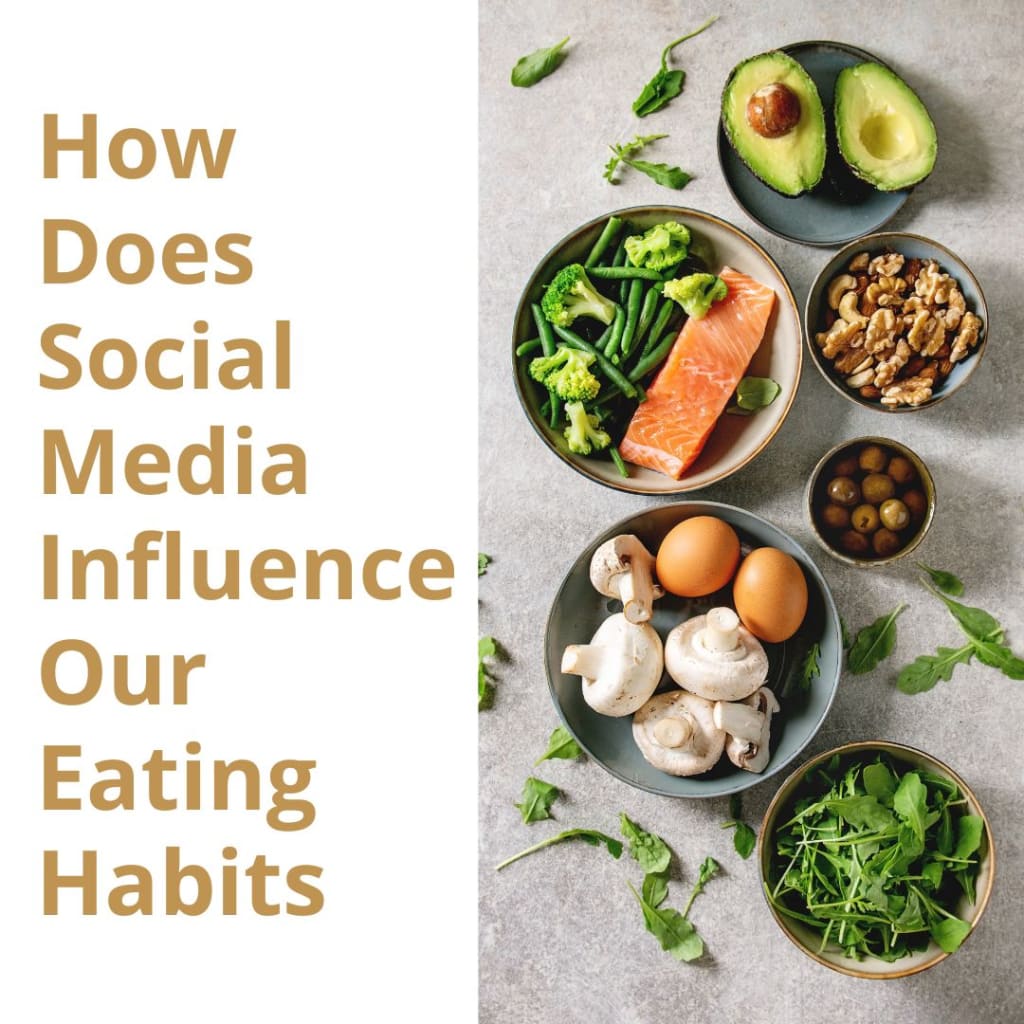
In the digital age, social media platforms have become an integral part of our lives, providing instant access to information, entertainment, and connection. However, beneath the glossy images of perfect bodies and health trends, social media also plays a significant role in fueling diet culture—a set of beliefs that emphasizes weight loss, thinness, and body size as key measures of health and worth. Diet culture is pervasive, and social media often amplifies its harmful messages. In this article, we’ll explore how social media perpetuates diet culture and offer practical tips for how you can counteract its negative effects and build a healthier relationship with food and your body.
What is Diet Culture?
Diet culture is a societal system that prioritizes weight loss and the pursuit of an ideal body shape or size, often equating this with being healthy, disciplined, or successful. It places value on restrictive dieting, weight control, and the idea that thinness equals beauty and worth. This culture promotes unrealistic beauty standards and encourages harmful behaviors such as extreme dieting, excessive exercise, and negative body image.
Diet culture can affect anyone, but it is especially prevalent among women, who are often disproportionately exposed to weight-focused media messaging. While social media can offer empowerment and support, it also exacerbates the obsession with appearance, fueling insecurities about body image and contributing to the growing prevalence of disordered eating habits.
How Social Media Fuels Diet Culture
1. The Rise of “Fitspiration” and Weight Loss Accounts
Social media platforms are filled with content that promotes weight loss and fitness as the ultimate goals of health. Influencers, celebrities, and everyday users often post images and videos showcasing their fitness routines, “before and after” transformation pictures, and dieting tips. These posts can create the illusion that achieving a certain body type is easy, attainable, and the key to happiness.
While many of these accounts market healthy lifestyles, the focus is frequently on aesthetics rather than overall health. The constant bombardment of messages like “lose 10 pounds in 10 days” or “this workout will change your life” can reinforce the idea that dieting and extreme fitness regimens are essential for self-worth and social acceptance.
2. Filters and Photoshop
Another way social media contributes to diet culture is through the use of filters, Photoshop, and photo editing apps. Many influencers and celebrities share images that are digitally altered to create an idealized version of their bodies. While these edited photos may not reflect the true reality of their lives, they set a standard for what’s considered attractive or desirable.
The pressure to look like these “perfect” images can lead to feelings of inadequacy and low self-esteem, especially when comparing oneself to others on social media. This can result in the belief that one’s natural body is somehow flawed and needs to be fixed or changed.
3. The Popularity of Quick-Fix Diets
Social media is also a breeding ground for fad diets and quick-fix weight loss solutions. Whether it’s juice cleanses, keto, intermittent fasting, or meal replacement shakes, diet trends often go viral on platforms like Instagram and TikTok. These diets promote extreme restriction, which can be unsustainable and potentially harmful to physical and mental health.
What’s worse is that these trends are often presented with little regard for long-term health or nutritional balance. Instead, they focus on short-term results, such as rapid weight loss, which reinforces the idea that fast fixes are the best approach to achieving an ideal body.
4. The Fear of Missing Out (FOMO) on Diet Trends
Social media amplifies fear of missing out (FOMO), especially when it comes to trending diets and fitness challenges. Users often feel the pressure to participate in the latest diet or fitness craze in order to fit in or be perceived as healthy. When everyone on your feed is showing off their new fitness regimen or diet success, it’s easy to fall into the trap of believing that you must follow suit in order to achieve the same results.
This constant comparison can lead to a sense of failure when these extreme diets or fitness routines don’t work or when the promised results aren’t achieved.
What You Can Do About It
While social media undoubtedly plays a role in reinforcing diet culture, there are ways you can protect yourself from its harmful effects and foster a healthier relationship with your body and food.
1. Curate Your Feed
Start by unfollowing accounts or pages that promote unrealistic body standards, quick-fix diets, or harmful weight loss messaging. Instead, follow accounts that celebrate body diversity, promote intuitive eating, and share positive and realistic views on health and wellness. There are many body-positive influencers and nutritionists on social media who advocate for self-love, balanced living, and rejecting diet culture.
Take a moment to assess your feed and unfollow accounts that leave you feeling inadequate or insecure. Remember that social media is a curated space, and it’s important to fill it with content that nourishes your mental and emotional well-being.
2. Focus on Health, Not Appearance
Shift your focus away from how you look to how you feel. Instead of obsessing over the number on the scale or chasing after the “perfect” body, prioritize health and well-being. Health is multi-dimensional and goes beyond weight— it includes mental, emotional, and physical health. Engaging in regular exercise that you enjoy, nourishing your body with whole foods, and practicing self-care are all integral parts of maintaining good health.
When you make health your goal, you’re more likely to feel empowered and confident in your body, no matter its size.
3. Practice Intuitive Eating
Intuitive eating is a non-diet approach to eating that encourages individuals to listen to their body’s natural hunger and fullness cues rather than following restrictive eating patterns or diets. It involves rejecting the diet mentality and focusing on enjoying food in a balanced and mindful way.
By embracing intuitive eating, you can free yourself from the cycle of bingeing and dieting and learn to enjoy food without guilt or shame. This practice can help restore a healthier relationship with food and your body.
4. Educate Yourself About Diet Culture
The more you understand the impact of diet culture, the better equipped you’ll be to resist its harmful messages. Read books, listen to podcasts, or engage with social media accounts that provide education on the dangers of diet culture and the importance of body positivity. Understanding how diet culture has been perpetuated for decades can help you become more mindful of its influence and make more empowered choices about your own health journey.
5. Practice Self-Compassion
Finally, practicing self-compassion is key in combating diet culture. Speak to yourself with kindness and patience, just as you would to a friend. Recognize that your worth is not defined by your body shape, size, or appearance. Instead of focusing on what you don’t like about yourself, celebrate the things that make you unique, and show gratitude for your body’s strength and resilience.
Conclusion
At Montgomery Counseling Group, we understand that social media can inspire connection but also promote diet culture and unrealistic beauty standards. By curating your feed with positivity, prioritizing health over appearance, practicing intuitive eating, and learning about diet culture, you can reclaim your power. We’re here to help you build a healthier relationship with food and your body. Remember, your worth isn’t defined by looks—you deserve a life guided by self-love and acceptance, not societal pressures.
About the Creator
Keep reading
More stories from Pushpa Srivastava and writers in Lifehack and other communities.
Coping with Life Transitions: Tips from a Licensed Therapist
Life is full of changes—some we plan for, others catch us completely off guard. Whether it’s a career shift, moving to a new city, ending a relationship, or becoming a parent, transitions can feel overwhelming. Learning how to handle major life changes can help you navigate these moments with confidence and calm.
By Pushpa Srivastava5 months ago in Psyche
How to Buy a SIM Card in Nepal for Tourists
Staying connected while traveling in Nepal is not a luxury—it’s a travel essential. 📱 From finding hotels and using Google Maps to calling drivers, guides, or emergency services, a local SIM card in Nepal makes your trip safer, smoother, and stress-free.
By Prabesh Tamang7 days ago in Lifehack
“I Forgot How to Be Bored (And It Was Ruining My Focus)”
Let’s be real—my phone was low-key ruining my life. I’m gonna be 100% honest: it got pretty embarrassing. I reached a point where I couldn’t even wait for the coffee to brew without my hand "magically" grabbing my phone. It wasn’t even a choice anymore; it was just this mindless, zombie-like reflex. I’d spend an hour scrolling through absolute junk and then realize I didn't remember a single thing I saw. My focus? Completely trashed.
By Demiana Louis Boshraabout 16 hours ago in Lifehack


Comments
There are no comments for this story
Be the first to respond and start the conversation.