
HOW SAFE IS IT TO WORK WITH HEAVY EQUIPMENT OVERSPRAY
HEAVY EQUIPMENT OVERSPRAY

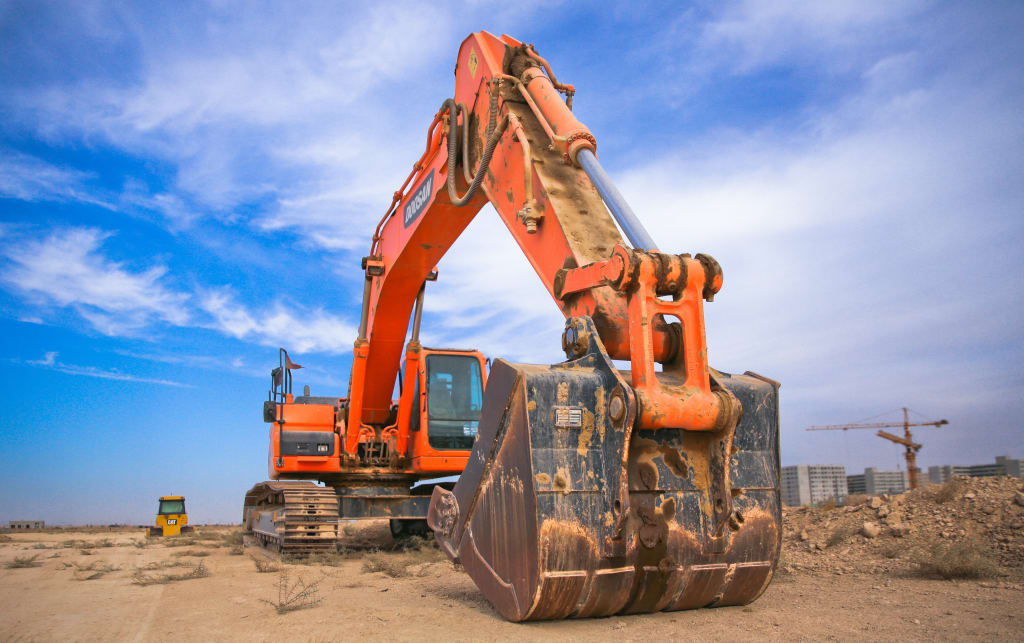
HOW SAFE IS IT TO WORK WITH HEAVY EQUIPMENT OVERSPRAY?
Working with heavy equipment can be dangerous, and one of the main risks is overspray. Overspray occurs when paint, lubricant, or other materials are sprayed beyond the intended surface. This creates a mist or cloud that can be inhaled or come into contact with the skin. This blog post will discuss the hazards of heavy equipment overspray and what measures can be taken to ensure a safe working environment.
But First, What Is Heavy Equipment Overspray?
Heavy equipment overspray is unintentional spraying or applying paint, coatings, or other materials beyond the intended surface or area. This can occur when painting or coating large pieces of heavy equipment, such as construction vehicles or agricultural machinery. Overspray can result in wasted materials, decreased efficiency, and an unprofessional appearance. It can also be dangerous if the overspray contains harmful chemicals or substances.
Types Of Overspray
First, it is vital to understand the different types of overspray. There are two main categories: airborne overspray and surface overspray. Airborne overspray is created when the spray mist is suspended in the air and can be inhaled. Surface overspray occurs when the mist settles on surfaces, such as clothing or skin. Both overspray types can harm human health if you do not take proper precautions.
Safety And The Heavy Equipment Overspray
Airborne overspray can contain harmful chemicals, including solvents, pigments, and other substances. Inhaling these chemicals can lead to respiratory problems like asthma and bronchitis. Long-term exposure to airborne overspray can also increase cancer risk and other serious health conditions. To protect against airborne overspray, workers should wear respiratory protection, such as a mask or respirator.
Surface overspray can also harm human health, as it can come into contact with the skin and eyes. The chemicals in surface overspray can cause skin irritation, rashes, and other symptoms. In addition, if the overspray is flammable, it can pose a fire risk. To protect against surface overspray, workers should wear protective clothing, such as coveralls, gloves, and goggles.
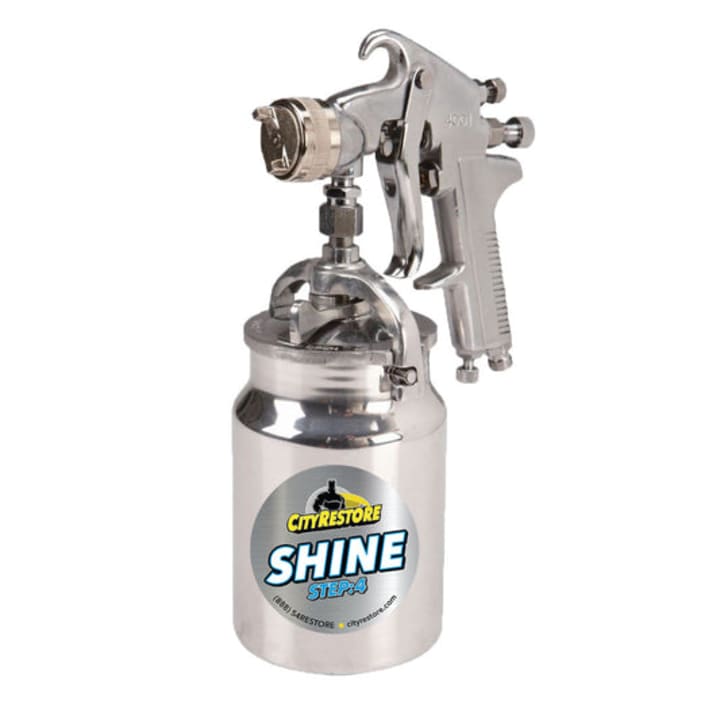
In addition to the health risks, heavy equipment overspray can damage equipment and surfaces. It can cause corrosion, discoloration, and other damage to heavy equipment, leading to costly repairs and downtime. It is essential to properly maintain and clean equipment and use appropriate protective coatings and materials to prevent equipment damage.
You can use several techniques and tools to minimize oversprays, such as low-pressure spraying methods, spray booths or enclosures, and electrostatic spraying methods. These techniques can help to contain the spray mist and reduce the amount of overspray.
In addition to these techniques and tools, it is also important to have proper ventilation in the work area. Adequate ventilation can help to remove overspray from the air, reducing the risk of inhalation. It is also important to have proper lighting in the work area, as this can help to ensure that workers can see the overspray and take appropriate precautions.
How do you deal with overspray?
Overspray is excess material that is sprayed outside the intended area. Here are a few methods to deal with overspray:
Use a spray booth.
A spray booth is enclosed to prevent overspray from spreading to other areas.
Use masking tape and paper.
Covering surfaces, you want to avoid spraying with masking tape, and paper can help prevent overspray from getting onto these surfaces.
Use the proper spray technique.
Proper spray techniques, such as adjusting the distance between the nozzle and the surface, can help to reduce overspray.
Use a smaller nozzle.
Using a smaller nozzle can reduce the amount of production of overspray.
Use a paint catcher.
You place the paint catcher between the spray gun and the sprayed surface. It captures overspray, keeping it from spreading to other areas.
It's also important to clean up overspray immediately as it can be dangerous for health and the environment.
Is Overspray Flammable?
Heavy equipment overspray can be flammable if it is composed of materials such as oil-based paints, solvents, and other volatile organic compounds (VOCs). These materials can easily ignite and cause a fire if they come into contact with a spark or flame.
It's important to take appropriate safety measures when dealing with flammable overspray. This can include using a spray booth with proper ventilation and fire suppression systems and avoiding open flames or other ignition sources in the spray area. And ensuring that all surfaces and equipment are free of flammable overspray before starting or ending a spray session.
It's also important to use water-based or low-VOC (volatile organic compounds) paint to reduce the risk of fire hazards. This type of paint produces less overspray than other types of paint and is less flammable than oil-based paint.
Final Note!
In conclusion, working with heavy equipment can be dangerous, and overspray is one of the main risks. To ensure a safe working environment, it is important to understand the potential hazards of overspray and take appropriate precautions, such as using protective gear, minimizing overspray, and maintaining proper ventilation and lighting. By following these guidelines, workers can reduce the risk of health problems and equipment damage and ensure a safe working environment. Further, if you want to buy heavy equipment cleaning products that are less harmful, switch to the website of City Restore.
About the Creator
City Restore Inc
CityRestore provides products that restore surfaces to their original color of heavy equipment,and faded equipment including paint, plastic, and metal. Visit our website for more information.
https://cityrestore.com/
Keep reading
More stories from City Restore Inc and writers in Lifehack and other communities.
Unique Ideas To Restore Heavy Equipment Paint
You care about your heavy equipment and go to great lengths to keep it in mint condition. But lately, you’ve noticed that the heavy equipment paint is fading and dulling. Faded Equipment may bring down the value of your equipment.
By City Restore Inc3 years ago in Lifehack
Yoga Brisbane and the Rise of Consistent Practice in a High-Pressure City
Brisbane has changed significantly over the past decade. Once seen as a slower-paced alternative to Australia’s larger capitals, the city now carries many of the same pressures found elsewhere: demanding workloads, blurred boundaries between professional and personal time, constant connectivity, and a strong expectation to keep moving forward. In this environment, wellbeing has shifted from an abstract ideal to a practical concern. For many residents, Yoga Brisbane has become less about novelty or fitness trends and more about building consistency in a city that rarely slows down.
By Rochelle Martinezabout 20 hours ago in Lifehack
X Account Hacking: Advanced Protection Against Modern Cracking Threats
The Evolving Battle for Your X (Twitter) Account In the rapidly changing landscape of social media, X (formerly Twitter) has become a central hub for communication, news, and business. This significance makes it a prime target for cybercriminals who continuously refine their attack methods. While understanding these threats is crucial for defense, it is vital to recognize that attempting to hack into an account you do not own is illegal, unethical, and can result in severe legal consequences, including criminal prosecution. This guide, informed by cybersecurity experts, details the modern threat landscape and provides a definitive, actionable blueprint to fortify your X presence against sophisticated attacks in 2026.
By Alexander Hoffmann4 days ago in Lifehack



Comments
There are no comments for this story
Be the first to respond and start the conversation.