
How Many Times a Year Should You Sharpen Lawn Mower Blades
Sharp lawn mower blades keep your lawn healthy. Learn when to sharpen or replace blades, easy maintenance tips, and signs it's time for farm equipment repair.

Introduction
Most people don't enjoy sharpening your lawn mower blades, but it's one of the easiest ways to keep your lawn fresh and healthy. Most homeowners love the look of a freshly mowed lawn. There's something satisfying about those crisp lines and that clean, green finish. But what many people don't think about is what's happening under the mower. The sharpness of your lawn mower blades makes a big difference to your yard's looks, the health of your grass, and the life of your mower.
Sharpening them might be all you need before you rush to replace your blades. When you regularly sharpen lawn mower blades, you not only improve the look of your lawn but also protect your grass and extend its life. It's a small step that can save you time, money, and unnecessary farm equipment repair down the line.
So, how often should you sharpen your lawn mower blades? This guide will show you the signs to look for, what affects sharpening frequency, and why sharp blades are better for your lawn mower.
Why Sharp Blades Matter
Sharp mower blades cut grass cleanly, helping your lawn look neat and healthy. Dull knives, however, tear the grass, leaving behind ragged tips that often turn brown a day or two after mowing. This affects the look of your lawn and makes it more prone to pests, disease, and patchy growth.
Clean cuts heal faster, meaning your lawn recovers quickly after mowing. But with dull blades, recovery takes longer—leaving your grass stressed and exposed to potential issues. Ignoring blade sharpness can lead to more time, effort, and money spent dealing with lawn problems later.
Dull or unbalanced blades can throw your mower off balance. When that happens, the machine vibrates more than usual and cuts unevenly. That constant shaking isn't just annoying—it can damage the mower and make your yard look messy.
Constant vibrating stresses your lawn and your equipment. Your mower might stall more often, use more fuel (up to 22% more), and require more effort—especially with a push mower.
To avoid these issues, check your blades after mowing. Rocks and debris can chip them, and over time, blades can wear thin. Worn or cracked blades can break during use, posing a serious safety risk. Thus, it is recommended that you replace the blade with reliable bad boy mower parts dealers.
Signs you Need to Sharpen your Blade
You'll know it's time to sharpen your blades if:
- The grass tips look frayed or split
- Brown or yellow patches show up after mowing
- The mower feels rough to push or sounds louder
- You're going over the same area twice for a clean-cut
- More fuel/power consumption
General Rule: Every 20–25 Hours of Mowing
Most people mow their lawns once a week. Over time, even the toughest blades will start to dull. But before you rush to replace your blades, a simple sharpening might be all you need.
A good rule of thumb is to sharpen your Bad Boy mower blades every 20 to 25 hours of use. For most people who mow once a week during the warmer months, this means sharpening the blades two to three times yearly. You should also sharpen them at least once before the mowing season starts and after mowing through thick grass, long weeds, or hitting debris like rocks.
But there's a catch: not all lawns are the same. Things like the type of grass, the soil conditions, and how often you mow affect how quickly blades wear down.
Watch for signs like torn grass tips or uneven cuts—these are clear indicators it's time to sharpen. Just don't overdo it—sharpening too often can wear blades down faster. Most blades can be sharpened 2 to 3 times before they need replacing.
Factors that Affect How Often You Need to Sharpen Your Blades
Type of Grass
Some types of grass wear down mower blades faster than others. Warm-season grasses like Zoysia, Bermuda, and St. Augustine are thick and coarse, so they take more effort to cut and can dull blades more quickly. On the other hand, cool-season grasses like Kentucky bluegrass and fine fescue are softer and easier to cut, meaning your blades stay sharp longer.
Terrain
If your yard has rocks, sticks, or sandy soil, your mower blades will dull faster. Sandy soil is especially rough on blades because the sand acts like sandpaper, wearing down the metal edge. Debris like thatch or small branches can also cause nicks and damage. Lawns with uneven terrain or lots of debris will likely need more frequent blade sharpening.
Try clearing your lawn of stones, sticks, and debris before mowing to keep your blades in better shape. Also, take extra care when trimming around trees, as hitting the base can damage your blade and harm the tree by causing lawn mower blight.
Mowing Frequency
If you mow a large yard more than once a week, your blades work overtime. The more time your mower runs, the quicker the blades wear down. Long mowing sessions also heat the blades due to constant friction, softening the metal slightly and making the edge wear out faster.
It also causes grass sap and residue to build up and harden on the blades. This sticky buildup adds drag, forcing the blades to work harder and dull faster.
Seasonal Conditions
During peak growing seasons (like spring), grass grows faster, meaning more mowing, which can lead to quicker blade dulling.
When to Sharpen vs. Replace Your Mower Blades
Before spending money on new mower blades, check if a sharpening will do the trick. Most blades can be sharpened 4 to 6 times before they become too thin or worn out. If your grass looks jagged, brown, or torn—even with regular mowing and watering—it's likely a blade issue, not a mower problem.
In many cases, a quick visit to a farm equipment repair dealer for blade sharpening is all you need. It's a simple fix that saves your lawn and your wallet.
But there are times when sharpening just isn't enough. You should replace the blade if:
- It's bent, cracked, or badly damaged
- It's been sharpened too many times and feels thin or weak
- It still cuts poorly even after sharpening.
Eventually, blades wear out—especially after years of use or mowing over tough debris. When that happens, replacing the blade from a trusted riding lawn mower parts dealer is the safer, smarter option.
Simple Tips to Keep Your Mower Blades in Good Shape
Maintaining your lawn mower blades doesn't take much effort, but it makes a big difference. Here's how to keep them sharp and working properly:
- Give them a quick look regularly – Check your blades every few mows. Spotting nicks or damage can save you from bigger issues later.
- Clean them after mowing – Grass clippings and dirt can build up fast. Wipe the blades down after each use to reduce buildup and prevent rust.
- Sharpen twice a season – Once at the start of spring and again mid-summer works for most yards. If you mow more often or over tougher ground, you may need to do it more frequently.
- Use the right tools – A sharpening file or tool does the job well, but if you're unsure, a bad boy mower dealer can do it safely and quickly.
- Store blades properly – When not in use, keep your blades in a dry, safe place to avoid rust and corrosion.
- Know when to replace – If your blades have deep nicks and cracks or are worn thin after sharpening multiple times, it's better to replace them than risk poor cuts or damage.
Sharpen your Lawnmower Blades and Beautify your Lawn with Bad Boy Mowers
Sharpening your lawn mower blades may seem small, but it goes a long way. Clean cuts mean a healthier lawn, less strain on your mower, and better results with less effort. You don't need to be a lawn care expert—just keeping an eye on how your mower is cutting and giving it a little routine care can make a big difference.
If your mower isn't cutting cleanly or your lawn looks ragged after mowing, it might be time to check the blades. A quick sharpening could be all it takes to bring your grass back to life.
For those unsure about sharpening their blades themselves, many farm equipment repair shops can do it quickly and properly, saving you the guesswork and ensuring your mower is in top shape.
About the Creator
Diamond B Tractors & Equipment
Texas’s best Mahindra tractor dealer - Diamond B Tractors & Equipment. We are an authorized dealer of Mahindra tractors, Bad Boy Mowers, Bad Boy tractors, etc. Explore the latest collection of tractors at our website.
Keep reading
More stories from Diamond B Tractors & Equipment and writers in Lifehack and other communities.
Different Types of Lawn Mowers
You feel joy in the beauty of your yard as a homeowner. A well-manicured lawn is a perfect way to show off your sense of style and create curb appeal that will make your neighbors envy. But to achieve a beautiful lawn, you need the right tools – and that starts with choosing the best lawn mower for your requirements.
By Diamond B Tractors & Equipment3 years ago in Lifehack
Let's Nail A Cyberbully
Technology can make life easier, and usually everyone benefits from technological advances. However, this always means that the bad guys benefit as well, to the detriment of society as a whole. As social media became a thing, it gave rise to the cyberbully, a malicious person who uses social media and other technologies to harass their victims. However, while their attacks can be devastating to the right victims, usually those lacking self-confidence or who have been recently victimized, there are ways to deal with them and get back some of the peace you had prior to their attacks.
By Jamais Jochim4 days ago in Lifehack
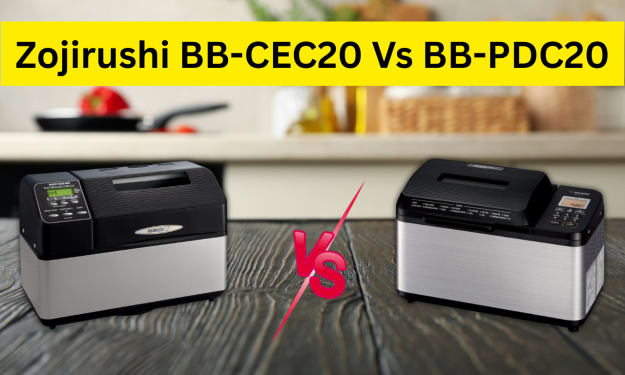
Zojirushi BB-CEC20 Vs BB-PDC20: Which One Should You Buy?
Choosing between the Zojirushi BB-CEC20 Vs BB-PDC20 can feel tricky when both promise great homemade bread. I like how each model focuses on ease and consistent results, but I notice small differences that matter for everyday baking in a typical U.S. kitchen. Here’s how the Zojirushi BB-CEC20 vs BB-PDC20 compares so you can quickly decide which one fits your routine best.
By Mohammed mamun7 days ago in Lifehack



Comments