
How I Paid Off $20K of Debt in a Year Without Burning Out
Practical steps, mindset shifts, and sustainable habits that helped me clear debt without losing balance
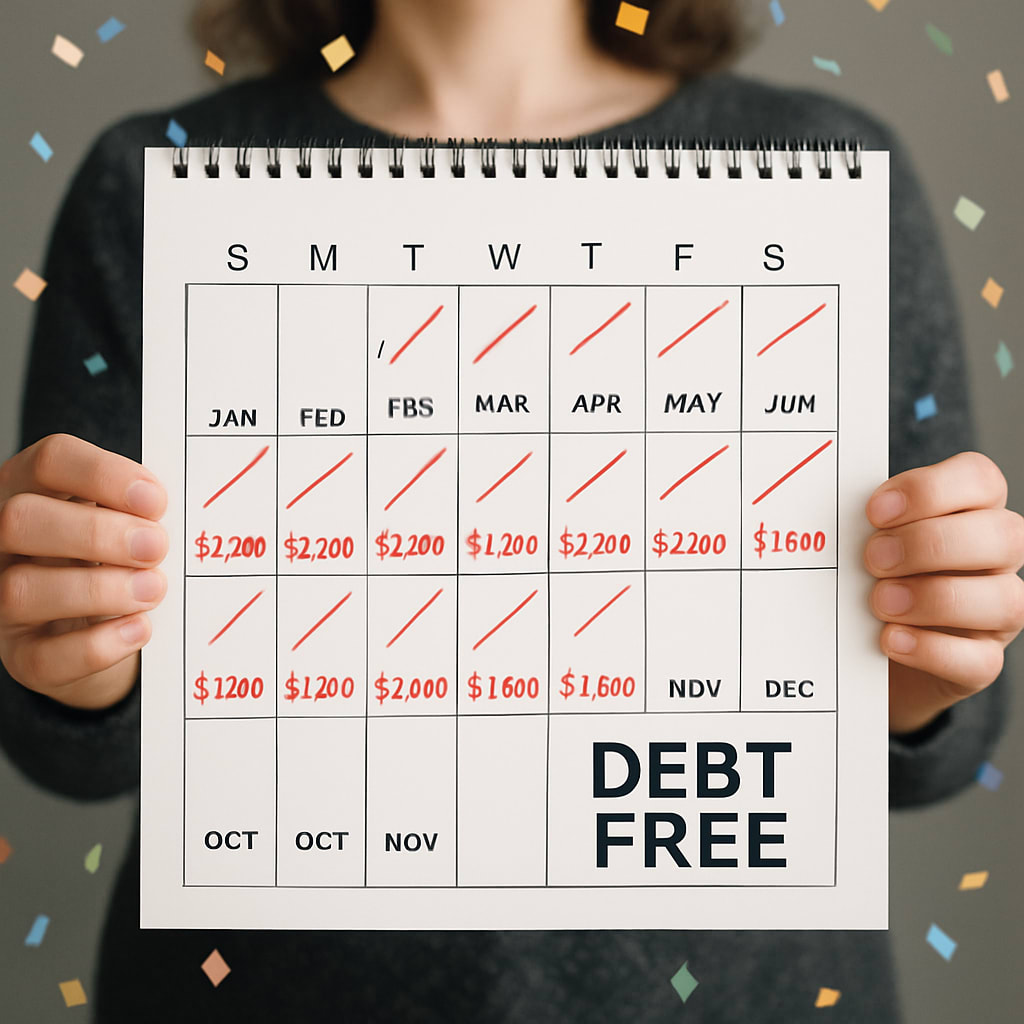
When Debt Became Too Heavy to Ignore
A year ago, I sat on the edge of my bed with my laptop open, staring at numbers that made my stomach drop. My student loan balance, credit card statements, and a few lingering bills added up to just over $20,000.
For months, I had been making minimum payments, hoping things would somehow work themselves out. But the numbers weren’t shrinking. In fact, with interest piling on, they were growing. It was a sobering realization: if I didn’t create a plan, I could be paying off this debt for the next decade.
That moment didn’t come with fireworks or dramatic music. It was quiet, even a little uncomfortable, but it was the push I needed to take action.
Facing the Numbers Honestly
The first step was simple but difficult: writing down everything I owed, along with interest rates and minimum payments.
My breakdown looked like this:
- Student loans: $12,000
- Credit card debt: $5,500
- Car loan and bills: $2,500
Total: $20,000
The exercise wasn’t just about math—it was about facing reality instead of avoiding it. Strangely enough, as overwhelming as it looked, seeing the full picture gave me clarity. I finally had something to work with.
Choosing a Strategy That Worked
I decided to use the avalanche method—paying off the highest-interest debt first while continuing to make minimum payments on everything else.
For me, that meant tackling the credit card balance before anything else. At nearly 20% interest, it was eating away at every payment I made. Once that was gone, I would redirect those payments to my student loans, then finally the car loan.
This structure gave me focus and allowed me to track progress in clear stages.
Building Extra Income Without Burning Out
One of the hardest parts of debt payoff is balancing the urgency to earn more with the need to rest. I knew I couldn’t work nonstop without consequences, so I looked for manageable ways to boost my income:
- Freelance writing: I wrote short articles for small businesses on weekends, which added about $300 monthly.
- Online tutoring: A couple of hours each evening brought in around $250 a month.
- Selling unused items: I cleared out old electronics and clothes through online marketplaces, making a few hundred dollars over several weeks.
None of these were overnight solutions, but combined, they added between $700 and $900 extra each month—enough to make a real difference without overwhelming me.
Cutting Costs Realistically
Extreme frugality wasn’t an option I wanted to pursue. Instead, I focused on small but impactful changes:
- Cooking at home more often saved roughly $150 per month.
- Canceling unused subscriptions freed up another $30.
- Moving in with a friend reduced my rent by $200 monthly.
Altogether, these choices gave me about $400 more each month to put toward debt—without feeling deprived or isolated.
Automating Progress
Once I determined how much I could pay each month, I set up automatic transfers for every payment. This removed the temptation to spend the money elsewhere and made the process consistent.
It wasn’t just about discipline; automation also relieved mental stress. I no longer had to debate whether I was “doing enough” each month—the system was already in place and moving forward.
Avoiding Burnout
Burnout was one of my biggest concerns when I started this journey. I’d read stories of people working multiple jobs and eating the same basic meals for months on end, and while their commitment was admirable, I knew I couldn’t sustain that level of intensity.
So I built balance into my plan:
- Rest days: At least one day a week with no extra work or financial planning.
- A small monthly “fun budget”: $60–$70 for guilt-free activities like a meal out or a movie.
- Perspective: Reminding myself that consistency, not perfection, was what mattered.
These simple steps kept me motivated without running myself into the ground.
Celebrating Small Milestones
Paying off $20,000 is a big goal, but it’s also easy to feel like you’re making no progress when you’re just looking at the final number.
To stay motivated, I celebrated smaller achievements along the way:
- After paying off my first $5,000, I treated myself to a nice dinner.
- When my credit card balance hit zero, I spent a weekend visiting friends.
These small rewards reminded me that financial progress doesn’t have to come at the expense of enjoying life.
The Day It Finally Ended
Twelve months after I started, I made my final student loan payment. There was no confetti or big announcement, just a quiet moment of relief.
For the first time in years, I wasn’t carrying debt. That freedom felt even better than I had imagined—not just because of the numbers, but because of what it represented: a year of steady effort, mindful decisions, and regained control over my future.
What I Learned
If I could share one takeaway from this journey, it’s that debt payoff doesn’t have to be extreme to be effective. You don’t need to work yourself into exhaustion or give up every enjoyable part of life.
- Start by facing your numbers. Clarity is the foundation for change.
- Choose a realistic strategy. Avalanche or snowball—whichever keeps you motivated.
- Build habits you can sustain. Small, consistent actions lead to lasting progress.
Life After Debt
Today, instead of scrambling to make minimum payments, I’m able to put money toward savings and an emergency fund. The weight that once hovered over every decision is gone.
Clearing debt didn’t just improve my finances—it gave me room to breathe, to plan, and to build toward something better without feeling trapped.
About the Creator
Keep reading
More stories from Inzamam Ul Haq and writers in Lifehack and other communities.
The Year I Stopped Saying “Yes” to Everything
The Constant “Yes” For years, I was the person who never said no. If a coworker asked me to stay late, I said yes. If a friend needed a favor, I said yes—even if I was running on fumes. When my family asked me to handle one more responsibility, I nodded and told myself I’d figure it out.
By Inzamam Ul Haq7 months ago in Lifehack
How to Recover Your Instagram Account: The Complete 2026 Guide
Losing access to your Instagram account can feel like being locked out of a digital life. With billions of users and accounts increasingly targeted by hackers, knowing exactly how to react is crucial. Whether you’ve been hacked, forgotten your password, or had your account disabled, this comprehensive guide walks you through every official recovery method. We base our advice on Instagram's official help resources and cybersecurity experts to ensure you can regain access quickly and secure your profile for the future.
By Alexander Hoffmann3 days ago in Lifehack
Top 10 Side Effects of Chia Seeds You Should Know
Chia seeds have gained huge popularity in recent years as a superfood. From smoothies and puddings to salads and oatmeal, these tiny seeds are often praised for their high fiber, omega-3 fatty acids, and protein content. Many people include them in their daily diet to support weight loss, digestion, and overall health.
By Veronica Bennett6 days ago in Lifehack
Why Didn't Anyone Tell Us
Men, move along. This is not for you. This is for the women. I was forty-five when I began menopause. It is pretty young for that to be going on in a woman’s life, but I had undiagnosed PCOS, my entire life. Thank you to all the gynecologists I had seen my entire life. That in itself should encourage women to keep seeking second opinions, especially when you are not getting correct answers or any at all.
By Alexandra Grant6 days ago in Humans


Comments
There are no comments for this story
Be the first to respond and start the conversation.