
How Functional Exercises Help Rebuild Strength After a Stroke
A stroke can drastically affect your strength, mobility, and ability to perform everyday tasks. Simple actions like getting out of bed, standing up from a chair, or even drinking from a cup can become difficult. However, with the right rehabilitation plan, especially functional exercises in Mississauga, you can begin to rebuild strength and restore independence. Functional exercises focus on improving the movements you use every day, helping you recover faster and with more lasting results.

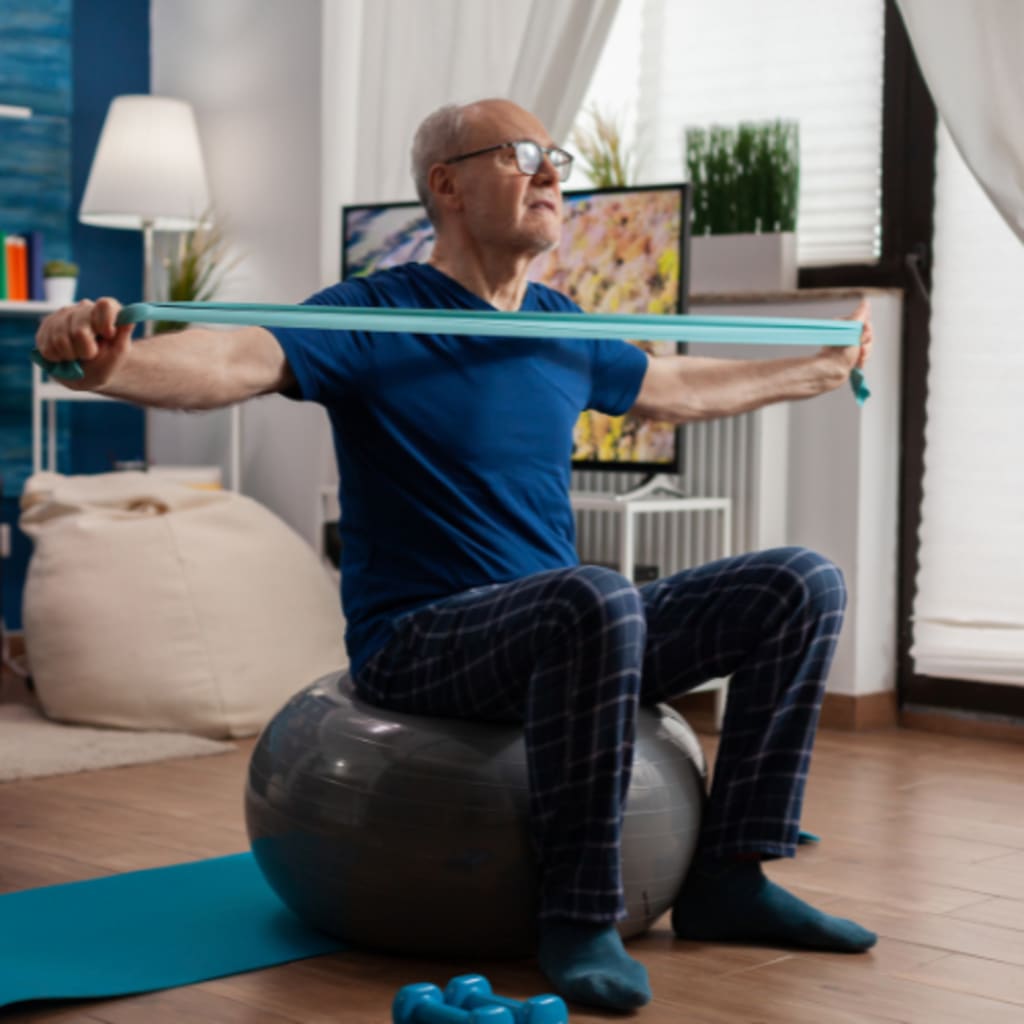
Why Functional Exercises Are Key After a Stroke
After a stroke, your brain and body need time to recover and rebuild. Functional exercises target the muscles, joints, and movements that are necessary for daily activities. This type of exercise goes beyond traditional strength training by mimicking real-life movements, which makes it more effective in helping stroke survivors regain their independence.
A physiotherapist in Mississauga can design a program tailored to your specific needs. They will focus on increasing your strength, flexibility, and balance through simple, repetitive exercises that directly relate to actions you perform every day.
How Functional Exercises Help Rebuild Strength
Targeting Key Muscle Groups
Stroke can weaken certain muscle groups, especially on one side of the body. Functional exercises are designed to strengthen muscles like the glutes, hamstrings, arms, and core—critical areas that help you perform basic movements like standing, walking, and lifting.
Improving Coordination and Balance
One of the biggest challenges after a stroke is the loss of coordination and balance. Functional exercises can help you reestablish your balance by engaging different muscle groups simultaneously. This practice improves your body's ability to respond and adapt to movements, making it easier to carry out tasks like walking or sitting down without assistance.
Encouraging Task-Oriented Movements
Functional exercises Mississauga focus on the specific movements you need to do daily, making them directly relevant to your recovery. Exercises like standing from a chair or lifting a cup help you practice skills that will make a real difference in your day-to-day life.
Simple Functional Exercises to Get Started
Scooting in Bed (Bridges)
How it helps: Moving from one part of the bed to another is often a challenge after a stroke. This exercise strengthens your glutes, abs, and hip flexors, helping you gain control over your movements.
How to do it: Lie on your back with your knees bent and feet close to your hips. Lift your hips off the bed and shift them laterally toward the edge of the bed. Lower your hips back down and repeat.
Increase the effort: Move the foot on your weaker side closer to your buttocks.
Standing Up From Bed (Squats)
How it helps: Getting out of bed can be tough post-stroke. This exercise strengthens the glutes, hamstrings, and quads, improving your ability to rise from a seated position.
How to do it: Sit at the edge of the bed with your feet flat on the floor. Without using your hands, lean forward and press your feet into the floor to stand up. Lower yourself back down and repeat.
Increase the effort: Move the foot on your weaker side under the bed to challenge your muscles more.
Pushing Up from a Chair (Tricep Dips)
How it helps: Pushing yourself up from a chair requires arm strength, which may be compromised after a stroke. This exercise targets your triceps, deltoids, and back muscles.
How to do it: Sit at the edge of a chair with armrests. Place your feet flat on the floor, press your hands into the armrests, and lift yourself into a standing position. Slowly lower back into a seated position and repeat.
Increase the effort: Shift more weight into your arms to use them more than your legs.
Lifting a Cup (Bicep Curls)
How it helps: Simple tasks like drinking from a cup may be difficult if you’ve lost dexterity in your fingers. This exercise strengthens the biceps, triceps, wrists, and finger flexors, helping you regain control.
How to do it: While sitting, hold a cup with both hands. Lift the cup to your mouth as if to drink, and then lower it back down. Repeat this motion to build strength in your arms.
Increase the effort: Add weight or water to the cup for a more challenging workout.
Walking
How it helps: Walking is one of the most important movements to regain after a stroke. It improves muscle tone, coordination, and cardiovascular fitness. It also keeps you active and prevents stiffness.
How to do it: Walk at a moderate pace, focusing on lifting your foot from the hip and placing the heel down first. Push off from the ball of your foot to take the next step.
Increase the effort: Walk on uneven terrain or uphill to challenge your muscles more.
The Role of Physiotherapy in Stroke Recovery
Physiotherapy in Mississauga can provide structured support through each of these exercises. Your physiotherapist will monitor your progress, adjusting exercises as your strength improves. They will also guide you on proper form to avoid injury and ensure you’re getting the maximum benefit from each movement.
In addition to these functional exercises, physiotherapists will focus on improving your range of motion, reducing muscle tightness, and enhancing your overall physical endurance. They might also introduce techniques like manual therapy or stretching to complement your exercise routine.
Final Words
Recovering from a stroke is challenging, but with the right functional exercises, you can rebuild your strength and regain the independence you once had. Starting with simple, task-oriented exercises can help you perform everyday actions with ease. If you’re in Mississauga and need guidance on your recovery journey, consulting physiotherapists in Mississauga can help you create a personalized rehabilitation plan focused on rebuilding strength and improving quality of life.
With determination, patience, and the right exercises, you can overcome the physical limitations caused by a stroke and move forward to a healthier, more active lifestyle.
About the Creator
Lola Gold Finch
Lola Gold is a seasoned content writer specializing in lifestyle, health, technology, crypto, and business. She creates clear, well-researched content that simplifies complex topics and delivers meaningful value to readers.
Keep reading
More stories from Lola Gold Finch and writers in Lifehack and other communities.
Building the Perfect Lounge Area for Relaxation and Hobbies
Start with Comfort: Why a Chaise Lounge Sofa is Key The foundation of any great lounge area begins with comfort, and there’s no better piece of furniture for relaxation than a chaise lounge sofa. Designed to give you the freedom to stretch out and lounge, it’s perfect for those lazy afternoons or evenings when you just want to unwind. Whether you prefer curling up with a book or watching a movie, the chaise lounge sofa offers ample space to relax.
By Lola Gold Finch7 months ago in Lifehack
Why More Parents Are Choosing Organic Baby Clothes (and What It Means for the Future of Childhood)
Parenthood has a way of changing how we see the world — especially the small, everyday choices that quietly shape our children’s lives. From the food they eat to the toys they play with and the clothes that touch their skin, many parents today are looking beyond convenience and price tags and asking a deeper question: What’s actually best for my child in the long run?
By Car Detail Calgaryabout 9 hours ago in Lifehack



Comments