
How Extreme Weather Conditions Affect Car Longevity
How Extreme Weather Conditions Affect Car Longevity

Why Weather Conditions Matter More Than You Think
Most drivers don't realize how much weather can affect the condition of their car. Whether you're facing scorching summers, freezing winters, or humid, rainy seasons, each climate takes a toll on your vehicle in different ways. Over time, exposure to extreme weather can reduce your car's performance, cause premature wear, and ultimately shorten its lifespan.
The impact isn't always obvious at first, but consistent exposure to the elements adds up quickly. Knowing how weather affects your vehicle is the first step toward protecting your investment and avoiding costly repairs. It also helps you make smarter decisions when buying, maintaining, or storing your car.
The Effects Of Heat On Car Components
Hot weather can be brutal on a car’s systems. High temperatures cause engine fluids like oil and coolant to break down faster, which reduces their effectiveness in lubricating and cooling vital engine parts. This can lead to overheating, engine damage, or complete failure if not addressed. The battery is also vulnerable excessive heat accelerates chemical reactions inside the battery, which shortens its lifespan. Rubber components such as belts and hoses dry out and crack more easily in extreme heat, increasing the risk of sudden breakdowns.
Even your tires are at risk, as hot roads cause tire pressure to rise, potentially leading to blowouts if they’re not properly inflated. In addition, heat can warp brake rotors, fade interior upholstery, and damage electronic components. If your car is constantly parked in the sun, the dashboard and leather seats may start to crack or fade over time. Replacing these components can be expensive, but preventive steps like tinting windows, using sunshades, and regularly conditioning leather can help reduce damage and keep your car looking and performing well.
The Hidden Dangers Of Cold Weather
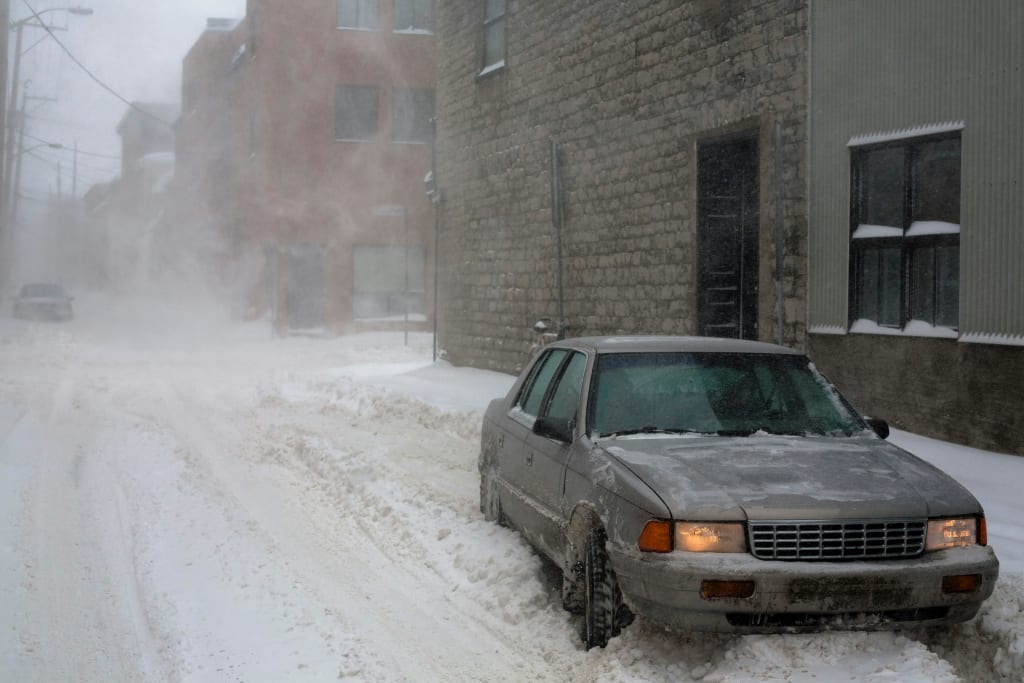
On the opposite end of the spectrum, freezing temperatures can be just as damaging. Cold weather thickens engine oil, making it harder for the engine to turn over, which can cause additional wear during startup. Batteries also struggle in the cold, as their capacity to hold a charge drops significantly in low temperatures. Salt used on icy roads is another major concern—it accelerates rust and corrosion, especially on the undercarriage and brake components. This type of damage is often gradual and hard to spot until it becomes a serious issue.
In addition to mechanical problems, cold weather also affects safety systems. Windshield wipers can freeze to the glass, washer fluid may solidify, and tire pressure tends to drop in low temperatures, reducing traction and increasing the risk of accidents. Drivers who live in colder regions should also be aware of how antifreeze and transmission fluid react to frigid conditions. If these fluids aren't properly maintained or winter-rated, they can freeze or thicken, leading to sluggish performance and potential system failure. Snow and ice accumulation around the wheels, underbody, and exhaust system can also lead to mechanical issues if not cleared promptly.
Humidity And Moisture Lead To Corrosion
Living in a humid or rainy environment exposes your car to constant moisture, which creates the perfect conditions for rust. Moisture seeps into small cracks and crevices, starting the rusting process in hidden areas like door sills, wheel wells, and the frame. Electrical systems can also suffer, as moisture increases the risk of short circuits and corrosion in wiring connections.
If a vehicle isn’t properly protected, the combination of humidity and poor drainage can lead to major repairs down the line. Mold and mildew are another concern in humid climates. If moisture gets into your cabin and isn’t dried quickly, it can cause foul odors, discoloration, and damage to upholstery and carpeting. Sunroofs and air conditioning systems, if not properly maintained, can also trap moisture that encourages mold growth. Over time, this affects not only comfort but also air quality inside your vehicle. Vehicles that are frequently exposed to standing water, coastal air, or heavy rainfall should be inspected regularly to catch rust or water damage before it spreads.
How To Protect Your Car From Weather-Related Damage
Fortunately, there are several practical steps you can take to protect your car in any climate. Regular maintenance is key—check fluid levels, replace worn parts, and keep your battery tested and charged. In hot weather, park in the shade or use a sunshade to protect your interior. Consider having your car's cooling system inspected before peak summer months to avoid overheating. During the winter, consider using an engine block heater to help with cold starts and wash your car regularly to remove salt buildup. If your vehicle has already suffered significant weather-related wear and tear, it might be more practical to explore options like cash for cars Sydney, where you can sell your old or damaged car quickly and put the funds toward something more reliable and weather-ready.
Make sure to top up on winter-grade fluids and replace wiper blades with winter-specific versions. If you live in a humid area, keep your car clean and waxed, and consider rust-proofing treatments to prevent corrosion. Garaging your vehicle whenever possible provides year-round protection from the elements. If a garage isn’t available, using a high-quality car cover can shield your vehicle from sun, rain, and ice. Don’t forget to inspect weather seals around windows and doors to prevent leaks. Investing in undercoating, frequent inspections, and preventive detailing can go a long way in preserving your car’s appearance and performance.
Long-Term Benefits Of Weather Awareness
Being aware of how weather affects your vehicle allows you to plan ahead and take preventive measures. These small efforts can add years to your car’s life and help you avoid unexpected repair bills. Whether you drive a compact city car or a full-size SUV, understanding the environmental stress your car faces is essential for long-term reliability. It also increases the resale value of your vehicle, as potential buyers are more likely to trust a car that’s been well cared for in harsh climates. A proactive approach to weather-related maintenance helps you stay safe on the road, avoid major breakdowns, and save money in the long run. While you can’t control the weather, you can control how well your car stands up to it.
Written By: Cash For Car NSW
Address: Cash For Cars Sydney
About the Creator
Cash For Cars NSW
Cash for Cars NSW is a reputable car removal company based in Sydney, specialising in providing top-dollar cash for unwanted cars services to residents and businesses across the city.
Keep reading
More stories from Cash For Cars NSW and writers in Lifehack and other communities.
Why Hydrogen Cars May Change the Scrap Car Industry
The automotive industry is undergoing a major transformation as manufacturers explore alternatives to traditional gasoline and diesel engines. Among these alternatives, hydrogen fuel cell vehicles (FCVs) are gaining attention. While electric vehicles (EVs) currently dominate the conversation, hydrogen-powered cars offer unique benefits that could reshape the automotive sector—including the scrap car industry. But how exactly will hydrogen vehicles impact auto recycling, and what challenges might arise?
By Cash For Cars NSW11 months ago in Lifehack
Understanding Life in North Potomac, Maryland: Culture, Planning, and Everyday Transitions
North Potomac, Maryland, is often described as a quiet suburban community, but daily life here is shaped by more than calm streets and residential neighborhoods. The area has developed a culture rooted in organization, respect for shared spaces, and long-term planning. These values influence how residents interact, manage their homes, and handle major life changes such as relocating within or into the community.
By House Doctorabout 17 hours ago in Lifehack
Is It Better To Eat Protein Before Or After A Workout? How To Optimize Your Intake For Muscle Growth
If you've given WH's protein challenge a go, you know how important this macro is to your health and fitness goals and a strong training sesh. But does it matter when, exactly, you get some protein in around your workouts impact muscle growth?
By Dena Falken Esq7 days ago in Lifehack


Comments
There are no comments for this story
Be the first to respond and start the conversation.