
How do I reduce a hair loss problem and increase hair growth?
Finding the Best Treatment for Hair Loss

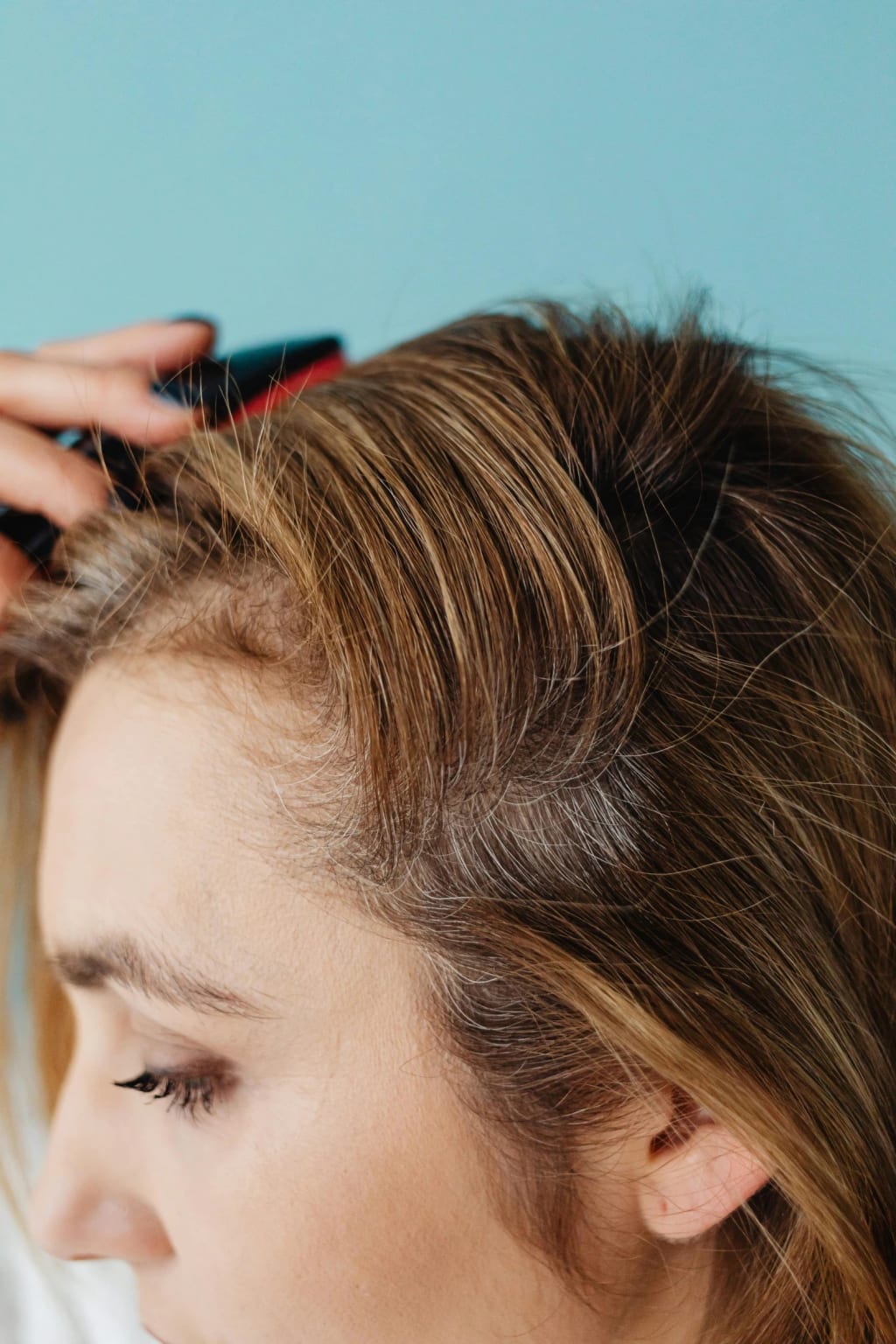
Hair loss can be a frustrating experience, and tackling it effectively often requires a multi-faceted approach. Here’s a comprehensive guide to help you manage hair loss and promote hair growth:
1. Understand the Cause
Before jumping into solutions, it's crucial to identify the underlying cause of hair loss. Common factors include:
Genetics: Hereditary patterns can lead to androgenetic alopecia (male or female pattern baldness).
Hormonal Changes: Conditions like thyroid issues, pregnancy, or menopause can affect hair health.
Nutritional Deficiencies: Lack of essential vitamins and minerals can contribute to hair loss.
Stress: High levels of stress can lead to telogen effluvium, where hair falls out prematurely.
Medical Conditions: Diseases like autoimmune disorders or chronic illnesses can impact hair growth.
Consulting with a healthcare provider or dermatologist can help pinpoint the cause and tailor your treatment plan.
2. Adopt a Healthy Diet
Nutrition plays a key role in maintaining healthy hair. Here’s what you should include:
Protein: Hair is primarily made of keratin, a type of protein. Include lean meats, fish, eggs, and legumes in your diet.
Iron: Low iron levels can lead to hair loss. Incorporate spinach, lentils, and red meat.
Vitamins: Vitamins A, C, D, and E support hair health. Eat fruits, vegetables, and nuts to get a balanced intake.
Omega-3 Fatty Acids: Found in fish, flaxseeds, and walnuts, these can nourish your hair.
Biotin: This B-vitamin is linked to hair growth. You can find it in eggs, nuts, and whole grains.
3. Maintain Scalp Health
A healthy scalp is crucial for hair growth:
Regular Cleansing: Use a gentle shampoo to keep your scalp clean, but don’t over-wash as it can strip natural oils.
Exfoliation: Use a scalp scrub or treatment to remove dead skin cells and promote circulation.
Moisturize: If you have a dry scalp, use conditioning treatments or oils like coconut or argan oil.
4. Be Gentle with Your Hair
How you handle your hair can make a big difference:
Avoid Excessive Heat: Minimize the use of hair dryers, straighteners, and curling irons.
Use a Wide-Tooth Comb: This helps prevent breakage when detangling wet hair.
Avoid Tight Hairstyles: Styles like tight ponytails or braids can cause traction alopecia, leading to hair loss.
5. Consider Topical Treatments
Several over-the-counter treatments can be effective:
Minoxidil (Rogaine): This topical treatment is applied directly to the scalp and can help stimulate hair growth.
Finasteride (Propecia): An oral prescription medication that can help reduce hair loss in men by inhibiting the hormone DHT. i.e. Locerin
6. Explore Natural Remedies
Some people find natural remedies beneficial:
Essential Oils: Oils like rosemary or peppermint may promote hair growth when massaged into the scalp.
Aloe Vera: Known for its soothing properties, it can reduce scalp inflammation and promote healthy hair growth.
7. Manage Stress
Stress management is vital for overall health and can impact hair loss:
Exercise: Regular physical activity can help reduce stress.
Mindfulness and Meditation: Techniques like yoga or meditation can improve mental well-being.
Adequate Sleep: Ensure you get enough rest to help your body repair and grow.
8. Consider Medical Treatments
If lifestyle changes and over-the-counter treatments don’t yield results, consult with a specialist:
Hair Transplants: Surgical options like follicular unit transplantation (FUT) or follicular unit extraction (FUE) can be considered for more severe cases.
PRP Therapy: Platelet-rich plasma (PRP) treatments involve injecting your own blood components into the scalp to stimulate hair follicles.
9. Regular Check-Ups
Keep up with regular medical check-ups to monitor any underlying health conditions that might affect hair growth.
10. Be Patient
Hair growth is a slow process. It can take several months to see noticeable improvements, so be patient and consistent with your regimen.
By combining these strategies and staying committed to a comprehensive approach, you can effectively manage hair loss and promote healthier hair growth.
As Recommended, Best Treatment for Hair Loss
About the Creator
Alexander Agnes
Patient-Oriented medical practitioner with Experience of working with High-Risk Patients for 10+ Years. With a proven track record of meeting tough targets, aspiring to contribute to the Welfare of all individual in need.
Keep reading
More stories from writers in Lifehack and other communities.
Why Noise-Cancelling Headphones Are Essential for Remote Work
Remote work has changed the way people experience their workday. While working from home offers flexibility and comfort, it also introduces new challenges — one of the biggest being noise. From traffic sounds and construction to conversations at home, background noise can quickly disrupt focus and reduce productivity.
By Bahati Mulishi4 days ago in Lifehack
The Price Tag on a Clean Conscience
The Price Tag on a Clean Conscience Arman sat by the dusty window of his small office, staring at the rain streaking down the glass. The city outside seemed to reflect the turmoil inside him—gray, chaotic, and restless. For months, he had been struggling with a moral decision that gnawed at his heart. He had always prided himself on living with integrity, but now, temptation had knocked on his door, and the stakes were high.
By Samaan Ahmadabout 2 hours ago in Lifehack
Our Song
Evening has given way to night. Gently, I settle next to you on the comfortable, old love seat and reach for your hand. You snatch it away, again. It cuts me to the quick, but I hide the pain, understanding that the reaction is but part of your demented state. Since the accident, your presence here in our cozy home has been clouded by a haze I can't see. Nevertheless, I feel the frigidity of your expressions and it serves as an excruciating reminder of the immeasurable distance between us.
By Dana Crandell4 days ago in Fiction
The Angry Man in Your House
"If you grow up with an angry man in your house, there will always be an angry man in your house" This statement has caused plenty of controversy online, people say its a statement that blames victims while also undermining those who break traumatic cycles to form health relationships... but if I'm honest now that I'm in my 30s it makes more sense to me than ever, and I'd argue that its not just about fathers and uncles.
By S. A. Crawfordabout 20 hours ago in Humans



Comments (1)
Well detailed analysis