
How Deep Cleaning Helps Eliminate Allergens and Germs
Let’s break down how deep cleaning can help get rid of the things that make you sick.

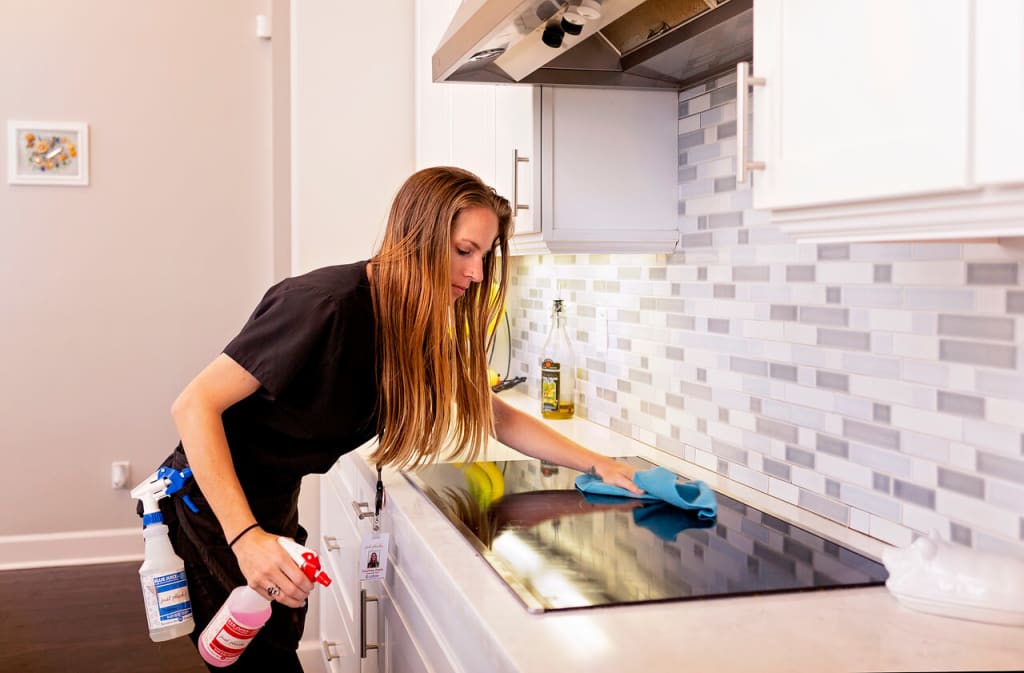
Have you ever walked into a room and started sneezing or felt like your nose was stuffy for no reason? If so, there might be hidden allergens or germs around you. They can live in your home even if it looks clean. That’s where deep cleaning services come in. Deep cleaning goes way beyond everyday tidying. It removes dirt, dust, and bacteria that regular cleaning might miss—and it can help you breathe easier and feel better every day.
What Are Allergens and Germs?
Allergens are tiny particles that cause allergic reactions in some people. These can include:
- Dust mites
- Pollen
- Pet dander (skin flakes from cats and dogs)
- Mold spores
Germs are tiny organisms—like bacteria and viruses—that can make you sick. Some germs cause the common cold, the flu, or even stomach bugs. You can’t see them, but they can live on your kitchen counters, doorknobs, and bathroom sinks.
When these things build up in your home, they can cause sneezing, coughing, runny noses, itchy eyes, and even worse health problems for people with asthma or allergies.
Why Regular Cleaning Isn't Enough
Most people do a quick clean—vacuum, wipe down surfaces, maybe clean the bathroom sink—but this doesn’t always remove hidden allergens and germs.
Some of the places that get missed during regular cleaning include:
- Under and behind furniture
- Inside air vents
- Ceiling fans and light fixtures
- Deep inside carpets and rugs
- Mattress surfaces and upholstery
These hidden spots are where allergens and germs love to hide. You may not see them, but they’re there—and they can affect your health.
What Is Deep Cleaning?
Deep cleaning means going further than your regular routine. It includes cleaning places that are usually ignored and using strong (but safe) products that kill germs and remove allergens.
- Deep cleaning services often include:
- Scrubbing baseboards, walls, and corners
- Washing windows and blinds
- Cleaning inside appliances (fridge, oven, microwave)
- Shampooing carpets and rugs
- Vacuuming and steaming furniture
- Disinfecting high-touch areas like light switches and doorknobs
- Cleaning air vents and fans
This kind of cleaning gives your home a fresh start and helps make the air cleaner and healthier.
How Deep Cleaning Removes Allergens
1. Dust and Dust Mites
Dust is one of the most common indoor allergens. Dust mites are tiny bugs that live in dust and feed on skin flakes. You can’t see them, but they can cause sneezing, itchy eyes, and asthma attacks.
Deep cleaning helps by:
- Vacuuming with HEPA filters that trap tiny dust particles
- Washing or replacing old bedding, curtains, and rugs
- Dusting hard-to-reach places like tops of cabinets and light fixtures
- Cleaning inside furniture and under beds
2. Pet Dander
Even if you love your pets, their hair and skin flakes can cause allergies. Pet dander can stick to carpets, couches, and clothes.
Deep cleaning helps by:
- Using steam cleaners to clean furniture and rugs
- Vacuuming and mopping floors thoroughly
- Wiping down walls and baseboards where fur collects
- Cleaning air filters that trap pet particles
3. Mold and Mildew
Mold grows in damp places like bathrooms, basements, and around windows. Mold spores float in the air and can cause serious health problems.
Deep cleaning helps by:
- Scrubbing tile, grout, and tubs with mold-killing cleaners
- Checking behind furniture and in corners for hidden moisture
- Using dehumidifiers in damp areas
- Cleaning windows and wiping away condensation
4. Pollen
Pollen can get into your home through open windows or on your clothes and shoes. It can settle on surfaces and in your carpets.
- Deep cleaning helps by:
- Washing curtains and dusting blinds
- Cleaning air vents and filters
- Vacuuming floors and furniture regularly
- Keeping windows closed during high pollen seasons
How Deep Cleaning Gets Rid of Germs
1. Disinfecting High-Touch Surfaces
Germs love to live on things we touch all the time—light switches, phones, doorknobs, and remote controls.
Deep cleaning helps by:
- Using disinfectant wipes or sprays to clean these spots
- Sanitizing bathroom and kitchen surfaces
- Washing children’s toys and pet bowls
2. Cleaning Kitchen Appliances
The kitchen can be full of germs from raw meat, spills, and food scraps.
Deep cleaning helps by:
- Wiping down inside the fridge, oven, and microwave
- Cleaning cutting boards and counters
- Washing cabinet handles and trash bins
3. Freshening Up Bathrooms
Bathrooms are a hot spot for germs and bacteria.
Deep cleaning helps by:
- Scrubbing toilets, sinks, and bathtubs
- Cleaning under and behind the toilet
- Disinfecting faucets, toothbrush holders, and tile walls
How Often Should You Deep Clean?
You don’t need to deep clean every week. But doing it on a regular schedule helps keep allergens and germs from building up. Here’s a simple guide:
- Every 3–6 months: Do a full deep clean of your home
- Monthly: Clean air vents and dust blinds
- Weekly: Disinfect high-touch surfaces and vacuum furniture
You can also hire deep cleaning services once a season or before and after special events or holidays.
Tips to Keep Allergens and Germs Away
Between deep cleans, try these tips to keep your home healthier:
Remove shoes at the door to keep outside dirt out
- Use an air purifier in bedrooms or living areas
- Wash bedding and blankets weekly
- Keep pets brushed and bathed
- Use fragrance-free, non-toxic cleaning products
- Open windows for fresh air when weather allows
Final Thoughts
Deep cleaning isn’t just about making your house look good—it helps you feel good too. By removing dust, mold, germs, and allergens, you’re creating a cleaner, safer place for you and your family. Whether you do it yourself or use deep cleaning services, the results are worth it.
A healthy home starts with a clean space. So, if it’s been a while since your last deep clean, now is the perfect time to tackle those hidden germs and allergens—and breathe a little easier.
About the Creator
Keep reading
More stories from writers in Lifehack and other communities.
Why Your Gut Health Affects Your Weight Loss Results
You've been eating right and exercising regularly, but the scale won't budge. Your gut health might be the missing piece of your weight loss puzzle. The trillions of bacteria living in your digestive system control hunger hormones, influence how your body stores fat, and determine whether you burn calories efficiently or hold onto stubborn weight.
By LaMarion Zieglerabout 22 hours ago in Lifehack
🅼🅸🅳🅽🅸🅶🅷🆃 🆂🅽🅰🅲🅺🆂
"It's 10 in Tuscon! We all know what that means... It's Time for Midnight Snacks with your man, Gerald Gee! Ready to spend the night together? Me too! I'm full of snacks and can't wait to regurgitate them all back into your hungry ears. Crack a brew! Pop some corn! Anything to get ready for one hell of a show where the talk maybe cheap but the words cut deep...
By Lamar Wiggins8 days ago in Fiction


Comments
There are no comments for this story
Be the first to respond and start the conversation.