
How Companies Hide Sugar in Sugar-Free Food
and How to Avoid it?

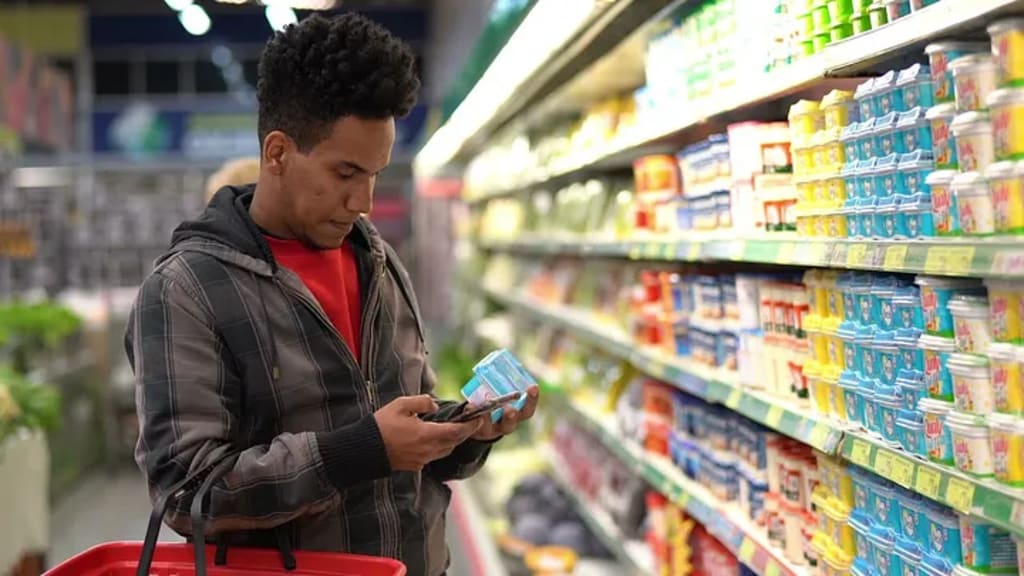
Sugar-free food has been gaining popularity in recent years as more and more people become aware of the negative effects of consuming too much sugar. From weight gain to diabetes, the risks of a high-sugar diet have been well-documented. However, it's important to note that not all "sugar-free" foods are created equal. Just because a product is labeled as sugar-free doesn't mean it's free of all forms of sugar.
In fact, many food companies use various tactics to hide sugar in their sugar-free products. They may replace sugar with artificial sweeteners or other sugar alcohols, but these can still have an impact on blood sugar levels and cause digestive issues in some people. Additionally, some companies may use tricky labeling practices, such as using terms like "natural sweeteners" or "fruit juice concentrates" to make their products appear healthier than they actually are.
It's important to read ingredient labels carefully when selecting sugar-free products. Look for products that are sweetened with natural sweeteners like stevia or monk fruit, or those that use minimal amounts of sugar alcohols like erythritol or xylitol. These sweeteners are generally considered safe and don't have as much of an impact on blood sugar levels as traditional sugar or artificial sweeteners.
Alternative Sweetners
One of the most common ways that companies hide sugar in sugar-free food is by using alternative sweeteners. These sweeteners, such as aspartame, saccharin, and sucralose, are often used in place of sugar to sweeten food without adding calories. However, these sweeteners are not without their own health concerns and can be just as harmful as sugar in large quantities.
2. Sugar Alcohols
Another tactic that companies use to hide sugar in sugar-free food is by using sugar alcohols. These are a type of carbohydrate that is not completely absorbed by the body, which means that they do not contribute to blood sugar levels. However, they can still have a negative impact on health and can cause digestive issues in some people.
3. High Sugar Ingredients
Companies also use other ingredients that are high in sugar but are not required to be labeled as such. These include fruit juice concentrates, honey, and maple syrup. These ingredients may not be listed as “sugar” on the label, but they still contribute to the overall sugar content of the product.
4. Different Names for Sugar
Another tactic companies use is by using a variety of names for sugar, for example, glucose, fructose, dextrose, maltose, etc. This makes it difficult for consumers to identify the sugar content of a product just by looking at the ingredient list.
5. Small Mix of Sugar
Another way that companies hide sugar in sugar-free food is by using small amounts of sugar in combination with other sweeteners. This allows them to label the product as “sugar-free” while still providing some sweetness to the product.
To make matters worse, many companies use misleading marketing tactics to promote their sugar-free products. They may use phrases such as “low-sugar” or “reduced-sugar” to give the impression that the product is healthier than it actually is.
The bottom line is that just because a product is labeled as “sugar-free” does not necessarily mean that it is free from all forms of sugar. Consumers need to be vigilant and read ingredient lists carefully to ensure that they are not being misled. Additionally, it’s always best to opt for whole, unprocessed foods that do not require labels.
In conclusion, companies use various tactics to hide sugar in sugar-free food such as using alternative sweeteners, sugar alcohols, ingredients that are high in sugar but are not required to be labeled as such, different names for sugar, small amounts of sugar in combination with other sweeteners, and misleading marketing tactics. Consumers need to be vigilant and read ingredient lists carefully to ensure they are not being misled and to make informed choices about the food they consume.
About the Creator
Bilal Zafar
Hey there! I have a strong passion for writing and creating engaging content that not only informs but also entertains readers.
Keep reading
More stories from Bilal Zafar and writers in Lifehack and other communities.
Which Products to Sell on Amazon
Selling products on Amazon can be an incredibly lucrative business opportunity. However, with so many options available, it can be difficult to decide which products to sell. It's important to choose products that have a high demand, offer a good profit margin, and are relatively easy to source.
By Bilal Zafar3 years ago in Journal
You're alone, because you're lost
Being alone is a fear that one in three adults face WORLDWIDE. Why? Are we scared to be alone because we are faced with all of our thoughts we once tried to suppress? Or are we scared because we feel uncomfortable? Uncomfortable with the idea of being in a room with just you. You and your nasty thoughts. Thoughts like “Damn I should've apologized”, or “Why hasn't he texted me back?” or “I am a failure”. Yea. those thoughts. The forbidden thoughts that come sneak by the midnight hour, ...if you're lucky. You see loneliness doesn't have to be this way. It all starts with you.
By C⃣ h⃣ a⃣ n⃣ e⃣ l⃣6 days ago in Lifehack
Top tipple tricks
Been thinking a lot about drinking, lately. Not least because of a recent episode of over-indulgence and the inevitable after effects. Some readers may recall the earlier articles I wrote about beating the booze. Here I set out an experiment in techniques for cutting down on my alcohol intake. The experiment was successful, the techniques worked, and I have armed myself with an arsenal of weapons in the war against the demon drink. I have yet to fire the first round however. It's all a question of timing (perhaps procrastination).
By Raymond G. Taylor5 days ago in Psyche




Comments
There are no comments for this story
Be the first to respond and start the conversation.