
How Cologne Is Made: From Raw Ingredients to the Final Bottle
From carefully selected raw ingredients to precise blending and bottling, explore the complete cologne-making process that transforms fragrances into finished, market-ready scents.

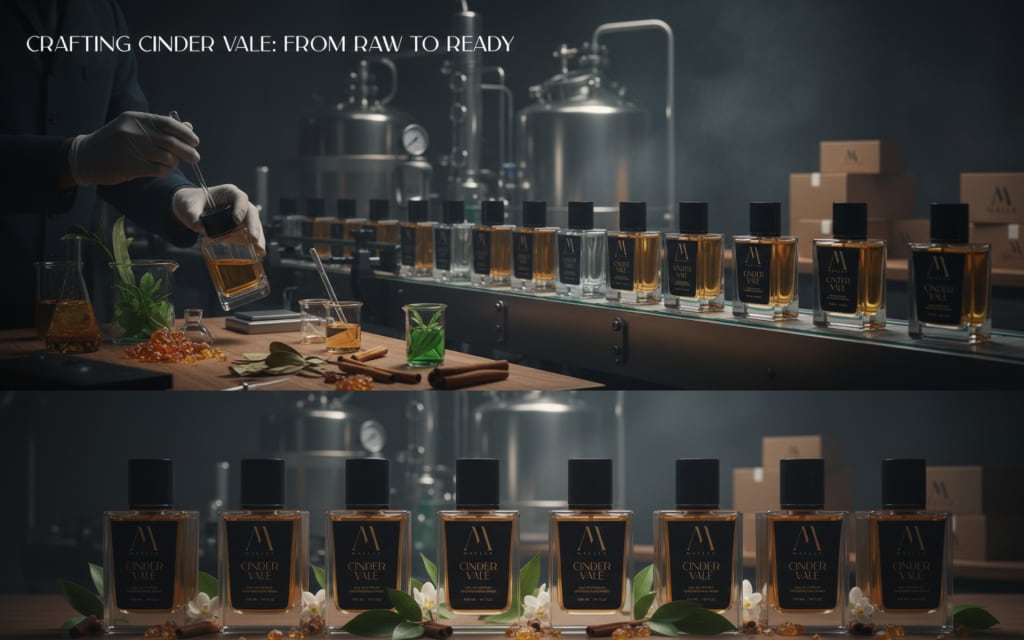
Have you ever wondered why some colognes smell fresh and light, while others feel deep and long-lasting? The answer lies in how cologne is made. Behind every bottle sits a careful process that blends art, chemistry, and time. Understanding this process helps you appreciate what you wear and why different fragrances perform the way they do.
What Is Cologne?
Cologne is a type of fragrance made by mixing fragrance oils with alcohol and water. It contains a lower concentration of fragrance oils compared to stronger perfumes, which makes it lighter and easier to wear every day. This balance gives cologne its refreshing character while still allowing the scent to develop on the skin.
Key Ingredients Used in Cologne
Fragrance Oils
Fragrance oils give cologne its smell. Perfumers create these oils using natural ingredients such as flowers, woods, spices, and resins, along with synthetic aroma molecules. Synthetic elements help improve consistency and stability, while natural materials add warmth and complexity.
Many modern fragrance houses, such as Maelle Perfume, focus on selecting and balancing these oils carefully so the scent feels smooth rather than harsh.
Alcohol
Alcohol acts as the carrier for the fragrance. It helps disperse the scent when applied and allows the notes to open up over time. High-quality perfumery alcohol evaporates cleanly, which keeps the fragrance clear and wearable.
Water
Purified water softens the blend. It helps round out the scent and improves how it feels on the skin.
Fixatives
Fixatives slow down evaporation. They help base notes last longer and keep the fragrance balanced from first spray to dry-down.
How Perfume Notes Are Created
Cologne relies on a structure called fragrance notes. These notes unfold in stages:
- Top notes appear first. They smell light and fresh but fade quickly.
- Middle notes form the heart of the fragrance. They define its main character.
- Base notes last the longest. They add depth and warmth.
Perfumers design these layers so the scent changes gradually instead of disappearing all at once.
Step-by-Step Process of How Cologne Is Made
1. Creating the Formula
The process starts with a fragrance formula. Perfumers decide which notes to use and how much of each ingredient to add. This step may take weeks or months of testing.
2. Blending the Fragrance Oils
Once the formula feels right, the fragrance oils are blended together. Precision matters here, since small changes can affect the final scent.
3. Mixing With Alcohol
The blended oils are then mixed with alcohol. This step determines the strength and style of the cologne.
4. Aging and Maturation
After mixing, the cologne rests for several weeks. During this time, the ingredients settle and bond. This aging phase helps remove sharp edges and creates a smoother scent profile.
5. Filtering
The cologne passes through fine filters to remove any particles or cloudiness. This step keeps the liquid clear and clean.
6. Bottling and Packaging
After final checks, the cologne goes into bottles, gets labeled, and prepares for distribution.
How Long Does It Take to Make Cologne?
Making cologne is not a fast process. From early formula development to bottling, it can take several months. Aging alone often requires multiple weeks. Time plays a major role in scent quality, which is why rushed fragrances often smell flat.
Quality Control in Cologne Making
Before a cologne reaches the shelf, it goes through quality checks. These tests confirm scent consistency, stability, and safety. Reliable brands repeat this process for every batch to maintain the same experience over time.
Natural vs Synthetic Ingredients in Cologne
Natural ingredients add richness and character, but they can vary from harvest to harvest. Synthetic ingredients offer consistency and longer shelf life. Most modern colognes use a blend of both to balance performance, cost, and scent quality.
Common Myths About How Cologne Is Made
- Stronger scent means better quality: Not true. Balance matters more than intensity.
- Natural fragrances always last longer: Longevity depends on formulation, not just ingredients.
- Price defines performance: Cost does not always reflect how well a cologne wears on skin.
Final Thoughts
Cologne making combines creativity with careful technique. From choosing fragrance oils to allowing the blend time to mature, every step shapes how a scent smells and performs. When you understand how cologne is made, you begin to notice the craftsmanship behind each bottle, and why some fragrances stand out long after the first spray.
About the Creator
Willamsone
hello guys check this Natural Jackets is one of the pioneer brands for leather jackets, providing original lambskin leather jackets at the most discounted rates. We offer a range of different styles.
Keep reading
More stories from Willamsone and writers in Lifehack and other communities.
Best Affordable Alternative to Creed Aventus
Finding a signature scent often feels like a rite of passage for most guys, and for the last decade, that journey almost always leads to one name: Creed Aventus. It is the undisputed heavyweight of the fragrance world, known for that legendary mix of juicy pineapple and smoky birch that seems to work in every possible situation.
By Willamsone2 months ago in Lifehack
How to Choose the Right 12V Water Pump for a Campervan or Caravan (Flow Rate, PSI, Noise & Cycling)?
A good 12V pump should feel simple: you open the tap, water comes out, and the pump doesn’t annoy you in the background. You don’t need technical knowledge to choose well. You just need to understand four things:
By Bishal Khadka7 days ago in Lifehack
I Stopped Chasing Money—And This One Lifehack Quietly Made Me Richer
For years, I believed making money was about working harder, longer, and pushing myself to the limit. I thought if I just stayed busy enough—if I said yes to every opportunity and filled every hour of my day—money would naturally follow.
By Lukáš Hrdlička5 days ago in Lifehack



Comments
There are no comments for this story
Be the first to respond and start the conversation.