
How Cleaning Works Beyond the Surface: The Hidden Impact of a Clean Space on Mental Wellbeing
Discover how cleaning works to shape both your physical environment and your mental wellbeing.
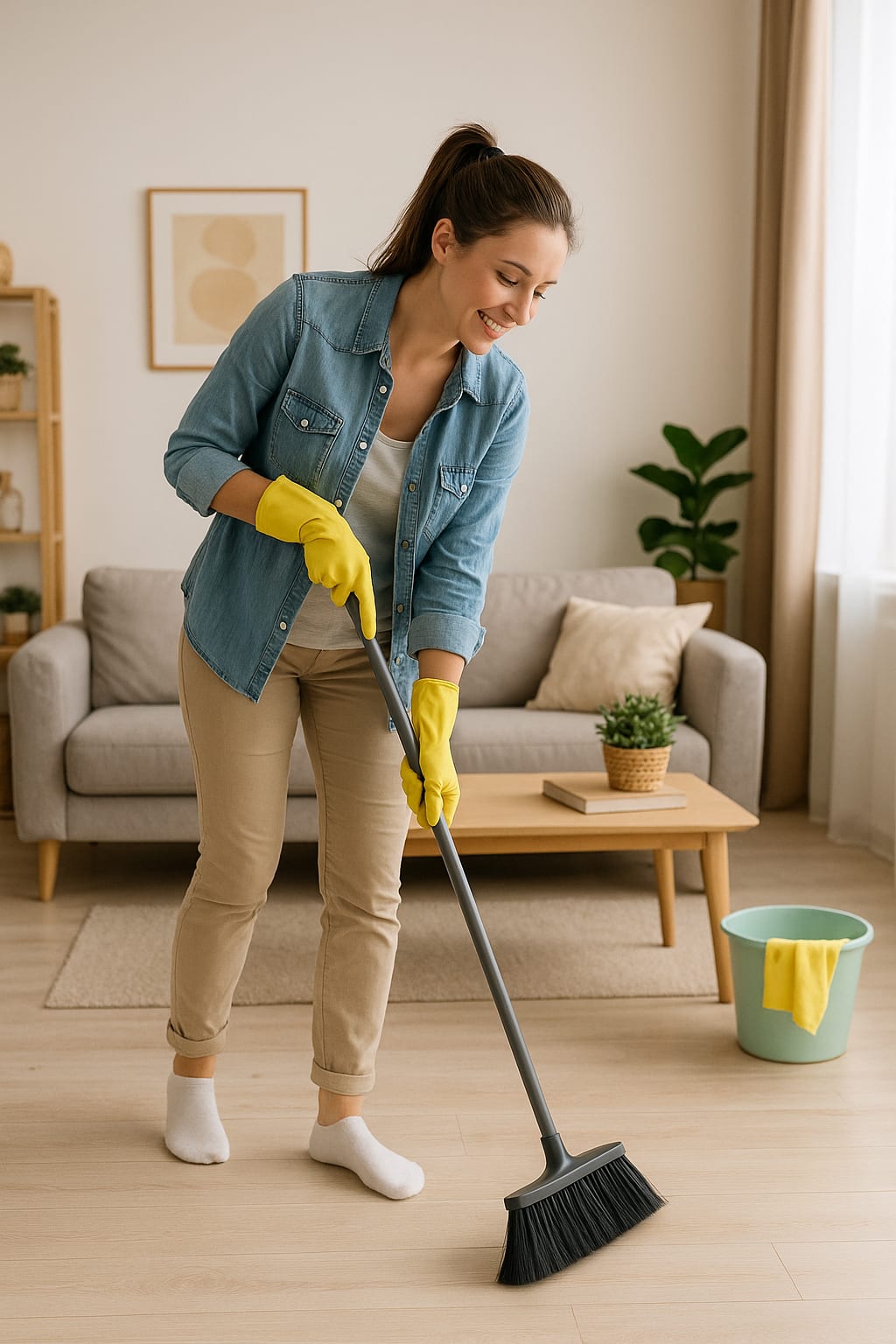
A clean and organized space may seem like a simple matter of aesthetics, but its influence runs far deeper. From reducing stress to boosting productivity, the way cleaning works on both our homes and workplaces can have a profound effect on our mental wellbeing.
The Science of Clean Spaces and Mental Health
Modern research has increasingly highlighted the link between environment and psychology. Studies show that clutter can elevate cortisol levels, the hormone responsible for stress, leading to restlessness and poor concentration. In contrast, neat and orderly environments foster a sense of calm and control.
The concept of “environmental psychology” suggests that people subconsciously mirror their surroundings. When rooms are filled with disorganization and dust, it can feel like life itself is unmanageable. Conversely, tidy areas encourage a perception of stability, giving the mind space to focus.
This isn’t just theory. A study published in the Personality and Social Psychology Bulletin found that individuals who described their living spaces as cluttered were more likely to feel fatigued and depressed. The evidence is clear—cleaning works not only for hygiene but also for mental health.
For those looking to reset their mindset, lifestyle resources like How to Reset Your Mindset provide complementary strategies, showing how clarity in thought often starts with clarity in the environment.
Cleaning as a Ritual for Mindfulness
Rather than being a mundane chore, cleaning may be reframed as an act of mindfulness. The repetitive actions of scrubbing, dusting, or vacuuming provide moments of focus and grounding, much like meditation. This mindful cleaning encourages people to remain in the present, paying attention to both their movements and surroundings.
In Japan, the tradition of osouji, or end-of-year cleaning, symbolizes a fresh start by clearing away the old. It demonstrates how cleaning has long been viewed as a psychological reset rather than just a practical necessity.
Mindfulness and cleaning intersect beautifully. Articles such as Mindfulness for Beginners explain how simple, everyday actions may become mindful practices—cleaning is one of the most accessible ways to build this into daily life.
Spaces That Matter Most for Psychological Balance
Not every room carries equal weight in shaping mood. The bedroom, for example, plays a central role in promoting restful sleep. A clean and uncluttered bedroom reduces distractions, lowers anxiety, and supports the body’s ability to relax.
Workstations are another crucial area. A desk scattered with paperwork and old coffee cups can sabotage concentration, while an orderly workspace fosters productivity and efficiency. Similarly, in shared living spaces, tidiness may reduce interpersonal tension, as clutter is a common source of conflict in households.
Of course, maintaining such standards consistently is not always possible. In these cases, professional help becomes invaluable. Services like cleaningworks.com.au offer practical solutions, ensuring that homes and workplaces remain environments that support mental and physical wellbeing.
When Cleaning Works as Preventative Care
The physical health benefits of a clean environment extend to mental health too. Dust, mold, and allergens contribute not only to respiratory issues but also to anxiety, as constant sneezing or health concerns take a toll on daily life. Similarly, surfaces that harbor bacteria may indirectly increase stress by fueling worries about illness.
By removing these risks, cleaning functions as preventative care. Reduced exposure to allergens and germs not only lowers medical problems but also provides peace of mind. This reassurance is itself a valuable form of emotional relief, proving that cleaning works far beyond what meets the eye.
This perspective also ties into self-care. Just as routines for exercise and diet are linked to wellness, cleanliness deserves equal attention. Articles like Why Self-Care Isn’t Selfish reinforce the message that small daily actions, such as tidying a room or hiring expert help, contribute to long-term wellbeing.
Modern Perspectives – Beyond the Traditional Chore
Cleaning has taken on new dimensions in modern culture. Younger generations often frame it as an eco-conscious lifestyle choice, turning to biodegradable cleaning products or minimalist living philosophies to reduce clutter. Digital cleaning—like decluttering inboxes and apps—has also become increasingly recognized for boosting mental clarity.
Social media has added another twist. The rise of “cleanfluencers” has turned cleaning into a motivational and community-driven activity, encouraging people to take pride in small victories like shining a sink or organizing a cupboard. This public celebration of tidiness reflects the deep psychological satisfaction that comes from order.
In today’s fast-paced world, where stress and overstimulation are common, seeing cleaning as a wellness tool rather than a burden reframes the practice. It shows that cleaning works both practically and psychologically in ways people may have overlooked.
Conclusion: Clean Space, Clear Mind
The hidden impact of cleaning stretches well beyond what the eye can see. By lowering stress, supporting better sleep, and creating more harmonious living and working spaces, the act of cleaning plays a direct role in improving mental health. Whether approached as a mindful ritual, a form of self-care, or a professional service, cleaning works in ways that uplift both body and mind.
For those who feel overwhelmed by daily demands, turning to trusted professionals such as cleaningworks.com.au ensures that spaces remain not only hygienic but also emotionally restorative. After all, a clear space truly does create a clear mind.
About the Creator
Keep reading
More stories from Amelia Brown and writers in Lifehack and other communities.
Building Independence and Confidence: How Total Care Disability Services Empowers Everyday Living
Living with a disability often means navigating a world that isn’t always designed with accessibility or inclusion in mind. Yet, across Australia, individuals are proving that independence isn’t just about doing things alone—it’s about having the right support to live life on one’s own terms. Providers such as Total Care Disability Services have been instrumental in making this possible, helping people build skills, confidence, and a sense of community that extends well beyond their homes.
By Amelia Brown3 months ago in Lifehack
Crucial Health and Safety Practices Every Employer Must Enforce
Creating a safe workplace isn't just about meeting legal obligations—it’s about building a sustainable, ethical, and high-performing business. When companies prioritize employee well-being, they reduce the risk of injuries, legal consequences, and operational disruptions. OSHA and other regulatory bodies have laid down clear guidelines to help employers maintain secure environments. These rules are designed to prevent accidents and illnesses, but their real value lies in protecting the people who keep businesses running.
By Dr. Todd Young7 days ago in Lifehack
The Truth in My Lab Report: How I Slashed My Triglycerides and Changed My Cholesterol for Good
My Lipid Wake-Up Call: How Untangling Triglycerides vs. Cholesterol Changed My Health (And Probably Saved Me) Let’s be real. For years, the words from my doctor’s office just washed over me. A mumbled monologue about “lipid panels,” “numbers,” and “cardiovascular risk.” I’d nod, see a few flagged results on my printout—usually something about triglycerides and LDL—feel a pinch of worry, and then… life would happen. I’d grab a quick sandwich, skip the gym because I was tired, and tell myself I’d deal with it later. The confusion itself was a comfort zone. If I didn’t truly understand it, I couldn’t be fully responsible for fixing it, right?
By John Arthor7 days ago in Lifehack
Miss Persephone's Manual to a Seemingly Ordinary Life
Miss Persephone was found at the dining table, her blue eyes swollen, her tears arriving and retreating like the tides of the ocean. Earlier that day, her family had visited her in the retirement home where she had lived for eight years. It was her eightieth birthday.
By Imola Tóth3 days ago in Fiction




Comments
There are no comments for this story
Be the first to respond and start the conversation.