
How Can You Tell When You Are About to Have a Heart Attack?
Signs and Symptoms of a Heart Attack
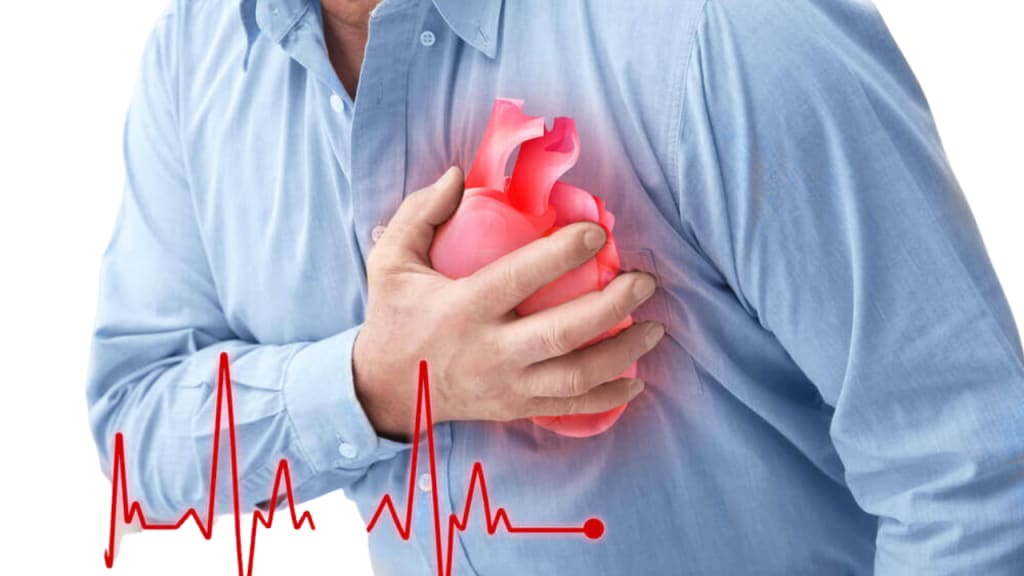
Heart attacks are serious and life-threatening medical conditions. It is essential to recognize the symptoms of a heart attack so that prompt medical treatment can be administered. Knowing the warning signs and taking immediate action can be the difference between life and death. In this article, we will explore how to tell when you are about to have a heart attack and what steps you should take if you experience any of these symptoms.
1. What is a heart attack?
A heart attack, also known as myocardial infarction, occurs when the blood flow to a part of the heart is blocked, usually by a blood clot. The lack of blood flow causes damage or death to the heart muscle. A heart attack is a medical emergency and requires immediate attention.
2. What are the symptoms of a heart attack?
The symptoms of a heart attack can vary from person to person, but some common signs to look out for include:
3. Chest pain or discomfort
Chest pain or discomfort is one of the most common symptoms of a heart attack. The pain can feel like pressure, fullness, squeezing, or pain in the center or left side of the chest. The pain may come and go, or it may be constant. It may also feel like indigestion or heartburn.
4. Pain or discomfort in other areas of the upper body
Pain or discomfort can also occur in other areas of the upper body, such as the arms, neck, jaw, back, or stomach. The pain may be mild or severe and may come and go.
5. Shortness of breath
Shortness of breath is another common symptom of a heart attack. You may feel like you are out of breath or that you cannot catch your breath, even if you are not exerting yourself.
6. Cold sweat
A cold sweat is a sudden and unexplained onset of sweating. It is a common symptom of a heart attack, particularly in women.
7. Nausea or vomiting
Nausea or vomiting can occur during a heart attack, particularly in women.
8. Dizziness or lightheadedness
Dizziness or lightheadedness can occur during a heart attack. You may feel like you are going to faint or that the room is spinning.
9. Fatigue
Unexplained fatigue or weakness can be a symptom of a heart attack, particularly in women.
10. How to respond to the warning signs of a heart attack
If you experience any of the warning signs of a heart attack, it is essential to take immediate action. Here are some steps you should take:
11. Call for emergency medical help
If you are experiencing chest pain or other symptoms of a heart attack, call for emergency medical help immediately. Do not wait to see if the symptoms go away on their own.
12. Take nitroglycerin, if prescribed
If you have been prescribed nitroglycerin for chest pain, take it as directed
13. Chewing or swallowing aspirin
Chewing or swallowing an aspirin can help to thin the blood and prevent further blood clotting. This can help to reduce the damage to the heart muscle.
14. Remain calm and relaxed
It is important to remain calm and relaxed if you are experiencing a heart attack. This can help to reduce stress on the heart and lower your blood pressure.
15. Conclusion
Knowing the warning signs of a heart attack can be life-saving. If you experience any of the symptoms of a heart attack, it is essential to take immediate action. Call for emergency medical help, take any prescribed medication, and remain calm and relaxed. By taking prompt action, you can increase your chances of survival and minimize damage to the heart muscle.
16. FAQs
What is the difference between a heart attack and a cardiac arrest?
A heart attack and a cardiac arrest are two different medical conditions related to the heart. A heart attack occurs when the blood flow to a part of the heart is blocked, usually due to a buildup of plaque in the arteries. This blockage can cause damage to the heart muscle, and if not treated quickly, can be life-threatening.
On the other hand, cardiac arrest occurs when the heart suddenly stops beating, usually due to an electrical problem in the heart. This can cause a sudden loss of consciousness, and breathing difficulties, and if not treated quickly, can also be life-threatening.
While a heart attack and a cardiac arrest are both serious medical emergencies, they require different treatments. In the case of a heart attack, immediate medical attention is required to restore blood flow to the affected part of the heart. In the case of a cardiac arrest, immediate CPR (cardiopulmonary resuscitation) and defibrillation (an electric shock to the chest) are required to try to restore the heart's rhythm.
Who is at risk of having a heart attack?
Anyone can have a heart attack, but certain factors can increase your risk. These include:
Age: As you get older, your risk of having a heart attack increases.
Gender: Men are more likely to have a heart attack than women, although women's risk increases after menopause.
Family history: If you have a family history of heart disease, you are at a higher risk.
Smoking: Smoking damages the blood vessels and increases the risk of heart disease.
High blood pressure: High blood pressure can damage the arteries and increase the risk of heart disease.
High cholesterol: High levels of cholesterol in the blood can lead to the buildup of plaque in the arteries, increasing the risk of heart disease.
Diabetes: Diabetes can increase the risk of heart disease, especially if blood sugar levels are poorly controlled.
Obesity: Being overweight or obese can increase the risk of heart disease.
Sedentary lifestyle: Lack of physical activity can increase the risk of heart disease.
Stress: Chronic stress can increase the risk of heart disease.
It is essential to know your risk factors and take steps to reduce them, such as making lifestyle changes, taking medication as prescribed, and attending regular check-ups with your doctor.
Can you prevent a heart attack?
While it is not possible to completely eliminate the risk of having a heart attack, there are several steps you can take to reduce your risk and prevent a heart attack. These include:
Quit smoking: Smoking is a significant risk factor for heart disease, and quitting smoking can reduce your risk of having a heart attack.
Maintain a healthy weight: Being overweight or obese can increase your risk of heart disease, so maintaining a healthy weight through a balanced diet and regular exercise can help reduce your risk.
Exercise regularly: Regular exercise can improve heart health and reduce the risk of heart disease. Aim for at least 30 minutes of moderate-intensity exercise most days of the week.
Eat a healthy diet: A diet rich in fruits, vegetables, whole grains, and lean proteins can help reduce your risk of heart disease.
Manage stress: Chronic stress can increase the risk of heart disease, so finding ways to manage stress, such as through meditation, yoga, or therapy, can help reduce your risk.
Control blood pressure and cholesterol: High blood pressure and cholesterol can increase the risk of heart disease, so it's essential to have regular check-ups with your doctor and take medication as prescribed to manage these conditions.
Limit alcohol consumption: Drinking too much alcohol can increase your risk of heart disease, so it's best to limit your alcohol intake to moderate levels.
By adopting these healthy lifestyle habits, you can reduce your risk of having a heart attack and promote overall heart health.
How is a heart attack treated?
Treatment for a heart attack can include medication, procedures such as angioplasty or bypass surgery, and lifestyle changes.
How long does it take to recover from a heart attack?
Recovery time can vary depending on the severity of the heart attack and individual factors such as age and overall health. It is essential to follow your doctor's instructions and attend follow-up appointments to ensure a full recovery.
About the Creator
Keep reading
More stories from Arshadnashat and writers in Lifehack and other communities.
Can Shark Blood be the Answer to Cancer Treatment?
Cancer is one of the leading causes of death worldwide, and finding a cure has been a top priority for scientists for decades. Sharks have always been fascinating creatures, with their impressive speed, strength, and survival abilities. One of these abilities is their immunity to most diseases, including cancer. This raises the question, can shark blood be the answer to cancer treatment? In this article, we will explore the science behind shark immunity and how it can be used to fight cancer.
By Arshadnashat3 years ago in Lifehack
The Consequence of Greed
Snowfall had turned the lush green trees of the forest completely white. It was the heart of winter, and as soon as the snow began to fall, a deep silence spread through the jungle. The animals who had wisely stored food before the cold arrived were now resting comfortably in their homes, eating and drinking without worry. But those who had made no preparations were shivering in the freezing weather, wandering around in search of food.
By Sudais Zakwana day ago in Lifehack
What Your Grandmother Knew about Gold that Wall Street Forgot
My grandmother kept her gold bangles in a faded velvet pouch at the back of her wardrobe. Not in a safe, not in a bank vault, just tucked between old shawls and photographs. When I asked her once why she bothered keeping them, she looked at me like I'd asked why the sky was blue.
By Marcus Briggs7 days ago in Lifehack
Center Stage with Paul Stewart
*** I'm keen to republish the interviews I did for my series with Vocal creators. It's been a few years and I thought it might be nice to revisit these wonderful conversations. I'll be releasing them one at a time for a few weeks/months.
By Heather Hubler4 days ago in Interview




Comments
There are no comments for this story
Be the first to respond and start the conversation.