
How Badminton Changed My Thoughts and Way of Living
“From Stress Relief to Self-Discipline: The Life-Changing Impact of Badminton”

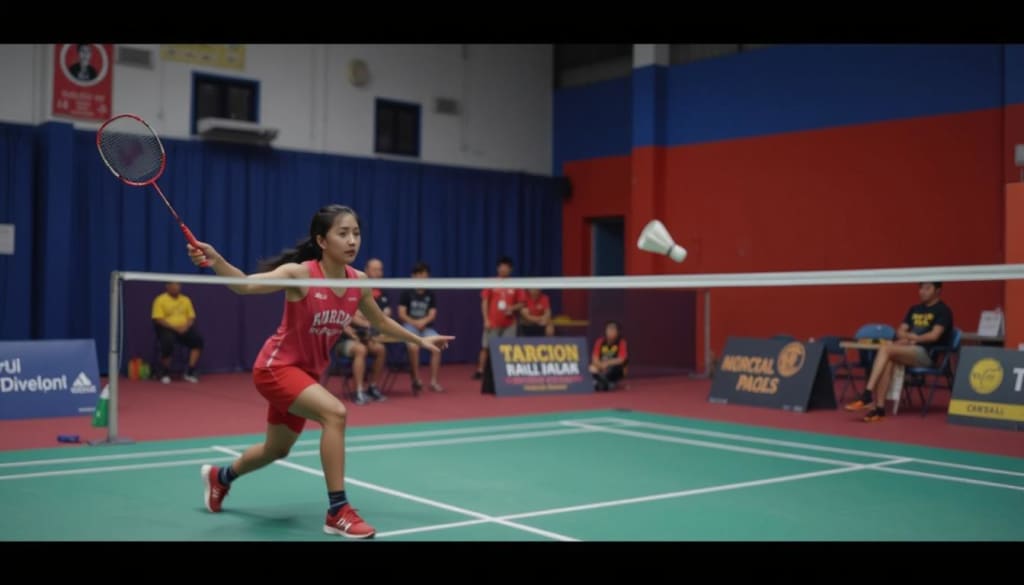
In today’s fast-paced world, mental health has become one of the most important aspects of our well-being. Stress, anxiety, and burnout affect millions of people daily, and finding a healthy outlet has never been more crucial. For me, that outlet turned out to be badminton. What started as a simple hobby soon became a powerful tool for managing my mental health, transforming my thoughts, and reshaping my lifestyle.
The Mental Health Benefits of Badminton
Badminton is often viewed as just another sport, but it carries deep psychological benefits. The game demands focus, presence, and quick decision-making—qualities that naturally push you away from negative thoughts and daily worries. When I step on the court, I forget about deadlines, arguments, or overthinking. Instead, I’m fully immersed in the moment, which gives my mind a break from the constant noise.
This mindfulness effect of badminton helped me deal with anxiety and stress in ways I never expected. Rather than bottling up emotions or escaping through unhealthy habits, I found a healthy, joyful release. Every smash felt like stress leaving my body, and every rally reminded me to keep fighting—even when life feels overwhelming.
Replacing Stress With Focus and Positivity
One of the most profound changes badminton brought into my life was how I handled stress. Instead of letting anxiety spiral into sleepless nights or irritability, I learned to channel it into energy on the court. Over time, my brain began to associate challenges not with fear, but with resilience.
Badminton also boosted my confidence. The more I improved, the more I believed in myself—not just as a player, but as a person capable of growth. This shift in thinking spilled over into my daily life. At work, I became more focused. In relationships, I became calmer and more patient. The game rewired my mental outlook from negative self-talk to positive reinforcement.
Physical Health as a Path to Mental Health
It’s no secret that exercise improves mood, but badminton makes it enjoyable. Playing just a few matches leaves me sweating, smiling, and energized. Science shows that exercise releases endorphins—our natural “feel-good” hormones—and badminton is no exception. It reduces stress hormones like cortisol while boosting serotonin and dopamine, which regulate mood and fight depression.
Unlike running on a treadmill or lifting weights, badminton doesn’t feel like a chore. The excitement of chasing the shuttle keeps me motivated, and the intensity of rallies gives me both cardio fitness and mental release. Better sleep, improved appetite, and more stable energy levels became natural side effects of playing regularly.
Structure, Discipline, and Time Management
Mental health also improves when life has structure. Badminton gave me that. To get better, I had to set aside time for practice, plan matches, and balance training with other responsibilities. This naturally improved my time management skills and gave my days more rhythm.
Instead of endless scrolling on social media or overthinking, I started dedicating that time to the court. This change not only made me more productive but also gave me a sense of control over my life—something crucial when fighting anxiety or stress.
Social Connection and Emotional Growth
Another underrated aspect of badminton is its social impact. Loneliness and isolation are huge contributors to poor mental health today. Badminton helped me combat that by connecting me with a community. Meeting people at the court, playing doubles, and sharing victories and losses created bonds that made me feel supported and less alone.
Emotionally, I also grew stronger. Losing a match no longer crushed me—it became a lesson in humility and patience. Winning, on the other hand, reminded me that hard work pays off. This balance between acceptance and achievement shaped me into a more emotionally resilient person.
Badminton as a Modern Mental Health Tool
Looking at my journey, I can say badminton has been more than just a sport—it has been therapy. It keeps me physically healthy, but more importantly, it helps me maintain mental balance in a stressful world. Instead of relying only on external solutions for mental health, badminton gave me a personal tool to cope, grow, and stay positive.
If you’re struggling with stress, anxiety, or lack of motivation, consider picking up a racket. You don’t need to be a professional athlete to feel the benefits. Just a few games a week can shift your mindset, boost your energy, and create a healthier approach to life.
For practical guides, tips, and expert advice to start your journey, visit www.badmintonhome.com
—a complete resource for beginners and advanced players alike.
Frequently Asked Questions About Badminton and Mental Health
1. Can badminton help reduce stress and anxiety?
Yes, badminton helps release endorphins and provides a positive outlet for stress relief.
2. Is badminton good for people with depression?
While it’s not a cure, the physical activity, social connection, and sense of accomplishment from playing can help manage symptoms.
3. How does badminton affect focus and concentration?
It trains your mind to stay present and sharp, which carries over into daily life tasks.
4. Can playing badminton improve sleep?
Yes, regular physical activity from badminton promotes better, deeper sleep cycles.
5. Is badminton better than gym workouts for mental health?
For many, yes—it’s more engaging, social, and enjoyable, which makes it easier to stick with.
6. How often should I play badminton to feel mental health benefits?
Even 2–3 sessions per week can noticeably reduce stress and improve mood.
7. Does badminton help with building confidence?
Yes, as your skills improve and you achieve small victories, your self-esteem grows.
8. Is badminton suitable for people of all ages?
Absolutely—it can be played casually or competitively by kids, adults, and seniors.
9. Can badminton help me make new friends?
Yes, playing in clubs or groups builds social connections, which is great for emotional health.
10. Where can I learn how to start playing badminton?
Explore tutorials, tips, and equipment guides at www.badmintonhome.com
Final Thoughts
In today’s world where mental health is just as important as physical health, badminton offers a perfect balance. It reduces stress, improves mood, builds discipline, and fosters community. Most importantly, it teaches you how to face challenges with resilience and positivity.
If you’re looking for a fun, healthy, and life-changing way to improve your mental well-being, badminton is the answer.
👉 Take control of your mental health today—begin your badminton journey with www.badmintonhome.com
.
About the Creator
Reframeroots
Empowering minds & boosting businesses-helping people overcome struggles, with expertise in finance and digital marketing. Let’s grow together!
Keep reading
More stories from Reframeroots and writers in Lifehack and other communities.
Youth in Revolt: The Causes, Issues, and Resonance of Protest in Nepal and France
In September 2025, both Nepal and France are experiencing historic waves of youth-led protests—each driven by frustration, each reflecting a new generational breaking point. The reasons are as diverse as the countries’ contexts: grievances about corruption, digital rights, economic insecurity, and political exclusion fuse in unique ways. This article unpacks why a youth burst is happening now, what the protest in France and protest in Nepal share, and how their issues differ—with 1,500+ words of in-depth analysis, keyword-rich subheadings, and a focus on the defining struggles of this generation.
By Reframeroots6 months ago in Journal
Common Mistakes to Avoid When Using Whey Protein Powder
Whey protein looks simple. Mix it, shake it, and drink it done. Yet a lot of people use it the wrong way and then wonder why they don’t see results. Whey isn’t magic. It’s a supplement. When you use it properly, it supports strength, recovery, and lean muscle growth. When you misuse it, it becomes expensive flavoured milk.
By Lakshay Gulati4 days ago in Lifehack
Becca
"Everything is so... flat." Denille said stupidly as she looked around her new neighborhood. She looked around at the muted desert where even the smallest sign of life seemed to have given up. The plant life was shrubs that were half cooked by the heat and where there should have been a lawn, a mess of white rocks laid glistening in the sun. Even the sky looked stretched thin, like the sun had ironed it smooth. She’d moved from Riverside, where at least there were hills, but here in Barstow, everything felt baked and brittle.
By Sara Wilson8 days ago in Fiction




Comments
There are no comments for this story
Be the first to respond and start the conversation.