
How a Namibia Hunting Safari Supports Conservation and Local Communities
Discover how responsible hunting in Namibia helps protect wildlife, preserve natural habitats, and empower rural communities through sustainable conservation practices

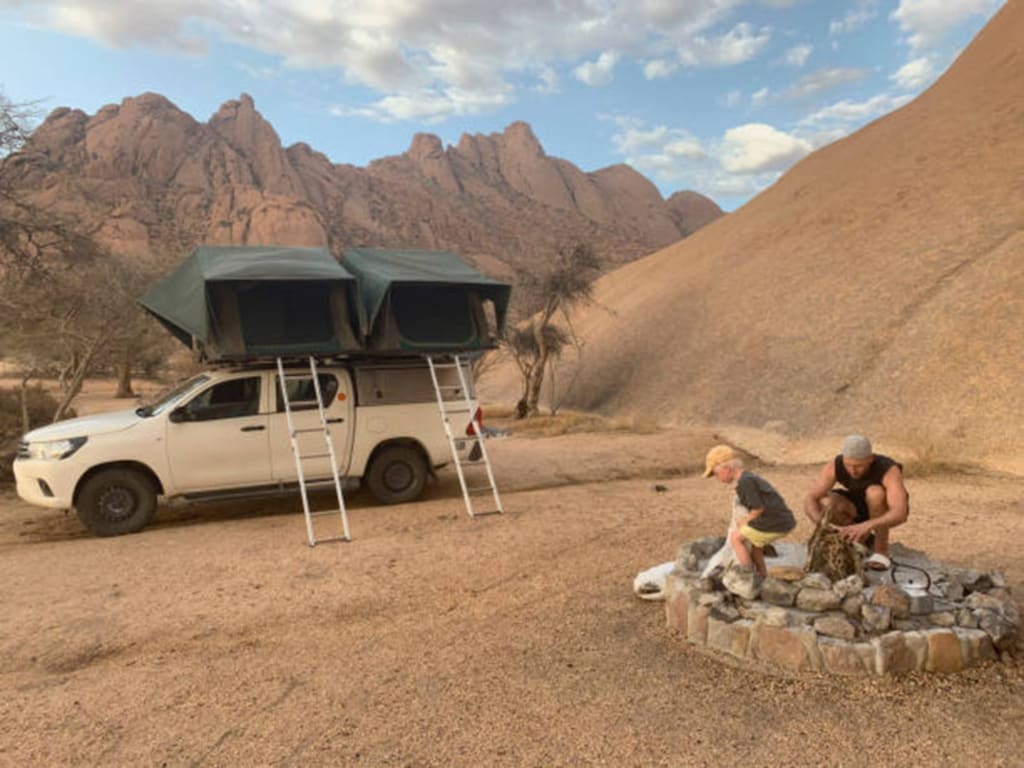
Namibia has long been recognized as one of Africa’s premier destinations for ethical and sustainable hunting. Beyond the thrill of the chase, a Namibia hunting safari plays a vital role in wildlife conservation and the upliftment of local communities. The country’s unique approach to managing its natural resources has created a model where hunting, conservation, and community development work hand in hand ensuring that both people and wildlife thrive in harmony.
A Conservation Success Story
Namibia became the first African country to incorporate environmental protection into its constitution. This progressive mindset laid the foundation for its world-renowned community-based conservation system. Through a network of “conservancies,” rural communities are granted rights to manage and benefit from the wildlife on their land.
Regulated hunting is a central part of this approach. By allowing controlled hunting quotas under strict government supervision, Namibia ensures that only sustainable numbers of animals are harvested each year. The revenue generated from these safaris is then reinvested directly into conservation projects funding anti-poaching patrols, habitat restoration, and wildlife monitoring programs.
This balance of responsible tourism and wildlife management has helped endangered species like the black rhino, cheetah, and Hartmann’s mountain zebra recover significantly over the years. In fact, Namibia now boasts some of the healthiest and most stable wildlife populations in southern Africa.
Economic Empowerment for Rural Communities
In Namibia’s remote areas, where traditional farming and tourism options are limited, hunting provides one of the few viable sources of income. Local communities directly benefit from hunting concessions through job creation, infrastructure development, and revenue-sharing agreements.
Community members are often employed as trackers, guides, cooks, and maintenance staff in hunting camps, gaining valuable skills and stable incomes. In many conservancies, the proceeds from hunting are also used to build schools, clinics, and clean water facilities projects that improve quality of life far beyond the hunting season.
This economic empowerment gives communities a tangible reason to protect their natural environment and its wildlife. When local people see that living animals have more long-term value than poached ones, they become the strongest defenders of conservation.
Ethical and Sustainable Hunting Practices
Namibia’s hunting Safari industry operates under some of the strictest ethical guidelines in Africa. Every safari is closely monitored by the Ministry of Environment, Forestry and Tourism to ensure sustainability. Hunters are required to work with licensed professional guides, and all quotas are based on scientific wildlife assessments.
These regulations guarantee that hunting contributes positively to ecological balance. For instance, older or non-breeding males are often selected for hunting, which reduces competition within herds and allows younger animals to thrive. Nothing goes to waste the meat from the hunt is typically distributed among local communities, providing an important source of protein.
This sustainable model transforms hunting into a conservation tool rather than a threat proving that when done responsibly, it can coexist with preservation efforts.
Partnerships That Strengthen the Future
Private hunting lodges, professional hunters, and conservation organizations often work together to maximize impact. Many lodges fund wildlife research programs, sponsor anti-poaching units, and collaborate with NGOs to train community members in conservation skills.
Moreover, hunters themselves play a key role in financing conservation. The fees collected from hunting permits and trophy licenses go directly into wildlife management, habitat maintenance, and local development projects. This creates a self-sustaining cycle where responsible tourism ensures the long-term survival of both nature and culture.
A Model for Africa and Beyond
Namibia’s approach to integrating hunting with conservation and community empowerment has become a model for other countries. It demonstrates that when wildlife has economic value to local people, it stands a far better chance of being protected.
By choosing a Namibia hunting safari that upholds ethical and sustainable standards, visitors contribute directly to preserving Africa’s wilderness and empowering its rural populations. Each safari not only offers an unforgettable adventure but also leaves behind a legacy of protection, prosperity, and pride.
In essence, Namibia’s hunting safaris represent more than just sport they embody a partnership between humans and nature, built on respect, sustainability, and shared benefit. Through this balance, Namibia continues to show the world that responsible hunting can indeed drive conservation success and transform lives.
About the Creator
Aru Game Lodges
Discover the heart of Africa with Arugame Lodges, where luxury meets the untamed beauty of Namibia. Our exclusive Namibia safari lodges offer breathtaking landscapes, world-class hospitality, and unforgettable wildlife encounters.
Keep reading
More stories from Aru Game Lodges and writers in Lifehack and other communities.
Why Safari Lodges Near Windhoek Are Perfect for First-Time Visitors
Namibia is a land of stark beauty, dramatic deserts, and iconic wildlife. For first-time travelers to Africa, it can also seem vast and intimidating. While many dream of visiting Etosha National Park or venturing deep into the Namib Desert, such trips often require detailed planning, long drives, and sometimes even charter flights. That’s why safari lodges near Windhoek—Namibia’s capital—are a perfect solution for new visitors looking for a seamless, immersive, and comfortable introduction to the country.
By Aru Game Lodges 7 months ago in Lifehack
Apple iPhone Security Warning: What’s Happening, Why It’s Trending, and How to Protect Your Device
Search interest in the phrase “Apple iPhone security warning” has surged dramatically across the UK in the past 24 hours, according to Google Trends. The sudden spike suggests that thousands of iPhone users are encountering or at least hearing about the security alerts and are unsure whether they are legitimate or a cause for concern.
By James Andersonabout 18 hours ago in Lifehack



Comments
There are no comments for this story
Be the first to respond and start the conversation.