
I. Introduction
Home security refers to the measures taken to protect a home and its occupants from potential threats such as burglary, fire, natural disasters, home invasion, and cyber attacks. Home security is a critical aspect of homeownership and rental living as it ensures the safety and well-being of individuals and their possessions.
Importantly, home security provides a sense of peace and security, especially in times of increased crime and uncertainty. It not only safeguards the occupants but also provides protection for their assets and investments. In today’s world, where technology has made it easier for criminals to breach home security systems, it is vital to ensure that the measures taken to protect our homes are up-to-date and effective.
This article will discuss the common threats to home security and provide steps that individuals can take to improve the safety of their homes. Additionally, it will explore the latest home security technology, including smart locks, security systems, and video doorbells. The article will also touch on home security for renters and the challenges they may face in securing their rental properties. By the end of this article, readers will have a better understanding of the importance of home security and how to protect their homes and loved ones from potential threats.
II. Common threats to home security
Common threats to home security include burglary and theft, fire, natural disasters, home invasion, and cybersecurity threats. Burglary and theft are some of the most common threats and can result in the loss of valuable possessions and damage to property. Fires can cause extensive damage to homes and pose a significant risk to the safety of its occupants. Natural disasters such as earthquakes, floods, and hurricanes can also cause substantial damage to homes and lead to injuries or loss of life. Home invasions, where criminals force their way into a home with the intent of committing a crime, pose a serious threat to the safety of individuals and their families. Finally, cybersecurity threats such as identity theft and hacking can compromise personal information and lead to financial loss. It is important for homeowners and renters to be aware of these potential threats and take proactive steps to protect their homes and families.
A. Burglary and theft
Burglary and theft are common threats to home security that can result in the loss of valuable possessions and damage to property. Burglars often target homes that appear to be unoccupied or lack sufficient security measures. They may gain access to a home through an unlocked door or window or by breaking a lock. Once inside, they may steal jewelry, electronics, cash, and other valuable items. The emotional impact of a burglary can also be significant, with individuals feeling violated and unsafe in their own homes. To prevent burglary and theft, homeowners and renters can take steps such as installing security systems, using motion sensor lights, and investing in sturdy locks and deadbolts. Additionally, it is essential to maintain a low profile, by not posting about travel plans or expensive purchases on social media, and to build relationships with neighbors to look out for each other’s homes.
B. Fire
Fire is another significant threat to home security that can cause extensive damage to homes and pose a significant risk to the safety of its occupants. Fires can be caused by electrical issues, cooking mishaps, or heating equipment malfunctions. It is essential to take measures such as installing smoke detectors and fire alarms, ensuring that electrical and heating systems are maintained and used safely, and having an evacuation plan in place in case of a fire. Additionally, individuals can invest in fire extinguishers and learn how to use them effectively. By taking these precautions, homeowners and renters can reduce the risk of a fire occurring and minimize the damage if one does occur.
C. Natural disasters
Natural disasters such as earthquakes, floods, and hurricanes are other common threats to home security that can cause substantial damage to homes and lead to injuries or loss of life. It is essential to take proactive measures to protect homes from these disasters, such as securing outdoor objects that can be blown away in a hurricane, installing flood barriers and pumps, and reinforcing homes to withstand earthquakes. Additionally, homeowners and renters should have an emergency kit that includes food, water, and other essential items in case of a disaster. Being aware of the potential risks and taking precautions can go a long way in protecting homes and families from the damaging effects of natural disasters.
D. Home invasion
Home invasion is a serious threat to home security where criminals force their way into a home with the intent of committing a crime. This can include theft, assault, or even kidnapping. Home invasions can occur at any time, but they often happen during the night when the occupants are asleep. To prevent home invasions, homeowners and renters can take measures such as installing security systems and deadbolts on doors, keeping windows and doors locked at all times, and ensuring that exterior areas are well-lit. It is also essential to be cautious about allowing strangers into the home and to have a plan in place for what to do in case of a home invasion. By taking these precautions, individuals can reduce the risk of a home invasion and protect themselves and their families.
E. cybersecurity
In today’s digital age, cybersecurity threats have become an increasingly prevalent threat to home security. Cybercriminals can gain access to personal information, financial data, and even control of home systems through unsecured internet connections and weak passwords. To prevent cybersecurity threats, homeowners and renters can take steps such as securing their Wi-Fi network with a strong password and using two-factor authentication for online accounts. It is also essential to keep software and security systems up-to-date and avoid clicking on suspicious links or downloading unknown files. By being vigilant and taking necessary precautions, individuals can protect their personal information and home systems from cyber threats.
III. Steps to Improve Home Security
The third section of this article will outline practical steps that homeowners and renters can take to improve their home security. This includes measures such as installing security systems, securing windows and doors, using timers for lights and electronics, and maintaining landscaping to eliminate potential hiding spots for criminals. Additionally, the article will cover the importance of being aware of one’s surroundings, avoiding routine patterns, and knowing one’s neighbors to enhance community safety. The section will also provide tips for securing personal information and maintaining cybersecurity. By the end of this section, readers will have a better understanding of the steps they can take to improve their home security and protect their homes and families from potential threats.
A. Physical security measures
Physical security measures are essential components of home security and can go a long way in deterring criminals from attempting to break into a home. These measures include installing security systems, deadbolts, and window locks, as well as reinforcing doors and windows. Additionally, motion-activated lights, security cameras, and alarm systems can provide an added layer of protection. Homeowners and renters should also be mindful of who they give access to their homes and use peepholes or video doorbells to identify visitors before opening the door. By implementing these physical security measures, individuals can significantly reduce the risk of burglary and home invasion and create a safer living environment for themselves and their families.
1. Installing locks, deadbolts, and security systems:
Installing locks, deadbolts, and security systems is one of the most effective ways to improve home security. Deadbolts provide a higher level of security than traditional locks by extending deeper into the door frame and making it more difficult for burglars to force entry. Security systems can include sensors on doors and windows, motion detectors, and alarm systems that are monitored by a professional security company. These systems can alert homeowners and law enforcement to potential threats and provide an added layer of protection. It is also essential to ensure that all locks and security systems are functioning correctly and to change the locks or codes when moving into a new home or in the event of lost keys or security breaches. By investing in these physical security measures, individuals can deter potential criminals and protect their homes and families from potential threats.
2. Using motion sensor lights and security cameras
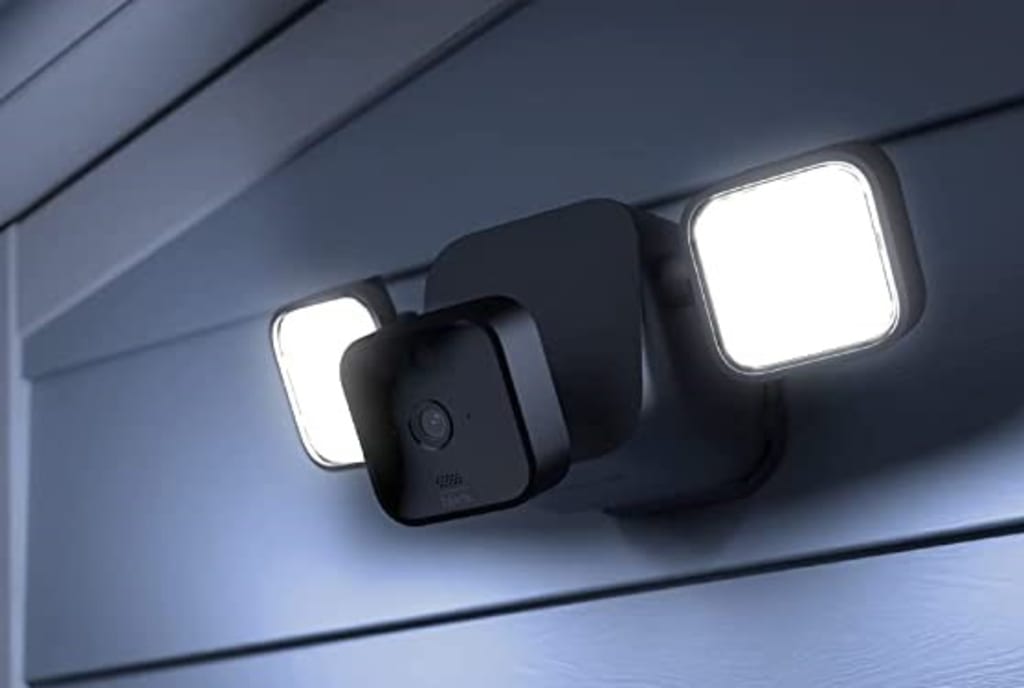
Motion sensor lights and security cameras are additional physical security measures that can significantly enhance home security. Motion sensor lights can detect movement and automatically turn on, alerting homeowners to potential threats and deterring burglars by making it more challenging to approach the home undetected. Security cameras provide a way to monitor the exterior and interior of a home, allowing homeowners to keep an eye on potential threats and identify any suspicious activity. These cameras can be connected to a home security system or accessed remotely through a smartphone or computer. By providing an additional layer of visual surveillance, motion sensor lights and security cameras can help prevent break-ins and provide valuable evidence in the event of a crime. It is important to ensure that these devices are installed in strategic locations to provide adequate coverage and that they are regularly maintained and checked for proper functioning. By utilizing motion sensor lights and security cameras, individuals can enhance their home security and protect their homes and families from potential threats.
Fencing and landscaping can also play a significant role in improving home security. A sturdy fence can act as a physical barrier and deter potential intruders from attempting to access the property. Fences should be high enough to prevent climbing and have a locking mechanism to secure gates. In addition to fencing, landscaping can be used to create a natural barrier around the home. Planting thorny bushes or shrubs near windows and doors can make it difficult for intruders to access the home. It is also important to keep landscaping well-maintained, with no overgrown trees or bushes that could provide hiding spots for criminals. By combining fencing and landscaping, homeowners can create a secure and aesthetically pleasing environment that provides an additional layer of protection against potential threats.
B. Behavioral security measures
Behavioral security measures are another critical aspect of home security. While physical security measures can deter potential threats, it is also essential to adopt smart behaviors that promote safety and prevent criminals from targeting a home. These measures can include locking doors and windows, closing curtains or blinds at night, and avoiding leaving valuables in plain sight. It is also essential to be cautious about sharing personal information on social media and to avoid posting vacation plans or updates that indicate the home will be empty. By being mindful of these behavioral security measures, homeowners can significantly reduce the likelihood of a security breach and protect their homes and families from potential threats.
1. Maintaining a low profile
Maintaining a low profile is an important behavioral security measure that homeowners should adopt to enhance home security. This means avoiding drawing attention to the home and minimizing the potential for criminals to identify it as a target. One way to maintain a low profile is to keep valuable items, such as expensive electronics or jewelry, out of plain sight. This can be achieved by closing blinds or curtains, avoiding leaving items on display near windows or doors, and storing valuable items in a safe or secure location. It is also important to be cautious about who has access to the home and to avoid providing unnecessary details about the home or its contents to individuals who do not need to know. By maintaining a low profile, homeowners can reduce the likelihood of becoming a target and improve their overall home security.
2. Building relationships with neighbors
Building relationships with neighbors is another important behavioral security measure that can enhance home security. Neighbors can be valuable allies in protecting a home and preventing potential security breaches. By establishing positive relationships with neighbors, individuals can create a network of support that can keep an eye on the home and alert the homeowner if there is any suspicious activity. This can include reporting unusual behavior, collecting mail or packages while the homeowner is away, and notifying the homeowner if there is any unexpected activity around the home. In addition to providing an additional layer of security, building relationships with neighbors can also improve overall quality of life and create a sense of community. By working together to keep their neighborhood safe, individuals can create a safer and more enjoyable living environment.
3. Practicing good cybersecurity habits
In today’s digital age, practicing good cybersecurity habits is essential to maintaining home security. Many homes have multiple devices connected to the internet, such as smartphones, computers, and smart home devices. These devices can be vulnerable to cyber attacks, which can compromise sensitive information and provide access to the home network. To improve cybersecurity, homeowners should practice good habits such as using strong passwords, regularly updating software and firmware, and avoiding clicking on suspicious links or downloading unknown files. It is also important to secure home networks with strong encryption and firewalls to prevent unauthorized access. By adopting these cybersecurity measures, homeowners can significantly reduce the risk of cyber attacks and improve their overall home security.
IV. Home security technology
Home security technology has advanced significantly in recent years, offering homeowners a range of innovative tools and devices to improve their home security. From smart doorbells and cameras to advanced security systems and remote monitoring, these technologies provide an added layer of protection against potential threats. Homeowners can remotely monitor their homes using their smartphones or other devices, receive notifications in case of suspicious activity, and even control various aspects of their home security systems, such as locking and unlocking doors, turning on lights, or adjusting thermostat settings. The availability of these technologies has made it easier for homeowners to improve their home security and protect their families and possessions from potential threats.
A. Smart locks
Smart locks are one of the most popular and convenient home security technologies available today. These locks use advanced technology such as Bluetooth, Wi-Fi, or Zigbee to connect to smartphones or other devices, allowing homeowners to control and monitor their locks remotely. Smart locks offer several advantages over traditional locks, including the ability to provide access to multiple users, tracking of access history, and the ability to grant temporary access to guests or service providers. Some smart locks even come with built-in cameras or other security features, providing an added layer of protection. With the convenience and security that smart locks offer, they have become an increasingly popular choice for homeowners looking to improve their home security.
Smart security systems are another popular home security technology that provides homeowners with advanced security features and monitoring capabilities. These systems typically consist of a combination of devices such as smart cameras, motion detectors, door and window sensors, and alarms, all connected to a central hub that can be controlled remotely. Smart security systems provide real-time notifications and alerts to homeowners, allowing them to monitor their homes from anywhere, anytime. Some systems even use artificial intelligence to learn and adapt to a home’s daily routine, reducing the risk of false alarms. Additionally, some smart security systems can be integrated with other smart home devices, such as smart thermostats and lights, to provide a complete home automation and security solution. With their advanced features and capabilities, smart security systems have become an increasingly popular choice for homeowners looking to improve their home security.
Video doorbells are a popular home security technology that has revolutionized the way homeowners monitor and secure their homes. These devices combine a doorbell with a video camera, allowing homeowners to see and communicate with visitors even when they’re not home. Video doorbells typically connect to a homeowner’s smartphone or other device, providing remote access to real-time video footage and two-way audio communication. Some video doorbells even come with motion detectors or facial recognition technology, providing added security features. Video doorbells have become an increasingly popular choice for homeowners looking to improve their home security, providing an added layer of protection against potential threats and enabling homeowners to monitor their homes from anywhere.
D. Home automation and remote monitoring
Home automation and remote monitoring are key features of modern home security technology. These systems allow homeowners to control various aspects of their homes remotely, such as lights, thermostats, and even locks. Home automation systems can also be programmed to simulate a home’s activity when the occupants are away, creating the impression of an occupied home and deterring potential burglars. Additionally, remote monitoring allows homeowners to monitor their homes in real-time, receive notifications when unusual activity is detected, and even communicate with security personnel or emergency services when necessary. With the advanced technology available today, home automation and remote monitoring have become an essential part of home security systems, providing homeowners with peace of mind and added protection against potential threats.
V. Home security for Renters
Home security is not just for homeowners — renters also have the right to feel safe and secure in their homes. However, there are some unique challenges that renters may face when it comes to home security, such as restrictions on installing permanent fixtures or making significant changes to the property. Despite these challenges, there are still many effective ways that renters can improve their home security, including both physical and behavioral measures. Additionally, there are home security technologies specifically designed for renters, such as portable security systems and smart home devices that can be easily installed and removed. This article will provide an overview of the most effective ways for renters to improve their home security and protect themselves and their belongings from potential threats.
A. Challenges of securing rental properties
Securing a rental property can present some unique challenges, particularly when it comes to making physical changes or upgrades to the property. Many rental agreements include clauses that prohibit renters from making permanent changes, such as installing new locks or security systems. Additionally, landlords may not be willing or able to make significant upgrades to the property’s security features. This can leave renters feeling vulnerable and unsure about how to effectively protect themselves and their belongings. However, there are still many steps that renters can take to improve their home security, such as using portable security devices, taking advantage of smart home technology, and building relationships with neighbors and the landlord to improve the overall security of the property.
B. Tips for securing rental properties
If you’re renting a property, there are still many effective ways to improve your home security and protect yourself from potential threats. One of the most important things you can do is to make sure that all windows and doors have secure locks, and to ensure that the locks are changed between tenants. You can also use portable security devices, such as door stoppers and window alarms, that do not require any permanent installation. Taking advantage of smart home technology, such as smart locks and video doorbells, can also be a great way to improve security without making permanent changes to the property. Building relationships with neighbors and the landlord can also be beneficial, as they can keep an eye out for any suspicious activity and report it to you or the authorities. Finally, it’s important to always be aware of your surroundings and take basic safety precautions, such as not sharing your personal information or leaving valuable items visible through windows.
1.Checking the locks and windows
One of the most important things renters can do to improve their home security is to ensure that all locks and windows are secure. This includes checking that all locks are in good working order and that they have not been tampered with. Renters should also make sure that all windows have secure locks and that they cannot be easily opened from the outside. If any locks or windows are found to be faulty or damaged, it’s important to inform the landlord or property manager as soon as possible so that repairs can be made. In some cases, renters may even be able to request that additional locks or security features be installed, such as deadbolts or security bars, to further enhance the property’s security.
2. Using security systems that are portable and easy to install
Renters may also want to consider using portable and easy-to-install security systems that can be easily moved from one rental property to another. There are a variety of options available on the market, including wireless security cameras, motion sensors, and smart locks that can be controlled via smartphone apps. These systems can provide renters with an extra layer of security and peace of mind, without the need for complex installations or permanent fixtures that may violate rental agreements. Some systems can even be taken with renters when they move, allowing them to continue using them in their new homes. Before installing any security system, renters should check with their landlord or property manager to ensure that it does not violate any lease agreements or building regulations.
3. Investing in renter’s insurance
Another important aspect of securing rental properties is investing in renter’s insurance. Renter’s insurance can provide coverage for a wide range of unexpected events, including theft, fire, water damage, and natural disasters. While landlords may have insurance for the building itself, this coverage does not typically extend to a renter’s personal belongings. Renter’s insurance can help to protect renters from financial losses due to theft or damage to their personal property. In addition, some policies may also provide liability coverage in the event that someone is injured while on the property. Renters should research their options and choose a policy that provides adequate coverage for their needs and budget.
VI. Conclusion
Another important aspect of securing rental properties is investing in renter’s insurance. Renter’s insurance can provide coverage for a wide range of unexpected events, including theft, fire, water damage, and natural disasters. While landlords may have insurance for the building itself, this coverage does not typically extend to a renter’s personal belongings. Renter’s insurance can help to protect renters from financial losses due to theft or damage to their personal property. In addition, some policies may also provide liability coverage in the event that someone is injured while on the property. Renters should research their options and choose a policy that provides adequate coverage for their needs and budget.
So, take action today and implement the necessary measures to protect your home and loved ones.
About the Creator
Reader insights
Outstanding
Excellent work. Looking forward to reading more!
Top insights
Easy to read and follow
Well-structured & engaging content
Expert insights and opinions
Arguments were carefully researched and presented
Eye opening
Niche topic & fresh perspectives
Compelling and original writing
Creative use of language & vocab
Excellent storytelling
Original narrative & well developed characters
On-point and relevant
Writing reflected the title & theme
Keep reading
More stories from writers in Lifehack and other communities.
The Pareto Principle (The 80/20 Rule)
In the late 19th century, an economist named Vilfredo Pareto noticed a strange pattern in his garden. He saw that 80 percent of his peas came from only 20 percent of the pods. When he expanded his view to the wealth of nations, he found the same lopsided reality. A tiny minority of actions almost always produces the vast majority of results. This isn't just a rule for math or money. It is a fundamental law of existence that we ignore at our own peril. We call it the Pareto Principle, and it is the ultimate argument for the power of the minimum.
By Nanu Nnabuife7 days ago in Lifehack
How South Korea Artificial Intelligence Market Is Changing Industries and Daily Life
Why Artificial Intelligence Is Quietly Transforming South Korea When people think of South Korea, they often imagine K-pop, smartphones, or cutting-edge technology. Yet quietly, artificial intelligence (AI) is becoming one of the country’s most influential forces. From voice assistants on smartphones to personalized content recommendations and smart payment systems, AI is increasingly part of daily life. What makes this trend exciting is that it isn’t just about technology adoption — it’s reshaping how industries operate and how people interact with services.
By Kim Soo hyunabout 13 hours ago in Lifehack
The Duelist
The rays of a dying red sun flashed against the onrushing blade. The grey beards say the key to dueling lies in size, speed, reach, righteous fury, whatever the person in front of them pays them to say. Matteo knew better than any it was none of these and had an undefeated record on these sands to prove it.
By Matthew J. Fromm4 days ago in Fiction




Comments (2)
Very well addressed. We need a system that combines all these devices
Very important topic these days, We need to strengthen security systems using AI