
Home Remodeling in Baltimore: Practical Considerations and Local Context
Home Remodeling

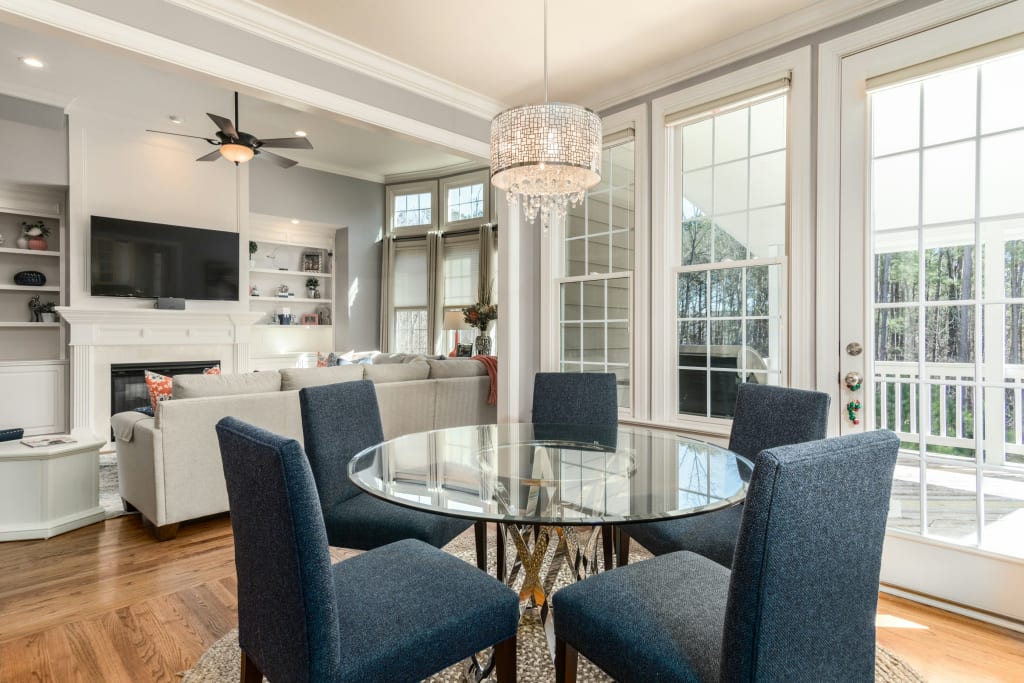
Home remodeling is a common way for Baltimore homeowners to adapt older houses to modern living needs while preserving the city’s distinctive architectural character. From historic rowhouses to mid-century suburban homes, remodeling projects in Baltimore often involve a balance between structural realities, local regulations, and neighborhood aesthetics.
Housing Stock and Architectural Style
Much of Baltimore’s housing stock dates back to the late 19th and early 20th centuries. Rowhouses dominate many neighborhoods, particularly in areas such as Federal Hill, Canton, Hampden, and Bolton Hill. These homes often feature solid masonry construction, narrow layouts, and original details such as plaster walls, hardwood floors, and decorative trim.
Remodeling older homes frequently requires addressing outdated systems. Electrical wiring, plumbing, and insulation may not meet current standards, making upgrades a practical necessity rather than a cosmetic choice. In contrast, homes built after World War II—more common in outer neighborhoods—may offer more flexibility in layout but still benefit from modernization.
Permits and Local Regulations
Baltimore City requires permits for many remodeling projects, particularly those involving structural changes, electrical work, plumbing, or mechanical systems. The Department of Housing & Community Development oversees permitting and inspections. Homeowners in historic districts face additional requirements, especially when exterior changes are involved.
Understanding local zoning rules is also important. Some neighborhoods restrict building height, additions, or changes to property use. These regulations can affect projects such as rear additions, rooftop decks, or basement conversions.
Common Remodeling Projects
Certain remodeling projects are especially common in Baltimore homes:
- Kitchen renovations: Often focused on improving functionality in compact spaces while retaining original architectural elements.
- Bathroom updates: Older homes may have limited bathrooms, leading homeowners to add or expand them.
- Basement finishing: Many Baltimore rowhouses have unfinished basements that can be converted into usable living space, though moisture control is a frequent concern.
- Energy efficiency upgrades: Improving insulation, replacing windows, and upgrading HVAC systems can help reduce energy costs in older buildings.
Structural and Environmental Challenges
Home remodeling Baltimore often involves addressing issues related to age and environment. Brick rowhouses can experience foundation settling or masonry deterioration over time. Proper moisture management is also essential, particularly in basements and crawl spaces.
Lead paint and asbestos may be present in homes built before 1978, requiring careful handling during renovation. While these materials are manageable, they add complexity and cost to remodeling projects and must be addressed according to safety regulations.
Cost Factors
The cost of remodeling in Baltimore varies widely depending on the scope of work, neighborhood, and condition of the home. Older houses may conceal problems that are not visible until construction begins, such as deteriorated framing or outdated infrastructure. These hidden issues can influence timelines and budgets.
Urban locations can also affect logistics. Limited parking, narrow streets, and shared walls between rowhouses may complicate material delivery and construction access.
Neighborhood Character and Community Impact
Many Baltimore neighborhoods place a strong value on preserving their character. Even interior remodeling choices are often influenced by the desire to maintain a home’s original feel. Externally, changes such as window replacements, façade alterations, or additions are often designed to blend with surrounding homes.
Remodeling can also contribute to neighborhood revitalization. Well-maintained homes help stabilize communities and support long-term housing sustainability without large-scale redevelopment.
Planning and Long-Term Use
Successful remodeling projects typically begin with careful planning. Homeowners often consider not only immediate needs but also how the space may be used in the future. Aging in place, rental potential, and resale value are common factors in decision-making.
In Baltimore, where housing styles and conditions vary block by block, remodeling is rarely a one-size-fits-all process. Each project reflects the unique combination of the home’s history, the homeowner’s goals, and the city’s regulatory and architectural landscape.
Conclusion
Home remodeling in Baltimore is shaped by the city’s historic architecture, regulatory environment, and practical housing needs. Projects often involve more than surface-level changes, requiring attention to structure, safety, and long-term performance.
By understanding local building conditions, environmental factors, and permitting requirements, homeowners can make informed decisions about updating their homes. Thoughtful remodeling allows Baltimore’s older houses to remain functional and relevant while preserving the character that defines the city’s neighborhoods.
About the Creator
jiya
I'm Jiya Jim, and I'm passionate about writing engaging content for businesses & contributing!
The Basics of Successful Property Renovation Projects.
Property renovation is a cornerstone of real estate development, especially in markets with distressed or foreclosed homes. In cities across the country—from rapidly growing metros to legacy industrial hubs—renovation plays a vital role in revitalizing housing stock and meeting buyer demand. Successful renovation projects require careful planning, disciplined execution, and proactive management to maximize value and ensure the property meets modern buyer expectations. When approached strategically, renovation transforms underutilized properties into desirable homes while strengthening communities and generating strong financial returns.
By JB Hoover, Newport Beach6 days ago in Lifehack
Are LED downlights better than halogen for kitchens
When planning a kitchen, bathroom, or full home renovation in Sydney, lighting is one of those details that quietly decides whether the space feels amazing—or just “okay.” Cabinets can be beautiful, stone benchtops can look like art, but if the lighting is wrong, the whole kitchen suddenly feels flat.
By John Zhangabout 20 hours ago in Lifehack


Comments
There are no comments for this story
Be the first to respond and start the conversation.