

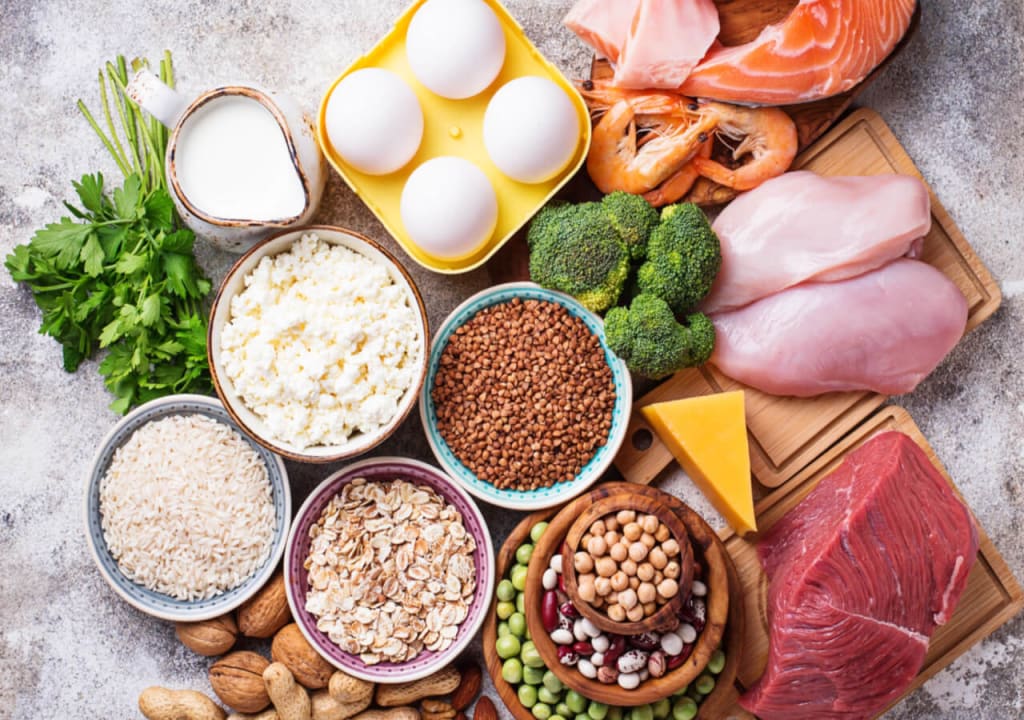
Calories are a unit of measurement for energy in food. They are used to determine the amount of energy that a person can obtain from consuming a certain food. Foods that are high in calories tend to provide more energy, which can be stored as fat if not burned off through physical activity. On the other hand, foods that are low in calories are less energy-dense and provide fewer calories per serving.

Foods high in fat, sugar, and refined carbohydrates tend to be high in calories. These foods are often heavily processed and lack important nutrients, making them less nutritious overall. Examples of high-calorie foods include:
- Fried foods (e.g. french fries, fried chicken)
- Sweets (e.g. candy, cookies, ice cream)
- Snacks (e.g. chips, crackers, pretzels)
- Baked goods (e.g. cakes, pastries, doughnuts)
- Alcoholic beverages (e.g. beer, wine, cocktails)
Foods that are high in fiber, protein, and complex carbohydrates tend to be lower in calories. These foods are often more nutrient-dense and can help to promote feelings of fullness and satisfaction, making it easier to control caloric intake. Examples of low-calorie foods include:
- Fruits (e.g. apples, berries, citrus fruits)
- Vegetables (e.g. leafy greens, carrots, cucumbers)
- Whole grains (e.g. brown rice, whole-grain bread, quinoa)
- Lean protein sources (e.g. chicken, fish, tofu)
- Legumes (e.g. lentils, beans, chickpeas)
It's important to remember that portion size and frequency of consumption play a significant role in determining caloric intake. Consuming larger portions or eating high-calorie foods more frequently can contribute to weight gain and other health problems.

High-calorie foods are foods that contain a large amount of calories per serving. These foods are typically high in fat and carbohydrates, which are both dense sources of energy. Some common examples of high-calorie foods include oils, butter, cheese, nuts, fatty meats, candy, baked goods, and fast food.
While consuming high-calorie foods in moderation can help provide the body with the energy it needs, consuming too many of these foods on a regular basis can lead to weight gain and other health problems. For example, a diet that is high in calories but low in nutrients can increase the risk of heart disease, high blood pressure, and other chronic conditions.
On the other hand, high-calorie foods can also be beneficial for people who are trying to gain weight, such as athletes in training or underweight individuals. For these individuals, a diet that is high in calories can help them build muscle mass and provide the energy they need to perform at their best.
It's important to note that not all high-calorie foods are created equal. Some high-calorie foods are nutritious and provide the body with essential nutrients, while others are empty calories that offer little nutritional value. To maintain a healthy diet, it's important to focus on consuming high-calorie foods that are also nutrient-dense, such as fruits, vegetables, whole grains, lean proteins, and healthy fats.

Macronutrients are the three main components of food that provide energy to the body: carbohydrates, proteins, and fats.
Carbohydrates: High-carbohydrate foods, such as bread, pasta, rice, and potatoes, are often high in calories. These foods are quickly converted into glucose in the body, which provides a quick burst of energy. However, consuming too many high-carbohydrate foods can lead to weight gain, as excess glucose is stored in the body as fat.
Proteins: High-protein foods, such as meat, poultry, fish, eggs, and dairy products, are also dense sources of energy. Proteins are slower to digest than carbohydrates, which can help regulate blood sugar levels and provide sustained energy.
Fats: High-fat foods, such as oils, butter, cheese, and nuts, are the most calorie-dense macronutrient. Fats are necessary for good health, but consuming too much can contribute to weight gain and increase the risk of chronic health problems.
In addition to macronutrients, high-calorie foods can also be high in added sugars, which are a source of empty calories that provide little nutritional value. Examples of high-sugar foods include candy, soda, and baked goods.
In conclusion, while high-calorie foods can provide the body with the energy it needs, it's important to consume them in moderation and choose nutrient-dense options. A balanced diet that includes a variety of fruits, vegetables, whole grains, lean proteins, and healthy fats can help provide the body with the energy and nutrients it needs while reducing the risk of chronic health problems
About the Creator
yogesh
Welcome to my channel!
I am a vocal media professional with a passion for storytelling and a talent for bringing words to life. I specialize in voiceovers , I'm dedicated to providing high-quality content that will entertain my listeners.




Comments
There are no comments for this story
Be the first to respond and start the conversation.