
Heart-Healthy Diet: What You Need to Know for Optimal Cardiovascular Health
Tips and Strategies for Following a Heart-Healthy Diet

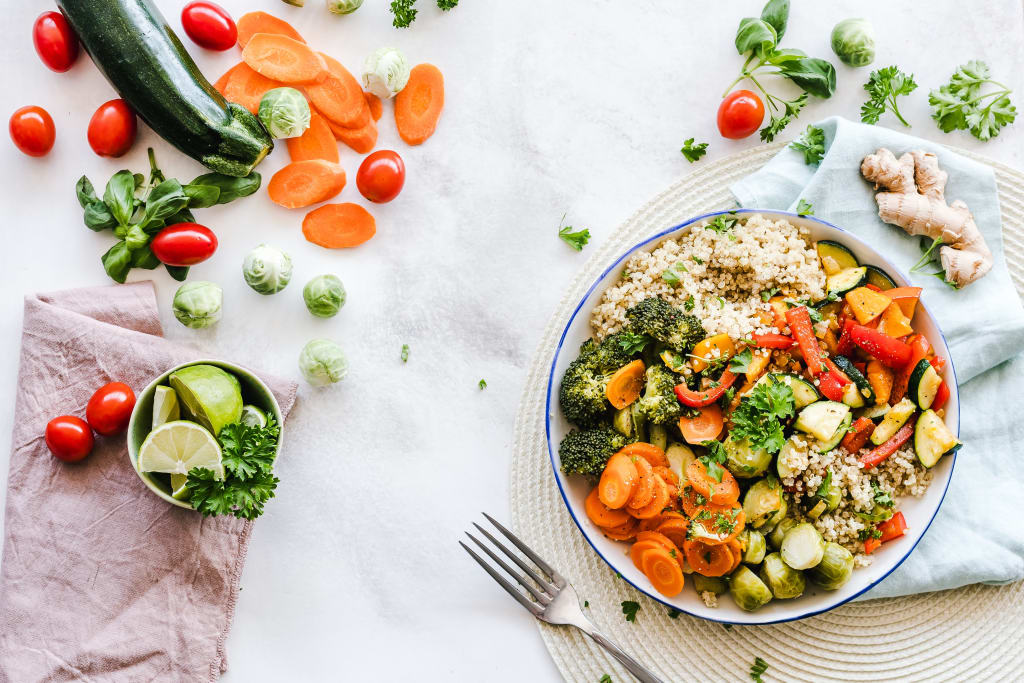
The human heart is an incredible organ that pumps blood throughout our body, keeping us alive and well. However, heart disease is the leading cause of death worldwide, so it's crucial to take good care of our hearts. One of the best ways to do this is by maintaining a heart-healthy diet. In this article, we'll discuss what a heart-healthy diet is, why it's important, and provide practical tips on how to follow one.
What is a Heart-Healthy Diet?
A heart-healthy diet is one that promotes optimal cardiovascular health. It typically includes plenty of fruits, vegetables, whole grains, lean protein sources, and healthy fats. It's also low in saturated and trans fats, sodium, added sugars, and refined carbohydrates. In essence, a heart-healthy diet is one that's rich in nutrients and minimizes harmful substances that can contribute to heart disease.
Foods to Include in a Heart-Healthy Diet
Fruits and vegetables: Aim for at least 5 servings of colorful fruits and vegetables daily. They're rich in vitamins, minerals, and antioxidants that can reduce inflammation and improve heart health.
Whole grains: Choose whole grains such as brown rice, quinoa, and whole-wheat bread over refined grains like white rice and white bread. Whole grains are rich in fiber, which can lower cholesterol levels and reduce the risk of heart disease.
Lean protein sources: opt for lean protein sources such as skinless chicken, fish, beans, and lentils. They're lower in saturated fat than red meat and can help reduce cholesterol levels.
Healthy fats: Choose unsaturated fats such as olive oil, avocados, nuts, and seeds over saturated and trans fats. Unsaturated fats can lower cholesterol levels and reduce the risk of heart disease.
Foods to Limit or Avoid in a Heart-Healthy Diet
Saturated and trans fats: Limit intake of saturated and trans fats found in red meat, full-fat dairy products, fried foods, and baked goods. These fats can raise cholesterol levels and increase the risk of heart disease.
Sodium: Limit intake of sodium found in processed foods, canned foods, and restaurant meals. Too much sodium can raise blood pressure and increase the risk of heart disease.
Added sugars: Limit intake of added sugars found in soda, candy, and desserts. Added sugars can increase the risk of obesity, diabetes, and heart disease.
Refined carbohydrates: Limit intake of refined carbohydrates such as white bread, white rice, and pasta. They're low in nutrients and can increase blood sugar levels and the risk of heart disease.
Why is a Heart-Healthy Diet Important?
A heart-healthy diet can help prevent and manage various risk factors for heart disease, including high blood pressure, high cholesterol levels, obesity, and diabetes. It can also reduce inflammation and improve overall cardiovascular health. By following a heart-healthy diet, you can lower your risk of heart disease and enjoy better health and quality of life.
Tips for Following a Heart-Healthy Diet
- Plan meals ahead of time and make a grocery list to ensure you have healthy foods on hand.
- Cook at home more often and limit eating out, as restaurant meals tend to be higher in sodium, saturated fats, and added sugars.
- Choose plant-based protein sources such as beans, lentils, and tofu more often than red meat.
- Use herbs and spices to add flavor to meals instead of salt.
- Choose whole fruits over fruit juice, which can be high in added sugars.
- opt for whole grains instead of refined grains, and choose brown rice instead of white rice.
- Read food labels and choose foods that are choose low-fat dairy products such as skim milk and yogurt instead of full-fat options.
- Use healthy fats such as olive oil, avocados, nuts, and seeds in cooking and meal preparation.
- Limit portion sizes and avoid overeating, which can contribute to weight gain and other risk factors for heart disease.
- Stay hydrated by drinking plenty of water and limiting sugary drinks.
Conclusion
Maintaining a heart-healthy diet is essential for optimal cardiovascular health. By including plenty of fruits, vegetables, whole grains, lean protein sources, and healthy fats while limiting saturated and trans fats, sodium, added sugars, and refined carbohydrates, you can lower your risk of heart disease and enjoy better health and quality of life. By following the tips outlined in this article, you can make practical changes to your diet that will benefit your heart and overall health.
FAQs
- What are some heart-healthy snack options?
- Some heart-healthy snack options include fresh fruit, vegetables with hummus or yogurt dip, nuts or seeds, and air-popped popcorn.
2. Can I still eat meat on a heart-healthy diet?
- Yes, you can still eat meat on a heart-healthy diet, but it's best to choose lean protein sources such as skinless chicken, fish, and plant-based protein sources like beans and lentils.
3. Is it necessary to avoid all added sugars on a heart-healthy diet?
- It's not necessary to avoid all added sugars, but it's best to limit them and choose whole fruits over fruit juice, which can be high in added sugars.
4. Are all fats bad for my heart?
- No, not all fats are bad for your heart. Healthy fats such as unsaturated fats found in olive oil, avocados, nuts, and seeds can actually benefit your heart health.
5.How much water should I drink to maintain optimal cardiovascular health?
- It's recommended to drink at least 8 cups of water per day to maintain optimal cardiovascular health.
About the Creator
Keep reading
More stories from Sri Piragas and writers in Lifehack and other communities.
Weight Loss • Anti-Obesity Medication
Losing weight can be a arduous assignment for abounding individuals. While there are assorted means to accomplish weight loss, anti-obesity medication is one advantage that has acquired acceptance in contempo years. In this article, we will altercate what anti-obesity medication is, how it works, its effectiveness, and abeyant ancillary effects. We will additionally awning the altered types of anti-obesity medication and what to accede afore chief if it's the appropriate advantage for you.
By Sri Piragas 3 years ago in Lifehack
Yoga Brisbane and the Rise of Consistent Practice in a High-Pressure City
Brisbane has changed significantly over the past decade. Once seen as a slower-paced alternative to Australia’s larger capitals, the city now carries many of the same pressures found elsewhere: demanding workloads, blurred boundaries between professional and personal time, constant connectivity, and a strong expectation to keep moving forward. In this environment, wellbeing has shifted from an abstract ideal to a practical concern. For many residents, Yoga Brisbane has become less about novelty or fitness trends and more about building consistency in a city that rarely slows down.
By Rochelle Martinez2 days ago in Lifehack
Restaurant POS System Made Simple: Understanding POS System Meaning in Real Life
When operating a restaurant, it is much more than just cooking great food. Managing the flow of orders in addition to accurate tracking of food and beverage products utilized, in order for your guests to have an enjoyable dining experience. All of this can be done efficiently and accurately through a Restaurant Point Of Sale (POS) System. To truly understand the potential advantages to an establishment, it is helpful to obtain a firm understanding of the Definition of a POS System, and how it fits into the Restaurant Inventory Management Systems that help restaurants manage daily operational activities.
By Abdul Ahadabout 3 hours ago in Lifehack




Comments (1)
very nice... also visit my blogs and support me.. thank you!!