
he Hidden Secrets Behind the UK’s Quality of Life
Discover how culture, balance, and community make life in the UK one of the most fulfilling in the world.


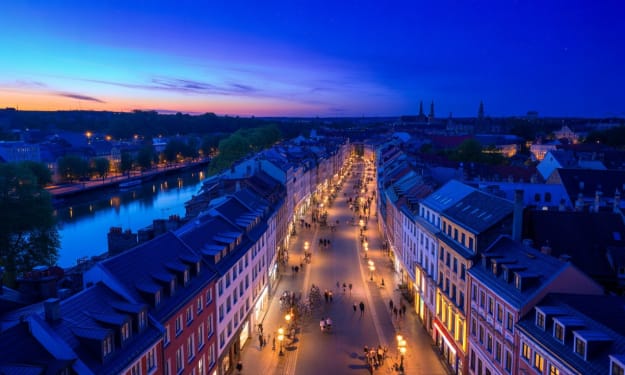
Walking through the streets of London on a crisp morning, it’s hard not to notice the rhythm of life. People sip coffee in cozy cafés, students hurry along the sidewalks with books in hand, and neighbors exchange friendly greetings as they walk their dogs. It’s a scene that feels both vibrant and calm—a subtle balance that many countries aspire to but few achieve. For those curious about the secret behind the UK’s high quality of life, the answer is as much cultural as it is structural.
The United Kingdom has long been admired for its combination of tradition and modernity. Its cities and towns provide residents with a lifestyle that prioritizes both well-being and opportunity, creating an environment where people can thrive. But what makes life in the UK so appealing?
Work-Life Balance: Finding Time to Live
One of the most striking aspects of life in the UK is the emphasis on work-life balance. Unlike countries where long work hours dominate, the UK encourages employees to maintain a healthy separation between professional and personal life. Paid leave policies, flexible working arrangements, and cultural norms that respect personal time all contribute to a society where people are not defined solely by their jobs.
This balance allows residents to enjoy weekends exploring parks, attending cultural events, or simply spending time with family. The focus isn’t just on making money—it’s about making life enjoyable.
Healthcare and Social Support
A major contributor to the UK’s quality of life is its healthcare system. The National Health Service (NHS) provides access to medical care for all residents, reducing the stress of unexpected medical expenses. Knowing that health concerns will not become a financial burden allows people to focus on living fully rather than worrying about the cost of care.
Additionally, social support programs, from childcare assistance to pensions, provide stability that enhances everyday life. These systems create a sense of security that is often taken for granted but plays a critical role in overall happiness.
Education and Lifelong Learning
Education is another pillar of life in the UK. Schools are well-structured, and higher education is accessible, fostering both personal and professional development. Beyond formal education, the UK encourages lifelong learning through libraries, community courses, and cultural institutions. Residents are given the tools to grow intellectually and creatively throughout their lives, contributing to a more engaged and fulfilled society.
Culture and Community
Life in the UK is also shaped by rich cultural traditions and community life. From music festivals and theater performances to local fairs and markets, people are encouraged to participate in shared experiences that strengthen social bonds. Pubs, cafés, and parks aren’t just spaces for leisure—they are places where relationships are built and maintained.
Even in bustling cities like London or Manchester, community cohesion remains strong. Neighborhoods foster a sense of belonging, and residents often feel a personal connection to the place they call home. This cultural emphasis on both individual freedom and collective experience enhances well-being in ways that go beyond material wealth.
Urban Design and Nature
The UK’s urban planning contributes significantly to quality of life. Cities are designed with walkability and accessibility in mind, allowing residents to commute efficiently while still enjoying public spaces. Parks, gardens, and green belts provide a natural escape within urban environments, offering opportunities for exercise, reflection, and recreation.
Rural areas and smaller towns further complement this lifestyle. Access to nature is embedded in daily life, making outdoor activities like hiking, cycling, or simply walking along scenic trails a normal part of living in the UK. This connection to nature has been linked to reduced stress and higher overall happiness.
Healthy Living and Mindful Habits
British residents often integrate health-conscious habits naturally into daily life. Walking or cycling as transportation, enjoying fresh and seasonal foods, and taking part in outdoor recreational activities are common. Unlike the extreme focus on dieting or gym culture found elsewhere, these habits are part of a balanced, sustainable lifestyle.
Additionally, mindfulness is increasingly embraced, whether through yoga, meditation, or simply taking time to relax with a cup of tea in the afternoon. This focus on mental and emotional well-being complements the physical aspects of health, creating a holistic approach to living well.
Lessons for the World
The UK’s approach to quality of life teaches us that happiness is not just about wealth, status, or consumption. It’s about balance, security, and the ability to enjoy each day fully. Other countries can learn from this model: investing in education, healthcare, community spaces, and policies that respect personal time can transform how people experience life.
The Real Secret
Ultimately, the secret behind the UK’s quality of life lies in its combination of support, culture, and balance. It’s a society that values well-being as much as ambition, and relationships as much as achievement. Residents live in a space that encourages growth, connection, and contentment—a reminder that a good life is built not just on opportunity, but on the freedom to enjoy it.
As people around the world seek ways to improve their daily lives, the UK offers a blueprint: invest in people, nurture community, and never underestimate the power of balance. In this harmony, one finds not just comfort, but true quality of life.
About the Creator
Jack Nod
Real stories with heart and fire—meant to inspire, heal, and awaken. If it moves you, read it. If it lifts you, share it. Tips and pledges fuel the journey. Follow for more truth, growth, and power. ✍️🔥✨
I Quit LinkedIn — Here’s Why Smart Entrepreneurs Are Leaving
It was a Tuesday morning, right around 8:30 AM, when I finally snapped. I was sitting at my kitchen table, nursing my first cup of coffee, mindlessly scrolling on my phone. I stopped on a post from a guy I used to know a few years back.
By John Arthor4 days ago in Lifehack
Becca
"Everything is so... flat." Denille said stupidly as she looked around her new neighborhood. She looked around at the muted desert where even the smallest sign of life seemed to have given up. The plant life was shrubs that were half cooked by the heat and where there should have been a lawn, a mess of white rocks laid glistening in the sun. Even the sky looked stretched thin, like the sun had ironed it smooth. She’d moved from Riverside, where at least there were hills, but here in Barstow, everything felt baked and brittle.
By Sara Wilson7 days ago in Fiction


Comments
There are no comments for this story
Be the first to respond and start the conversation.