
Hair Dyes: A Comprehensive Guide to Colouring Your Hair
Embrace the Colors of Life


Introduction: Embrace the colours of Life
Are you tired of your natural hair colour and looking for a change? Hair dyes are the perfect solution to transform your appearance and express your unique style. Whether you want to cover grays, experiment with bold shades, or simply add dimension to your locks, hair dye offers endless possibilities. This comprehensive guide will walk you through everything you need to know about hair dyes, from the basics to advanced techniques. Get ready to unleash your creativity and embark on a colourful hair journey.
Hair Dyes: What Are They and How Do They Work?
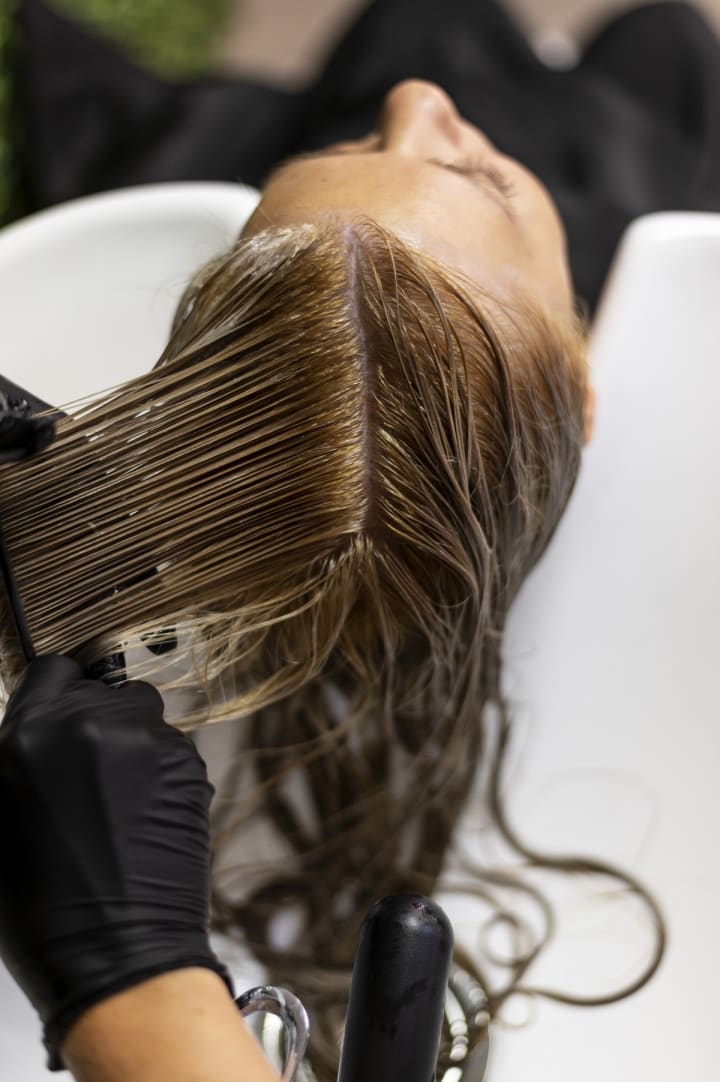
What are Hair Dyes?
Hair dyes are cosmetic products designed to alter the colour of your hair. They contain various chemical compounds that penetrate the hair shaft and deposit colour pigments, resulting in a vibrant and noticeable transformation.
How Do Hair Dyes Work?
Hair dyes work by opening the cuticle, the outer protective layer of the hair shaft, allowing the colour molecules to penetrate the cortex—the inner layer of the hair. Once inside the cortex, the colour molecules interact with the hair's natural pigment, either by replacing it or blending with it, to create the desired colour.
Types of Hair Dyes
Hair dyes come in different formulations, each offering unique benefits and effects. Here are some common types of hair dyes:
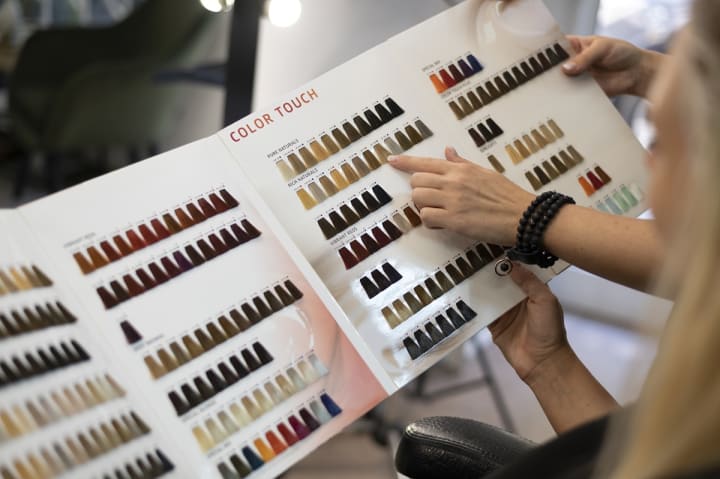
Permanent Hair Dyes: These dyes provide long-lasting colour and cover grays effectively. They contain oxidative dyes that react with hydrogen peroxide to create a chemical reaction, resulting in permanent colour.
Semi-Permanent Hair Dyes: Ideal for those seeking temporary colour changes, semi-permanent hair dyes do not penetrate the hair cortex. Instead, they coat the hair shaft and gradually fade after several washes.
Temporary Hair Dyes: If you're looking for a fun and short-lived hair colour transformation, temporary hair dyes are the way to go. These dyes do not penetrate the hair shaft and can be easily washed out with regular shampooing.
Natural Hair Dyes: For those concerned about harsh chemicals, natural hair dyes offer a more eco-friendly and gentle alternative. Made from plant-based ingredients, such as henna and indigo, they provide a range of colours while nourishing the hair.
The Science Behind Colour Selection
Choosing the right hair colour is crucial to achieving the desired look. The colour wheel, a tool used by hairstylists, can guide you in selecting complementary or contrasting shades. Here's a quick breakdown:
Complementary colours: These colours are opposite each other on the colour wheel. For example, if you have warm-toned skin, cool hair colours like ash blonde or platinum can create a striking contrast.
Analogous colours: Analogous colours are adjacent to each other on the colour wheel. They offer a harmonious and blended effect. For instance, if you have cool-toned skin, shades like honey blonde or caramel can enhance your natural complexion.
Contrasting colours: Contrasting colours create a bold and eye-catching look. If you're feeling adventurous, try pairing warm skin tones with cool hair colours or vice versa.
How to Choose the Right Hair Dye for Your Hair Type
Consider Your Hair Type
When selecting a hair dye, it's essential to consider your hair type and condition. Different hair types may respond differently to various dyes. Here's a breakdown of hair types and suitable hair dye options:
Fine Hair: Fine hair tends to be more fragile and can be prone to damage. Opt for gentle and ammonia-free hair dyes to minimize potential harm.
Thick Hair: Thick hair can handle more intense colour formulations. Consider vibrant and long-lasting dyes that can fully saturate the hair shaft.
Curly Hair: Curly hair requires extra moisture and care. Look for hair dyes with conditioning properties to keep your curls healthy and vibrant.
Damaged Hair: If your hair is damaged or over-processed, it's crucial to prioritize hair health. Choose nourishing and restorative hair dyes to revive and rejuvenate your locks.
Determine Your Hair's Porosity
Hair porosity refers to how well your hair absorbs and holds moisture. It plays a significant role in hair dye absorption and colour retention. Understanding your hair's porosity can help you choose the right dye and achieve desired results. Here are three categories of hair porosity:
Low Porosity: Low porosity hair has a tightly closed cuticle, making it resistant to moisture and colour absorption. Consider using heat or alkaline-based dyes to open the cuticle and allow better penetration.
Medium Porosity: Medium porosity hair strikes a balance between low and high porosity. It typically responds well to a wide range of hair dyes.
High Porosity: High porosity hair has a damaged or overly porous cuticle, which causes it to absorb colour quickly but fade rapidly. Opt for long-lasting and deeply conditioning hair dyes to maintain vibrant colour.
Patch Test: Why It's Important
Before diving into a full hair dye application, it's crucial to perform a patch test to check for potential allergies or adverse reactions. Here's how to do it:
Choose a small area behind your ear or on your inner elbow.
Apply a small amount of the hair dye mixture and leave it on for 24-48 hours.
If you experience any redness, itching, or irritation, refrain from using the dye and consult a healthcare professional.
Remember, safety should always be a priority when experimenting with hair dyes.
FAQs About Hair Dyes
FAQ 1: Can I dye my hair at home, or should I go to a salon?
Dyeing your hair at home or going to a salon depends on your comfort level and the complexity of the desired colour change. If you're opting for a drastic change or unsure about the process, it's best to seek professional assistance at a salon. However, for more straightforward colour applications, many people successfully dye their hair at home.
FAQ 2: How long does hair dye typically last?
The longevity of hair dye depends on various factors, including the dye type, hair porosity, and maintenance routine. Permanent hair dyes can last up to six to eight weeks before requiring a touch-up, while semi-permanent and temporary dyes gradually fade with each wash.
FAQ 3: Can I dye my hair if it's already been chemically treated?
Yes, you can dye chemically treated hair; however, caution is necessary. Chemical treatments, such as relaxers or perms, can weaken the hair structure. It's crucial to use hair dyes specifically formulated for previously treated hair and prioritize hair health during the process.
FAQ 4: Will dyeing my hair cause damage?
Hair dyeing, especially with permanent dyes, can cause some damage to the hair. The chemicals present in the dye can open the cuticle and affect the hair's natural moisture balance. To minimize damage, opt for high-quality hair dyes and follow a proper hair care routine that includes deep conditioning and regular trims.
FAQ 5: How can I maintain the colour and health of my dyed hair?
To maintain the vibrancy and health of your dyed hair, consider the following tips:
- Use colour-safe and sulfate-free shampoos and conditioners.
- Minimize heat styling and protect your hair from excessive sun exposure.
- Deep condition your hair regularly to restore moisture and prevent damage.
- Schedule regular touch-ups to prevent visible roots or colour fading.
- Avoid overwashing your hair to preserve the colour and natural oils.
FAQ 6: Can I remove or change the colour if I'm unhappy with the results?
If you're unhappy with the results of your hair dye, there are options to remove or change the colour. Some techniques include colour correction, hair colour removers, or seeking professional help at a salon. However, it's essential to exercise caution and consult a hair care professional to avoid further damage.
Conclusion: Unleash Your Creativity with Hair Dyes
Hair dyes offer a world of possibilities when it comes to transforming your look and expressing your individuality. From permanent to temporary options, there's a hair dye formulation to suit every preference. By considering your hair type, and porosity, and conducting patch tests, you can ensure a successful and enjoyable hair colouring experience. Remember to prioritize hair health and maintenance to keep your dyed locks looking vibrant and beautiful. So go ahead, embrace the colours of life with confidence and style
About the Creator
Lily James
I am blessed with a funny gene that makes me enjoy life to the fullest.
Keep reading
More stories from Lily James and writers in Lifehack and other communities.
Men's Jewellery: Adding Style and Elegance to Masculine Fashion
Introduction Are you looking to elevate your fashion game? Look no further than men's jewellery! In this article, we delve into the world of men's jewellery, exploring the different types, styles, and trends that can add a touch of sophistication to your attire. From rings and bracelets to cufflinks and tie clips, discover how these accessories can effortlessly enhance your overall look. Whether you prefer a subtle and understated approach or a bold and eye-catching statement, men's jewellery offers a plethora of options to suit your personal style.
By Lily James3 years ago in Lifehack
DIY Herbal Remedies Anyone Can Make
There's something deeply satisfying about growing your own medicinal herbs. For centuries, our ancestors relied on backyard gardens not just for food, but for natural remedies that supported their health and well-being.
By Edward Smith5 days ago in Lifehack
Let's Nail A Cyberbully
Technology can make life easier, and usually everyone benefits from technological advances. However, this always means that the bad guys benefit as well, to the detriment of society as a whole. As social media became a thing, it gave rise to the cyberbully, a malicious person who uses social media and other technologies to harass their victims. However, while their attacks can be devastating to the right victims, usually those lacking self-confidence or who have been recently victimized, there are ways to deal with them and get back some of the peace you had prior to their attacks.
By Jamais Jochima day ago in Lifehack




Comments
There are no comments for this story
Be the first to respond and start the conversation.