
Gallstone Disease and Minimally Invasive Treatment Options: A Modern Approach to Gallbladder Health
Exploring Laparoscopic Cholecystectomy, Diagnostic Imaging, and ICD-10 Coding for Gallstones
Introduction
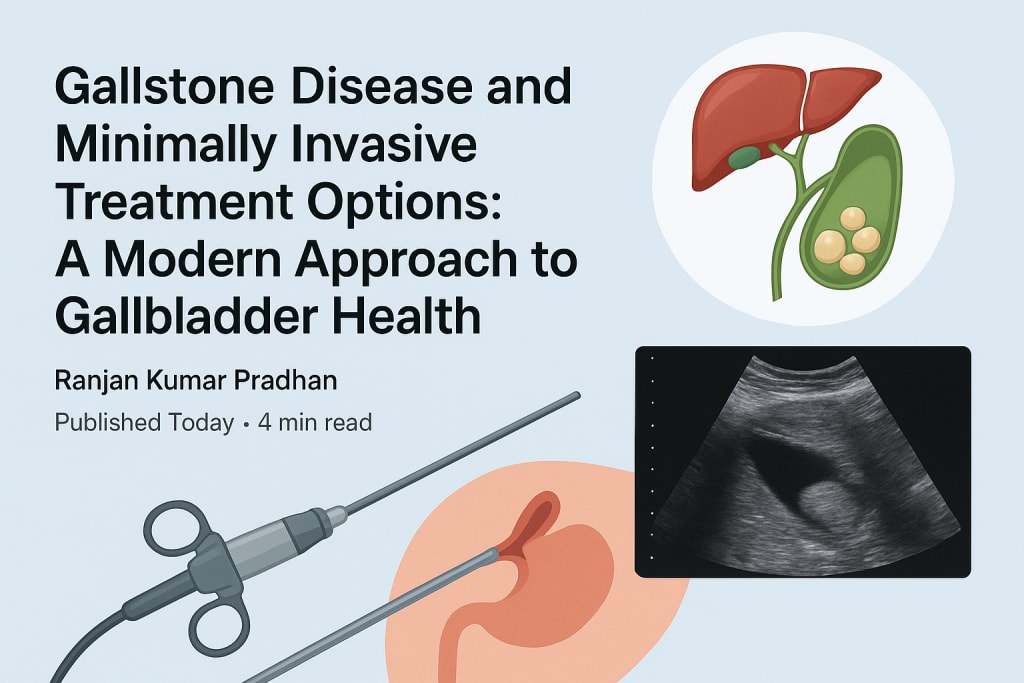
Gallstones are solid particles that form in the gallbladder, a small organ located beneath the liver. They can cause sudden and intense pain, digestive issues, and serious complications if left untreated. With advancements in medical technology, laparoscopic cholecystectomy has become the gold standard for treating gallstone disease. In this article, we explore the benefits of this minimally invasive surgery, the significance of diagnostic imaging in gallstone detection, and the ICD-10 coding involved in gallstone management.
Understanding Gallstones
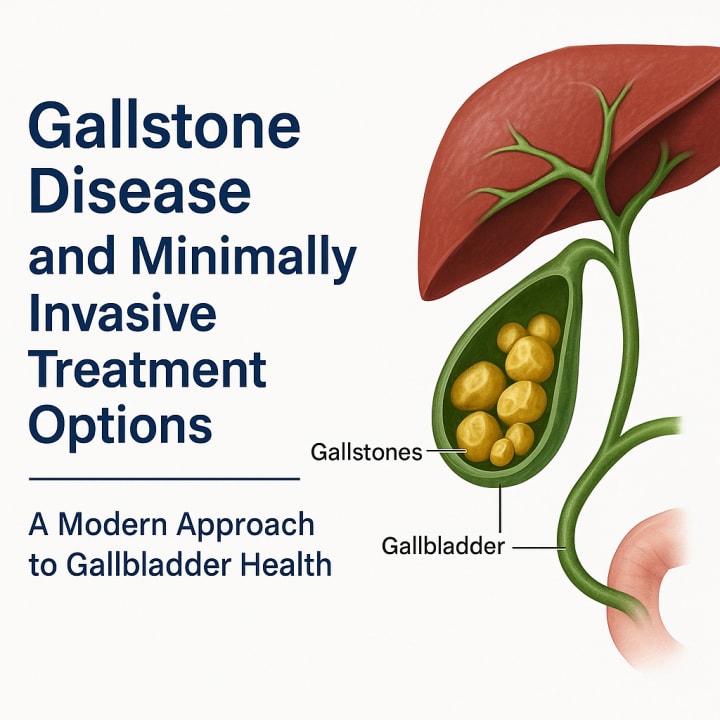
Gallstones, or cholelithiasis, are hardened deposits of digestive fluid—primarily cholesterol or bilirubin—that accumulate in the gallbladder. While some individuals remain asymptomatic, others may suffer from gallbladder attacks characterized by sharp pain in the upper abdomen, nausea, vomiting, or indigestion, especially after eating fatty meals. These symptoms result from a blockage in the bile ducts due to migrating stones.
Laparoscopic Cholecystectomy: The Preferred Treatment
Laparoscopic cholecystectomy is a minimally invasive surgery that removes the gallbladder through a few small incisions using a camera (laparoscope) and specialized surgical tools. It has largely replaced open surgery due to its faster recovery, lower risk of infection, and minimal scarring.
During the procedure, carbon dioxide gas inflates the abdomen for better visibility, and the surgeon removes the gallbladder while observing the internal organs on a video monitor. Patients typically go home the same day or the next and can resume normal activities within a week.
Benefits of Minimally Invasive Gallstone Treatment
- Short Hospital Stay: Most patients are discharged within 24 hours.
- Quick Recovery: Return to work and normal routine within a few days.
- Minimal Pain: Smaller incisions reduce post-operative discomfort.
- Low Complication Rate: Less risk of infection and bleeding compared to open surgery.
Diagnostic Imaging for Gallstones
Accurate diagnosis is critical to ensure effective treatment. The primary tools used include:
- Ultrasound: First-line imaging modality for detecting gallstones, with over 95% accuracy.
- CT Scan: Used to identify complications like gallbladder inflammation or perforation.
- MRCP (Magnetic Resonance Cholangiopancreatography): Non-invasive MRI-based scan for visualizing bile ducts and identifying any ductal stones.
- HIDA Scan: A functional scan used to assess gallbladder function and detect blockages.
Gallstone Size and Risk Assessment
Gallstones range in size from as small as a grain of sand to as large as a golf ball. The size and number of stones can influence the treatment plan. Larger stones or those lodged in bile ducts pose a greater risk for cholecystitis (inflammation) or pancreatitis, necessitating prompt surgical intervention.
ICD-10 Coding for Gallstones
Medical coding allows for accurate documentation, insurance billing, and research data collection. The ICD-10 code for gallstone disease begins with K80, followed by specific extensions:
- K80.0: Calculus of gallbladder with acute cholecystitis
- K80.1: Calculus of gallbladder with other cholecystitis
- K80.2: Calculus of gallbladder without cholecystitis
- K80.3–K80.5: Codes involving stones in the bile duct
Each code provides further detail about the presence of inflammation, obstruction, or infection, helping tailor the treatment plan and ensuring precise medical recordkeeping.
Coding Best Practices
- To ensure accuracy in documentation and reimbursement:
- Include imaging and lab reports confirming the diagnosis.
- Specify whether the cholecystitis is acute, chronic, or absent.
- Identify any biliary obstruction or complication.
- Use operative notes and pathology findings for final coding.
Conclusion
Gallstone disease is a common yet potentially serious condition that can be managed effectively through laparoscopic cholecystectomy, a minimally invasive and widely available surgical option. Proper diagnosis using imaging techniques and accurate ICD-10 coding are essential for comprehensive treatment and follow-up. Understanding the full scope—from symptoms to surgery to coding—empowers patients to make confident, informed decisions about their gallbladder health.
About the Creator
Ranjan Kumar Pradhan
Unleash your curiosity and dive into a realm of captivating wonders. Join me on a journey of knowledge, inspiration, and thought-provoking insights. Let's embark on an extraordinary adventure together.
Keep reading
More stories from Ranjan Kumar Pradhan and writers in Lifehack and other communities.
Psoriasis: Breakthrough Treatments, Mental Health Impact, and the Power of Precision Coding
Introduction Psoriasis, a chronic autoimmune condition affecting over 8 million Americans and 125 million globally, is far more than a superficial skin issue. Marked by inflamed, scaly patches, it intertwines physical agony with emotional distress, often leaving patients battling stigma and isolation. Yet, revolutionary biologic therapies and a shift toward holistic, patient-centered care are transforming outcomes. This article delves into psoriasis’s hidden complexities, explores cutting-edge treatments, and underscores how accurate ICD-10 medical coding drives advocacy and access to care.
By Ranjan Kumar Pradhan10 months ago in Lifehack
The Importance of Organized Nutrition for Better Health
Nutritional regulation and its importance for daily health Nutrition regulation is the arrangement of meals and foods we eat in a balanced way that suits the body's needs. Its goal is to provide the body with the necessary energy, strengthen the immune system, and maintain health
By Kawtar Aithammouabout 12 hours ago in Lifehack
Top 10 Questions to Ask Every Perth NDIS Service Before You Engage Them
Choosing the right National Disability Insurance Scheme (NDIS) provider shapes the quality of care, independence, and outcomes a participant experiences. In Perth, families and participants face a growing number of service options, which makes informed decision-making essential.
By Anshul Vijay2 days ago in Lifehack
Miss Persephone's Manual to a Seemingly Ordinary Life
Miss Persephone was found at the dining table, her blue eyes swollen, her tears arriving and retreating like the tides of the ocean. Earlier that day, her family had visited her in the retirement home where she had lived for eight years. It was her eightieth birthday.
By Imola Tóth4 days ago in Fiction




Comments
There are no comments for this story
Be the first to respond and start the conversation.