
Fruit Power: The Science Behind Nature's Energy Boosters
Nature's Energizers Revealed

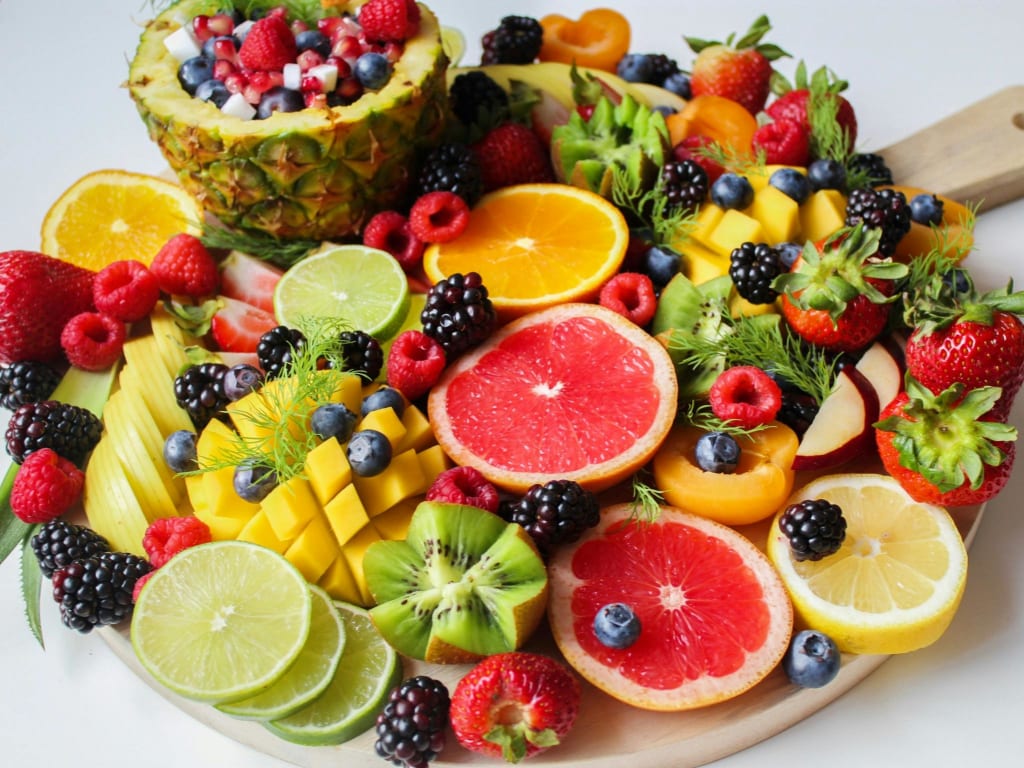
In our fast-paced world where energy drinks and coffee dominate the conversation about boosting stamina, nature offers its own powerful alternatives. Research shows that certain fruits provide not just calories, but complex energy-enhancing properties through their unique combinations of nutrients, fiber, and bioactive compounds. This scientific approach to understanding fruit-based energy can transform how we fuel our bodies throughout the day.
The Biochemistry of Fruit-Based Energy
The energy we derive from fruits comes from more than just their caloric content. It emerges from the interplay between carbohydrates, fiber, vitamins, and various bioactive compounds. When we consume fruits, their natural sugars provide immediate energy, while their fiber content helps regulate blood sugar levels for sustained vitality.
Research has shown that fruits containing balanced amounts of glucose, fructose, and sucrose alongside fiber create an optimal energy-release mechanism. This combination prevents the rapid spikes and crashes associated with processed sugars. For instance, when you eat an apple mid-afternoon, its approximately 95 calories coupled with 4 grams of fiber work together to provide a steady energy release that can last for hours.
Now, this might make you wonder—how exactly does this differ from consuming a candy bar or energy drink? The key distinction lies in the metabolic pathways. Whereas processed sugars flood the bloodstream quickly, the fiber in fruits slows digestion, creating a time-released energy effect. Additionally, fruits contain essential vitamins and minerals that support the metabolic processes required to convert food into usable energy.
Bananas: The Athlete's Power Source
When it comes to energy-boosting fruits, bananas stand at the forefront with substantial scientific backing. Their impressive nutritional profile makes them particularly effective for both immediate and sustained energy needs. Each medium banana contains approximately 105 calories, primarily from carbohydrates, alongside 422 mg of potassium and 3 grams of fiber.
Clinical research published in PLOS One has shown that bananas can be as effective as sports drinks for metabolic recovery following intense exercise. The study found that consuming bananas after 75 km of cycling helped attenuate metabolic disruption and inflammation comparable to sugar beverages. However, bananas offered additional health benefits through their unique mixture of nutrients and bioactive compounds like phenolics and carotenoids.
For everyday application, consider how a banana serves as the perfect pre-workout snack. Its combination of fast-acting carbohydrates and potassium—which supports proper muscle function—provides an ideal energy foundation. Many marathon runners rely on bananas during races precisely because they offer both quick energy and help prevent cramping through their mineral content. Have you ever noticed how bananas are often available at aid stations during endurance events? This isn't coincidental—it's science-based nutritional strategy.
Berry Benefits: Antioxidants and Energy Production
Berries represent another category of energy-boosting fruits, though they work through somewhat different mechanisms than bananas. Their energy enhancement comes primarily through their exceptional antioxidant content, which helps combat oxidative stress—a significant contributor to fatigue.
Dark-colored berries like blackberries and blueberries contain particularly high levels of anthocyanins and other polyphenols that help reduce inflammation in the body. When inflammation decreases, cellular energy production becomes more efficient. For example, 100 grams of strawberries provide nearly 5 grams of natural sugar with only 32 calories, alongside significant vitamin C content that has been clinically shown to reduce fatigue.
In real-world terms, adding a cup of mixed berries to your breakfast can help maintain energy levels throughout the morning. Many people who switch from sugary breakfast cereals to yogurt with berries report more consistent energy without the mid-morning crash. The relatively low glycemic impact of berries, combined with their anti-inflammatory properties, makes them particularly valuable for individuals dealing with chronic fatigue or inflammatory conditions.
The Avocado and Citrus Connection
Avocados represent a unique entry in the energy-boosting fruit category because they work primarily through their healthy fat content rather than carbohydrates. With approximately 234 calories per cup, avocados provide energy density along with 10 grams of fiber and 17 grams of primarily unsaturated fats.
The high fiber and healthy fat combination in avocados slows digestion significantly, creating an extended energy release that can last for hours. This makes avocados particularly valuable for maintaining cognitive performance during long work sessions. Many professionals who need sustained mental energy—like programmers or writers—find that including avocado in their lunch prevents the afternoon slump that often follows carbohydrate-heavy meals.
Citrus fruits complement this approach through a different mechanism—vitamin C's role in combating fatigue. A medium orange provides approximately 73 calories alongside 78% of the daily value for vitamin C. Research published in Antioxidants confirms that vitamin C helps reduce oxidative stress, which directly contributes to feelings of fatigue. Many people find that consuming an orange or grapefruit when feeling tired provides a noticeable energy boost within 30 minutes, without the jitters associated with caffeine.
Strategic Fruit Combinations for Maximum Energy
The most effective approach to fruit-based energy enhancement comes from strategic combinations that leverage different energy pathways simultaneously. By pairing quick-energy fruits with those offering sustained release, you can create balanced energy profiles that last for hours.
The science-backed Power Smoothie Bowl referenced in research combines bananas for immediate energy and potassium, avocado for healthy fats and sustained release, berries for antioxidants, and citrus for vitamin C. This multi-mechanism approach addresses energy production from several angles simultaneously. When consumed for breakfast, such combinations provide substantially longer energy duration than traditional high-carbohydrate options.
In practical application, many professionals have found that replacing their afternoon coffee with a small fruit plate containing banana slices, berries, and orange segments provides more consistent energy without disrupting sleep patterns. The combination works because it addresses multiple aspects of fatigue—from blood sugar regulation to oxidative stress reduction and electrolyte balance.
Does this suggest we should completely abandon other energy sources? Not necessarily. Rather, it shows how strategic fruit consumption can complement existing energy management approaches while providing additional health benefits.
Conclusion: Beyond Quick Fixes
The science of fruit-based energy represents a significant shift from the quick-fix mentality of modern energy solutions. Rather than simply providing a rapid stimulus like caffeine or simple sugars, fruits offer comprehensive energy support through multiple nutritional pathways. They deliver not just calories, but the complete package of compounds needed for efficient energy metabolism.
My personal observation after incorporating these principles has been that "fruit fatigue" simply doesn't exist in the way "caffeine fatigue" does. When relying on coffee or energy drinks, there's an inevitable diminishing return—requiring increasingly larger doses for the same effect. With fruit-based energy strategies, the body responds consistently over time without developing tolerance.
The broader implications extend beyond individual energy management to public health considerations. As chronic fatigue becomes increasingly prevalent in modern society, sustainable energy solutions become critically important. Fruit-based approaches offer a path that supports not just immediate energy needs but long-term metabolic health as well.
As we continue researching optimal human performance, how might our understanding of these natural energy pathways reshape our approach to daily nutrition? Perhaps the future of energy management lies not in novel supplements or formulations, but in rediscovering the complex wisdom contained within the fruits we've been eating for millennia.
About the Creator
Vital Tea
Herbal teas for modern wellness. ✨
We offer delicious herbal tea to support your health goals. Naturally caffeine-free and packed with goodness.
Explore Vital Tea today!
Hamptons Real Estate Prices Hit Record High as 2026 Summer Rentals in High Demand
The Hamptons, long synonymous with luxury, exclusivity, and summer getaways, has seen its real estate market soar to new heights in recent years. As we approach the summer of 2026, the area’s real estate prices are breaking records, and demand for vacation rentals has never been greater. While this trend is partly attributed to broader economic factors and changing work habits, it also signals an evolving landscape in the Hamptons real estate market that is shaping up to be one of the most competitive seasons in recent history.
By Ayesha Lashari4 days ago in Lifehack
Beyond the Stopwatch: How VO2 Max Testing Is Changing the Way People Measure Fitness
For decades, people have judged fitness using simple markers such as pace, distance, weight, or the number of calories displayed on a watch. These indicators still have value, yet they only show part of the picture. As training methods become more informed and accessible, many runners, cyclists, and everyday exercisers are looking deeper into how their bodies actually perform. One method gaining attention is vo2 max testing, a way of measuring how efficiently the body uses oxygen during exercise.
By Rochelle Martinez7 days ago in Lifehack




Comments
There are no comments for this story
Be the first to respond and start the conversation.