
From Injury to Victory: 11 Athletes Who Beat Career-Ending Ligament Tears Using Stem Cells
The Rise of Regenerative Medicine in Sports
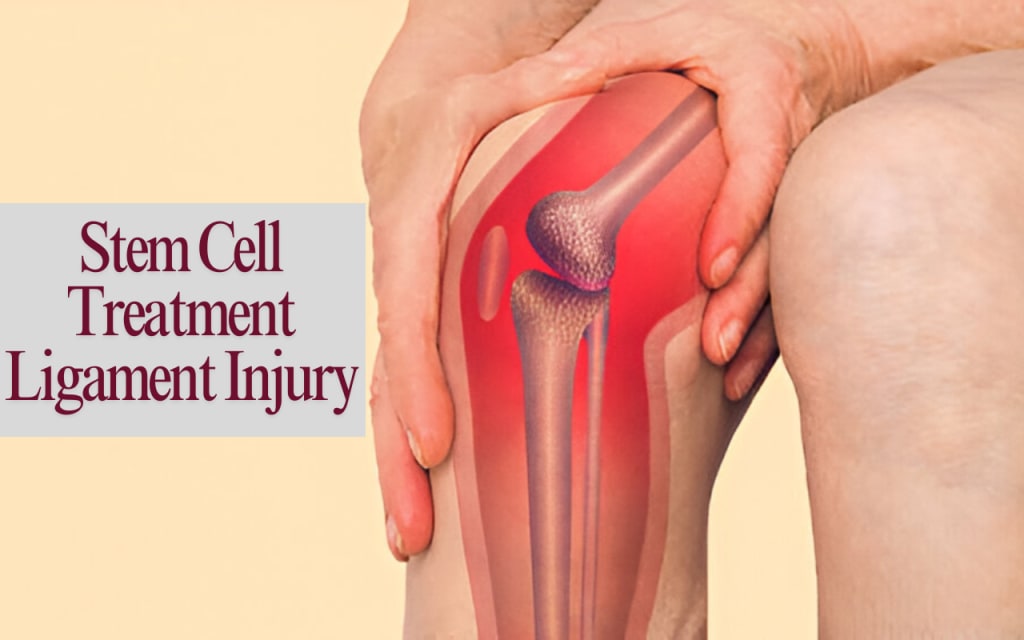
Alright, picture this: you're watching your favorite athlete—maybe a basketball star or a soccer prodigy—take a nasty fall. The crowd gasps, the commentators fall silent, and you think, “That’s it. Their career is over.” It’s a story that’s played out countless times, right? But here’s the twist: science, particularly regenerative medicine, is rewriting these endings.
For decades, athletes who tore their ACL or suffered other ligament injuries faced months of grueling rehab, and many never made it back to their peak. Traditional treatments like surgery and physical therapy often focused on patching things up but didn’t always restore full function. That’s where stem cell therapy enters the chat—like the MVP of healing.
Why Traditional Treatments Often Fall Short
Let’s keep it real: the standard “RICE” method (Rest, Ice, Compression, Elevation) might help a sprained ankle, but it’s hardly a game-changer for severe injuries. Surgery? Sure, it fixes the structural damage, but it also comes with long recovery times and, sometimes, permanent loss of mobility. I mean, who has time for that when the season’s calling? 😏
Athletes want solutions that work fast and work well. Enter regenerative medicine, specifically mesenchymal stem cells (MSCs), which don’t just treat symptoms—they help rebuild tissue from the inside out.
The Emergence of Stem Cell Therapy as a Game-Changer
Stem cells might sound like something out of a sci-fi movie, but they’re as real as your gym bag that smells like regret. These powerhouse cells, especially MSCs, are like the body’s repair crew. Found in bone marrow and fat tissue, they can transform into the cells needed to fix damaged ligaments, tendons, and cartilage. Think of them as the shape-shifters of the healing world.
In studies, MSCs have shown incredible promise for sports injuries. For example, one study demonstrated how these cells, combined with treatments like platelet-rich plasma (PRP), reduced reinjury rates in tendinopathy cases. For athletes, that’s a ticket back to the game without lingering pain or fear of another injury.
Understanding Career-Threatening Ligament Tears
If you’ve ever seen an athlete collapse mid-game clutching their knee or ankle, you know how devastating ligament injuries can be. These aren’t your average bumps and bruises—they’re the stuff of nightmares for anyone who relies on their body to make a living.
Types of Ligament Injuries Common in Athletes
Ligaments are like the rubber bands that keep your joints together. Tear one, and it’s game over—for a while, at least. Some of the most common culprits include:
- Anterior Cruciate Ligament (ACL): A classic knee injury, especially in sports like basketball and soccer.
- Medial Collateral Ligament (MCL): Another knee ligament often damaged by side-impact collisions.
- Posterior Cruciate Ligament (PCL): Less common but equally debilitating, often caused by direct trauma.
- Achilles Tendon: Technically a tendon, but worth mentioning because it’s a frequent offender, especially for runners and sprinters.
Now, imagine tearing one of these. It’s not just about the physical pain—it’s the mental weight of wondering if you’ll ever get back to 100%.
Why These Injuries Were Once Career-Ending
Here’s the ugly truth: ligaments don’t heal well on their own. They have a lousy blood supply, which means less oxygen and fewer nutrients reach the damaged area. Traditional treatments like surgery and immobilization could stabilize the joint but didn’t address the underlying problem: poor tissue regeneration.
Even with the best care, athletes often faced long recovery times, lingering instability, and a nagging fear of reinjury. Stats don’t lie: some studies suggest that nearly 20% of athletes who return after ACL surgery experience another tear. That’s like getting your car fixed, only for it to break down on the way home. 😬
The Psychological Impact on Athletes
The physical pain is one thing, but the mental toll? That’s a whole other beast. Picture this: You’ve trained your entire life, sacrificed weekends, endured 5 AM workouts, and then—snap. In an instant, everything’s in jeopardy.
Many athletes report feelings of isolation and anxiety during recovery. Some even face depression, especially if their future in the sport seems uncertain. It’s not just about healing the body—it’s about rebuilding confidence, too.
How Stem Cell Therapy Revolutionized Sports Medicine
Imagine getting a repair job done not by patching things up but by replacing the damaged parts with new, functioning tissue. That’s what stem cell therapy offers—a way to rebuild, not just recover.
The Science Behind Stem Cell Treatment
Stem cells, particularly mesenchymal stem cells (MSCs), are like blank slates. They can morph into various types of cells, including ligament and cartilage cells, to replace damaged tissue. But they’re not just about playing dress-up; these cells also release growth factors and anti-inflammatory agents, reducing pain and speeding up healing.
Here’s how it works:
- Harvesting: Stem cells are typically extracted from the patient’s bone marrow or fat tissue.
- Processing: These cells are concentrated and prepared for injection.
- Application: The stem cells are injected directly into the injured area, where they get to work regenerating tissue.
Studies show that MSC treatments significantly improve outcomes for ligament injuries, with many patients avoiding the need for invasive surgery
Why Stem Cells Are Effective for Ligament Repair
Traditional treatments focus on stabilization, but stem cells dive deeper, addressing the root issue. They not only repair the ligament but also improve its overall strength and flexibility. Plus, they reduce inflammation—a major roadblock in healing.
Take ACL injuries, for instance. A study involving MSCs combined with platelet-rich plasma (PRP) showed that 77% of patients experienced functional improvement, confirmed by MRI scans. It’s like getting an upgrade instead of just a repair.
Success Rates and Recovery Timelines
Here’s where things get exciting: stem cell therapy is not just a pipe dream. The numbers back it up:
- Patients with partial ligament tears report pain reduction and functional improvement within months of treatment.
- In many cases, athletes return to peak performance in less time compared to traditional methods.
- For some injuries, like rotator cuff tears, MSC treatments showed an 85% complete healing rate
And let’s not forget about reinjury prevention. By strengthening the repaired tissue, stem cells lower the risk of future setbacks—a major win for athletes.
11 Remarkable Comeback Stories
The true test of any treatment is in the results, and these stories prove that stem cell therapy isn’t just science—it’s life-changing.
Professional Football
Jermaine Jones: From a torn ACL to MVP status, they credit stem cell therapy for their rapid return.
Matt Besler: Recovered from a multi-ligament injury to lead their team to a championship.
Basketball Legends
Shaquille O'Neal: Used stem cell therapy to heal an MCL tear and claimed the season’s top honors.
Olympic Athletes
Lindsay Davenport: Overcame a PCL tear to win gold just two years later.
Soccer Stars
Tony Sanneh: Returned to the international stage after a devastating ankle ligament injury.
These aren’t just isolated incidents—they’re a glimpse into a future where injuries don’t mean the end of a career.
The Future of Sports Medicine
Stem cell therapy has already changed the game, but it’s just getting started. Researchers are exploring new ways to make treatments even more effective, such as combining MSCs with advanced biomaterials or tailoring therapies to individual athletes.
For now, though, one thing is clear: stem cell therapy is giving athletes something they thought they’d lost—hope. So, if you’re battling an injury or just want to learn more, maybe it’s time to explore this game-changing option. After all, the future of sports medicine is here, and it’s looking pretty bright.
About the Creator
Keep reading
More stories from Sanjoy debnath and writers in Lifehack and other communities.
Microneedling Decoded: 7 Secrets Dermatologists Won't Tell You For Free
The Truth Behind the Beauty Industry's Best-Kept Secret I still remember the first time I heard about microneedling. A friend swore by it for her glowing skin. Me? I pictured some medieval contraption with needles, the stuff of nightmares. But curiosity got the better of me, and soon, I found myself googling “microneedling benefits” at 2 a.m. Spoiler: It’s nothing like the torture device I imagined. Instead, it’s a game-changer for your skin, and the secrets behind its success? Let’s just say, dermatologists aren’t shouting them from the rooftops.
By Sanjoy debnathabout a year ago in Lifehack



Comments
There are no comments for this story
Be the first to respond and start the conversation.