
Florida Hurricane Milton: Power Meters as Essential Tools for Safeguarding Homes and Industries
Introduction
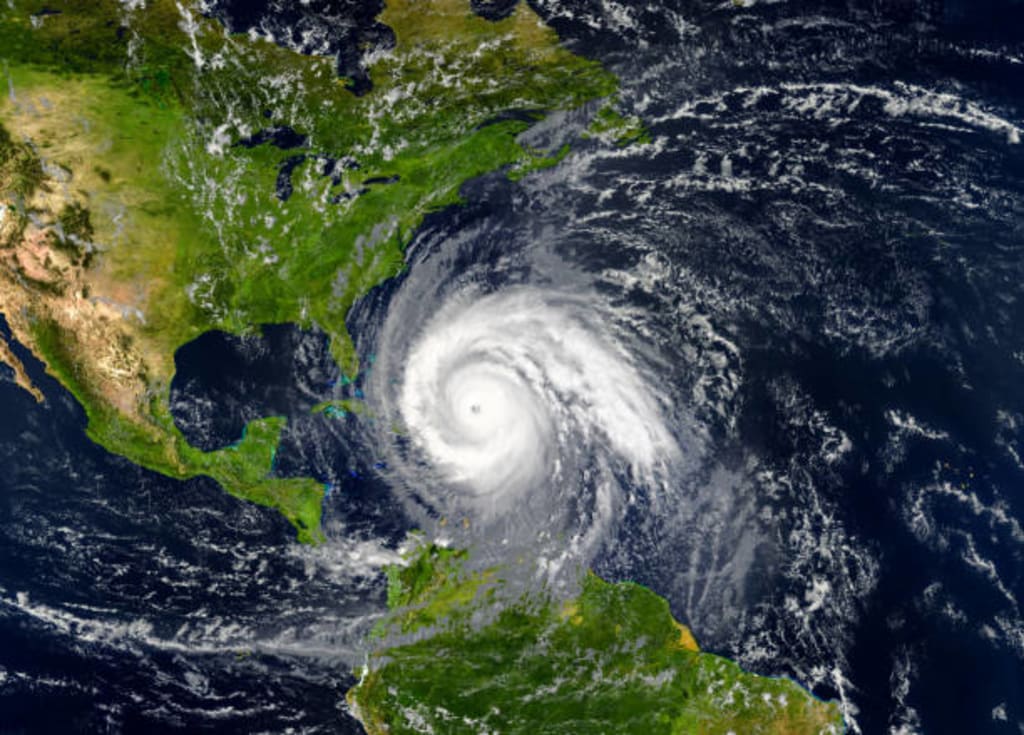
In October 2024, Florida faced yet another significant threat in the form of Hurricane Milton. As the hurricane neared, experts predicted potentially catastrophic damage to the state’s infrastructure, with homes and industries bracing for power outages, electrical surges, and grid failures. According to USA Today, President Biden urged Floridians to prepare for the worst as the storm approached, highlighting the need for resilient energy systems in times of crisis.
For both homeowners and industrial operators, hurricanes like Milton serve as reminders of how vulnerable power grids are to natural disasters. A reliable and robust energy management strategy is crucial not just for minimizing immediate damage but also for ensuring a quicker recovery once the storm has passed. In this regard, power meters play an essential role in monitoring, protecting, and optimizing electrical systems. Power meters are vital tools for safeguarding equipment and optimizing energy usage during hurricanes, preventing damage from electrical surges and ensuring efficiency during the recovery phase.
This article explores how power meters can help both homes and industries prepare for and recover from hurricanes, and highlights why they are critical investments for those living in hurricane-prone regions like Florida.
The Devastating Impact of Hurricanes on Power Infrastructure
Hurricanes are infamous for causing widespread destruction, and one of the most affected areas is often the power infrastructure. The combination of strong winds, torrential rain, and flooding wreak havoc on power lines, substations, and transformers. In Florida, where hurricane activity is a regular occurrence, these storms frequently lead to massive power outages that last for days or even weeks.
For both homeowners and businesses, power outages represent more than just a minor inconvenience. When the grid goes down, industries lose critical time and money, and homeowners face potential damage to expensive appliances and electronics. Worse, the surges that occur when power is restored can cause significant damage to equipment, frying circuits and rendering costly appliances unusable.
These risks underscore the need for a more sophisticated approach to energy management—one that not only mitigates the immediate effects of a power outage but also ensures long-term resilience. Power meters are the foundation of such a strategy. By monitoring energy consumption in real time, power meters offer actionable insights into how power is being used, where issues may arise, and what can be done to prevent damage from surges and outages.
What Are Power Meters and How Do They Work?
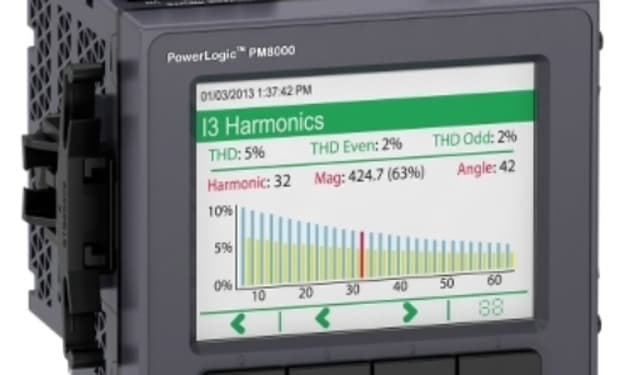
Power meters are devices that measure electrical consumption in real time, allowing homeowners and businesses to track how much energy is being used at any given moment. These devices are essential for energy monitoring, particularly during storms, because they provide detailed information on energy flow, voltage levels, and power quality.
Modern power meters go beyond basic monitoring; they provide comprehensive analytics, alerting users to potential problems like voltage fluctuations, energy spikes, or power dips. These devices can detect issues before they escalate into major failures, allowing users to shut down vulnerable systems and protect valuable equipment. Many power meters are now equipped with remote monitoring capabilities, making it possible for facility managers to track power usage and conditions from anywhere, even during severe weather events.
How Power Meters Protect Homes and Industries During Hurricanes
Power meters are especially valuable during hurricane season, providing a range of benefits that can protect both residential and industrial equipment. Here’s a closer look at how power meters can safeguard your home and business in the face of a hurricane like Milton:
1. Real-Time Monitoring and Alerts
One of the most significant advantages of power meters is their ability to provide real-time monitoring. During a hurricane, power fluctuations can occur suddenly as wind, rain, and lightning take their toll on the grid. These fluctuations may lead to sudden surges in voltage, which can cause irreparable damage to appliances, industrial machinery, and other sensitive electrical systems.
With a power meter in place, users can receive immediate alerts when the system detects abnormal fluctuations in voltage or energy usage. For homeowners, this means being able to disconnect appliances before they are damaged. For industrial operators, real-time monitoring allows engineers and technicians to shut down critical systems in time, preventing potentially catastrophic damage to machinery.
In addition to sending alerts, many modern power meters also provide automated protection. For instance, if a power meter detects a surge, it can automatically shut down the affected circuit or equipment, preventing damage without requiring manual intervention.
2. Surge Protection: Shielding Appliances and Equipment from Damage
One of the biggest threats to electrical systems during hurricanes is the power surges that often occur when the grid is restored. After a prolonged outage, power returns to homes and businesses suddenly, often with a spike in voltage that can overwhelm circuits. This surge can cause significant damage to electrical appliances, industrial machinery, and data systems.
Power meters, particularly smart meters, play a crucial role in surge protection. By monitoring voltage levels, they can detect when a surge is about to occur and take steps to prevent damage. Some power meters come with built-in surge protection features that will automatically cut power to the system when voltage spikes, keeping expensive equipment safe.
For industrial operations that rely on continuous power for complex machinery, surge protection is particularly important. A single power surge can not only damage equipment but also cause significant downtime, leading to lost productivity and financial losses. Power meters help mitigate these risks by detecting and preventing surges before they cause damage.
3. Post-Hurricane Recovery and Energy Efficiency
Once the hurricane has passed and power is restored, there’s often a period of recovery during which energy systems may still be vulnerable. Power meters are vital during this phase, ensuring that energy is used efficiently and that systems are operating correctly.
For residential users, power meters can help identify which appliances are using more energy than normal, potentially signaling damage that needs to be repaired. For example, an air conditioning unit that consumes more energy after a storm may have sustained damage and require maintenance. By identifying these inefficiencies, power meters help homeowners avoid skyrocketing energy bills and further equipment damage.
In industrial settings, power meters provide similar benefits by monitoring energy consumption across entire facilities. They allow facility managers to prioritize repairs, address inefficiencies, and optimize energy use as systems come back online. For industries that rely on large-scale machinery and data centers, this is critical in minimizing downtime and returning to full operational capacity as quickly as possible.
4. Remote Monitoring for Distributed and Remote Sites
For industries with operations spread across multiple locations, hurricanes pose a unique challenge. Power outages and electrical damage may occur in one region while other sites remain unaffected. Without the ability to monitor all locations simultaneously, facility managers may struggle to assess the extent of the damage and allocate resources efficiently.
Power meters equipped with remote monitoring capabilities solve this problem by providing real-time data on power usage, quality, and fluctuations across multiple sites. Whether in a control room or off-site, managers can access this data from any internet-connected device, allowing them to respond quickly to power outages and damage, even in remote locations.
Remote monitoring also makes it possible to prioritize repairs. If one site experiences more severe damage than another, managers can focus their resources on the most critical areas first, ensuring that operations resume as quickly as possible.
Why Power Meters Are Critical for Florida’s Hurricane-Prone Regions
Florida’s hurricane season is long and often unpredictable, with hurricanes like Milton serving as a reminder of the damage these storms can cause. The ability to monitor and manage energy usage during a hurricane is not just a luxury—it’s a necessity for both homes and businesses. Power meters provide the tools needed to protect electrical systems, ensure safety, and optimize energy use in the aftermath of a storm.
For residents of Florida, where hurricanes are a yearly occurrence, power meters offer several key benefits:
Protection of Appliances: Power meters prevent damage to household appliances and electronics by monitoring voltage levels and shutting down systems when irregularities occur.
Energy Efficiency: After a hurricane, energy consumption patterns often change as systems recover. Power meters help identify inefficiencies and keep energy bills under control.
Real-Time Alerts: Homeowners can receive notifications when there’s a risk of damage from power surges, giving them time to protect valuable appliances.
For industrial operations, the benefits are even greater:
Protection of Critical Machinery: Power meters help prevent damage to industrial machinery by monitoring energy usage and shutting down systems in the event of a surge or overload.
Remote Monitoring: Facilities spread across multiple locations can be monitored remotely, ensuring that power usage and damage are assessed in real time.
Post-Storm Recovery: Power meters help industries recover quickly by optimizing energy usage and identifying which systems need repairs or maintenance.
The Role of Power Meters in Long-Term Energy Management
While the primary focus of power meters during hurricane season is on protection and recovery, these devices also play an important role in long-term energy management. Many modern power meters offer advanced analytics that allow users to track energy usage patterns over time, making it easier to identify inefficiencies and opportunities for energy savings.
Industries, in particular, benefit from this long-term data. By analyzing energy consumption trends, businesses can make informed decisions about energy efficiency initiatives, potentially saving thousands of dollars each year in reduced energy costs.
Power meters also support the transition to more sustainable energy practices. As businesses and homeowners increasingly adopt renewable energy sources like solar and wind power, power meters provide the data needed to ensure that these systems are operating efficiently. This helps reduce reliance on the grid and lowers overall energy consumption, contributing to a more sustainable future.
Conclusion: The Importance of Power Meters During Hurricane Season
Hurricane Milton, like many storms before it, highlights the importance of being prepared for the worst. Whether you’re a homeowner trying to protect your appliances or an industrial operator responsible for safeguarding critical machinery, power meters are an essential tool for managing energy during hurricanes.
From real-time monitoring and surge protection to post-storm recovery and long-term energy management, power meters offer a wide range of benefits that can help minimize damage and ensure efficiency. In hurricane-prone regions like Florida, investing in power meters is a smart decision that pays
About the Creator
Understanding Fabric Durability: How the Martindale Tester Shapes Modern Textile Quality
In the textile industry, durability is one of the most important indicators of product quality. From everyday clothing and upholstery to industrial and protective materials, fabrics are constantly exposed to friction, pressure, and repeated use. To evaluate how well a material performs under such conditions, laboratories rely on standardized testing methods. One of the most widely recognized tools for this purpose is the Martindale Tester, an instrument designed to assess fabric abrasion resistance and pilling behavior in a controlled, repeatable manner.
By Shazad Khan2 days ago in Lifehack
Forgotten Packing Items That Make Port A Rentals Guest-Friendly
Stepping into a vacation rental should feel like a home away from home, with a clean space, cozy beds, and, perhaps, a great view to unwind. But sometimes, even the best-planned trips can be disrupted by an unexpected challenge when guests forget to pack a few essentials.
By The Mayan Princess5 days ago in Lifehack



Comments
There are no comments for this story
Be the first to respond and start the conversation.