
Fitness That Feels Normal: No Counting, No Stress
What happens when you stop tracking and start living


Most people start their fitness journey with good intentions. There's motivation, structure, and sometimes a plan that looks perfect on paper. But very often, that plan includes tracking everything. Calories, macros, water, steps, sleep. It becomes a checklist where one missed item feels like failure.
And that’s where things go wrong.
When health turns into pressure, people give up. Or they burn out. That’s why so many quit after a few weeks. The plan is too strict, the rules too many, and the process feels more like punishment than self-care.
The truth is, you can get in shape without obsessing over every bite. You don’t have to track your calories to see progress. There’s another way, a way that’s easier to stick with and easier on your mind.
Stop Thinking in Extremes
The first step is shifting your mindset. Health doesn’t have to be all or nothing. One missed workout doesn’t mean your week is ruined. One takeaway meal doesn’t mean you’ve failed.
Consistency matters more than perfection. If you work out three times a week and eat reasonably well 80 percent of the time, results will come. It just won’t feel like torture.
Train for Energy, Not Exhaustion
Workouts should leave you feeling better, not wiped out, not dizzy, not limping for days.
Focus on movement that gives energy, not drains it. For some, that’s lifting weights. For others, it's walking, swimming, hiking, or bodyweight circuits. You don’t need to train every day or follow what influencers are doing online.
Three or four solid sessions a week, mixed with daily movement like walks or light stretching, is more than enough to feel stronger and see change.
Eat Like a Human, Not a Spreadsheet
Not everyone needs to count calories to eat better. Most people already know what their diet lacks. More protein. More fiber. Less processed stuff. Smaller portions. Fewer snacks when bored.
Focus on meals you actually enjoy, with ingredients that fuel your body. Eat slowly, eat mindfully, and learn when you’re satisfied instead of stuffed.
Eating well doesn’t mean saying no to pizza or chocolate forever. It means having those things in balance. You don’t need to earn food, and you don’t need to track it to make progress.
Build Simple Habits That Stick
Fancy workout plans and complex meal preps aren’t the key. The real game-changer is habit building.
- Walk for 20 minutes after lunch or dinner
- Prepare one healthy meal ahead of time each day
- Sleep 7 to 8 hours as often as possible
- Keep your workouts short, realistic, and consistent
- Drink more water instead of reaching for energy drinks or fizzy drinks
These habits might sound small, but they stack up quickly. And more importantly, they don’t burn you out.
Mindset Over Mirror
Getting in shape shouldn’t mean hating your reflection until it changes. A lot of people tie their self-worth to how lean or muscular they are. That’s not health. That’s punishment.
Focus on what your body can do, not just how it looks. The confidence that comes from showing up for yourself, from moving with purpose, and from feeling better in your clothes, that’s the kind of transformation that lasts.
Body Image Got Easier to Handle
In the past, looking in the mirror meant looking for flaws. Progress was measured in abs, not how clothes fit or how energy levels felt. That mindset created a cycle, one where results were never enough.
With a more balanced approach, that pressure faded. The focus shifted from appearance to function. Energy improved. Sleep got better. Mood swings became rare. And with those changes, confidence followed.
It didn’t come from dropping a certain number of pounds or fitting into a smaller size. It came from knowing the body was being taken care of without obsession. That alone changed how the mirror felt. The reflection became something to appreciate, not pick apart.
There’s No Finish Line
One of the biggest lessons in all of this is that health doesn’t have an end point. There’s no magical weight where everything becomes perfect. There’s no ideal look that makes all problems disappear.
Fitness isn’t a sprint. It’s something to live with, not something to “win.”
A sustainable lifestyle includes flexibility. It allows room for rest days, takeaway dinners, social events, and unexpected lazy mornings. And none of that has to stop progress. In fact, it often helps it.
When there’s no panic over slipping up, it becomes easier to keep going. When fitness doesn’t dominate life, it becomes part of life. That’s the version people stick with for years.
What Actually Worked Long-Term
Looking back, the things that actually made a difference weren’t extreme. They were simple, steady habits practiced with patience.
- Moving the body most days, even if just for 15 minutes
- Choosing real food most of the time, but not fearing treats
- Prioritizing rest and recovery instead of overtraining
- Letting go of guilt around food, rest, or body changes
- Listening to energy levels instead of fighting them
These habits didn’t lead to overnight transformation. They led to consistency. That consistency led to results. And those results stayed.
You Don’t Need to Be Perfect to Get in Shape
One of the biggest lies in the fitness world is that you need to be perfect. Perfect meals, perfect macros, perfect plans. That thinking leads to burnout.
The truth is, progress can be made with average days stacked on top of each other. With small wins. With better choices most of the time. You don’t have to count every calorie to be in control. You don’t have to hate your body to improve it.
Start small. Build routines that make sense. And allow room to live along the way.
So, Enjoy It
Getting in shape without tracking every calorie is possible. In fact, for most people, it’s better. It reduces stress. It makes health feel manageable. And it gives you space to enjoy life without the constant pressure of perfection.
Let go of the all-or-nothing mindset. Focus on daily habits. Stop punishing the body and start supporting it.
Progress will come. And it’ll stay, not because you forced it, but because you built something that actually works long-term.
About the Creator
The_unique_writer
The_unique_writer loves to write and create something new ^_^
Keep reading
More stories from The_unique_writer and writers in Lifehack and other communities.
Your Comprehensive Guide to the EB-5 Visa
The United States has long been a destination for individuals seeking new opportunities and a better quality of life. For foreign investors, the EB-5 Immigrant Investor Program offers a direct path to achieving this goal. This program stimulates the U.S. economy through capital investment and job creation, and in return, provides investors and their families a route to permanent residency. This guide will walk you through every aspect of the EB-5 visa, from eligibility to the application process, so you can understand if this path is right for you.
By Ahsan Qazi 7 days ago in Lifehack
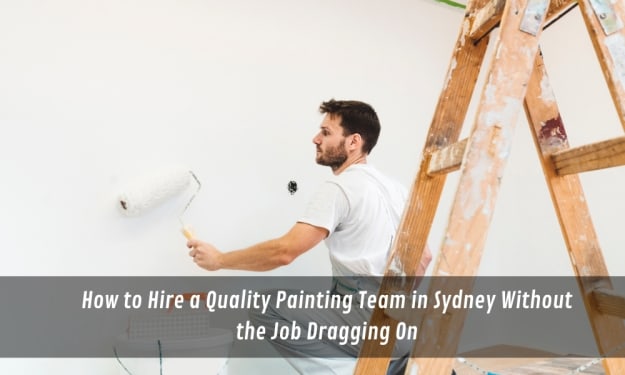
How to Hire a Quality Painting Team in Sydney Without the Job Dragging On
A repaint is meant to be a tidy upgrade: cleaner lines, brighter rooms, a place that feels looked-after again. Yet plenty of paint projects in Sydney turn into a slow-motion inconvenience—rooms half usable, dates sliding, and that lingering sense the finish isn’t quite right.
By Evelyn Heard2 days ago in Lifehack
The Politics of Playing Dress-Up
Well, to start off I'd like to say a happy world book day to all who celebrate. I know I haven't really posted anything on my socials about it but I'm not a jubilant kind of person. I lay low most of the time. Let's start off with a popular anecdote from the vaults...
By Annie Kapur5 days ago in Geeks



Comments
There are no comments for this story
Be the first to respond and start the conversation.