
“Fitness in 2025: Why Gyms Are Becoming Obsolete”
How Technology, Personalization, and Lifestyle Shifts Are Redefining the Way We Stay Fit

Three years ago, I couldn’t imagine working out without my local gym. The clang of weights, the thump of bass-heavy music, the sweaty high-fives after a grueling HIIT session—it was ritual, routine, religion. But today, my “gym” is a 6x6 mat in my living room, a VR headset, and a small AI device the size of a Rubik’s Cube.
And I’m fitter than I’ve ever been.
Gyms, as we knew them, are becoming relics of the past. In 2025, the fitness landscape looks radically different—not because people stopped caring about health, but because they’ve found smarter, more personalized, and more accessible ways to stay fit.
Let me walk you through what changed—and why I canceled my gym membership for good.
Chapter 1: The Turning Point
The shift didn’t happen overnight. But the pandemic years had already planted the seed. Gyms shuttered. People turned to YouTube workouts, resistance bands, and fitness apps. The idea that we needed four walls and expensive equipment to stay fit began to crumble.
Then came the explosion of AI-powered fitness tools and wearable tech integration. What started as simple step counters evolved into full-body biometric trackers. Devices like the Whoop Band, Oura Ring, and Apple Watch Ultra weren’t just accessories—they were fitness advisors.
By 2025, these tools stopped being supplementary. They became central.
I wake up to a ring on my finger gently vibrating at my optimal sleep cycle. My smart mirror displays my heart rate variability, recovery level, and recommends a workout tailored to my energy zones. I scan the options and select a 25-minute VR boxing session that matches my stats and mood.
No drive, no waiting, no guesswork.
Chapter 2: Personalized Fitness Is the New Gym Trainer
Traditional gyms were based on a one-size-fits-all model. Pay a membership fee, access the equipment, maybe take a class. But fitness isn’t one-size-fits-all. What works for a 45-year-old desk worker with back pain is not what works for a 22-year-old CrossFit enthusiast.
This is where AI changed the game.
Platforms like Freeletics 2.0, Future AI Coach, and Nike Adapt now use personal data—from your menstrual cycle to your resting heart rate—to customize workouts in real time.
A friend of mine, battling chronic fatigue, once struggled to stick to any routine. Now, her AI fitness assistant adjusts her workouts daily based on her sleep score and cortisol levels. Some days it suggests light yoga; other days, strength training with progressive resistance bands.
It’s not just exercise—it’s intelligent movement.
Chapter 3: The Home as a Wellness Ecosystem
In 2025, homes are fitness hubs. Not in the way people bought treadmills and never used them, but through integration.
My smart mirror doubles as a personal trainer, wellness tracker, and posture corrector. My fridge syncs with my meal plan and recommends meals based on my fitness goals. My smartwatch buzzes when I’ve been sedentary too long and offers a 3-minute desk mobility session.
The walls are embedded with acoustics that simulate an outdoor trail when I go for a stationary walk. The lighting adjusts to energize or relax based on my workout intensity.
This isn’t luxury—it’s becoming mainstream.
Peloton might’ve started the trend, but companies like Mirror, Tempo, FitXR, and Supernatural VR have democratized it. You can be in a 90-square-foot apartment in Amsterdam or a house in Ohio—and still access world-class fitness from your home.
Chapter 4: Community, Without the Commute
One of the biggest losses people feared when gyms started declining was the sense of community. The friendships, the class culture, the energy. But digital fitness solved that too—on steroids.
With live global classes, I now work out with a friend in Dubai and a cousin in Canada. We cheer each other on through emojis and video tiles. After the session, we review our scores and progress together in a shared dashboard.
Platforms have gamified the experience. My fitness app ranks me in monthly challenges, offers badges, and lets me donate calories burned to real-world causes (like meals for underprivileged children). The psychological reward is powerful—and addictive in a good way.
Chapter 5: The Death of Gym Memberships
Here’s the hard truth: traditional gyms are losing relevance because they failed to evolve.
High costs, lack of personalization, equipment hogging, and inconvenient travel times don’t make sense in 2025. Why pay $80 a month when you can access personalized, AI-powered, always-available training for a fraction of the price—or sometimes free?
Many gyms tried to pivot by adding digital components, but it was too late. Just like Blockbuster couldn’t keep up with Netflix, physical gyms couldn’t compete with the flexibility and intelligence of the new system.
Boutique fitness studios are still alive—but even they have adopted hybrid models. You can now attend a spin class in person or beam into it live in your pajamas.
Chapter 6: Mental Health Integration
Fitness is no longer just about abs and endurance—it’s about mental performance, recovery, and longevity.
My weekly routine includes guided breathwork sessions, mindful cooldowns, and sleep optimization plans. Apps like Headspace Move, Calm Body, and Zero Gravity Fitness merge mental and physical wellness seamlessly.
I’ve noticed I don’t just look better. I feel better. I’m more patient, focused, and resilient.
Gyms rarely talked about nervous system regulation or cognitive fatigue. But now, those are pillars of modern fitness. We’ve expanded the definition of what it means to be “fit.”
Chapter 7: Real-World Movement Is Back
Ironically, by removing the commute and logistics of going to gyms, people are now moving more in real life.
Walking clubs, outdoor HIIT meetups, and urban hiking groups are trending again. Not because we’re forced to go outside—but because our workouts don’t drain us anymore. They're balanced, efficient, and leave room for joyful movement.
I now walk or bike everywhere without overtraining. My AI coach rewards that kind of activity by adjusting my plan and giving me bonus points. It's freedom, not friction.
Final Thoughts: Will Gyms Vanish Completely?
Not entirely. Some will survive, but only those that become experience centers, not just weight rooms. Think of them like co-working spaces—used occasionally, but not essential.
The rest? They're already being converted into wellness spas, cryotherapy hubs, and recovery lounges. Because in 2025, fitness isn’t about lifting heavier—it’s about living better.
And that’s something you don’t need a gym for anymore.
About the Creator
Keep reading
More stories from Hamza Habib and writers in Lifehack and other communities.
How Sherman Lai Integrates Natural Therapies for Whole-Body Wellness
Many people have begun searching for natural methods to enhance their general health and well-being in recent years. Holistic healthcare concentrates on balancing the overall body rather than just treating symptoms. Because they promote long-term wellbeing, natural treatments including acupuncture, herbal medicine, and lifestyle counseling are growing in popularity. Sherman Lai, a practitioner renowned for this well-rounded approach, combines many natural healing techniques to assist people in achieving whole-body wellbeing.
By Sherman Lai Guelph7 days ago in Lifehack
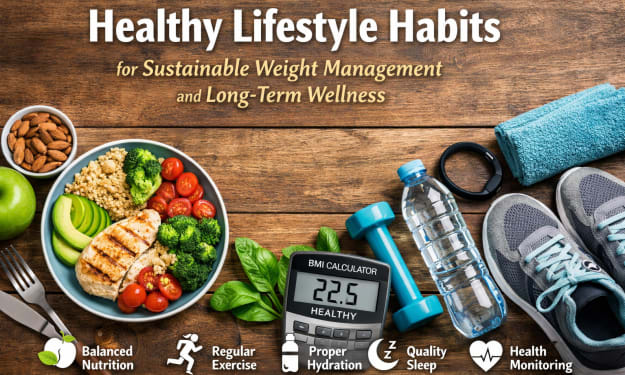
Healthy Lifestyle Habits for Sustainable Weight Management
Living a healthy lifestyle has become a challenge for many people today. Modern routines often include long hours of sitting, irregular eating habits, fast food consumption, and limited physical activity. These habits can slowly affect the body and make it difficult to maintain a healthy weight.
By Backlinks Cart7 days ago in Lifehack



Comments
There are no comments for this story
Be the first to respond and start the conversation.