
Exploring Robben Island: A Walk Through South African History
Visit Robben Island
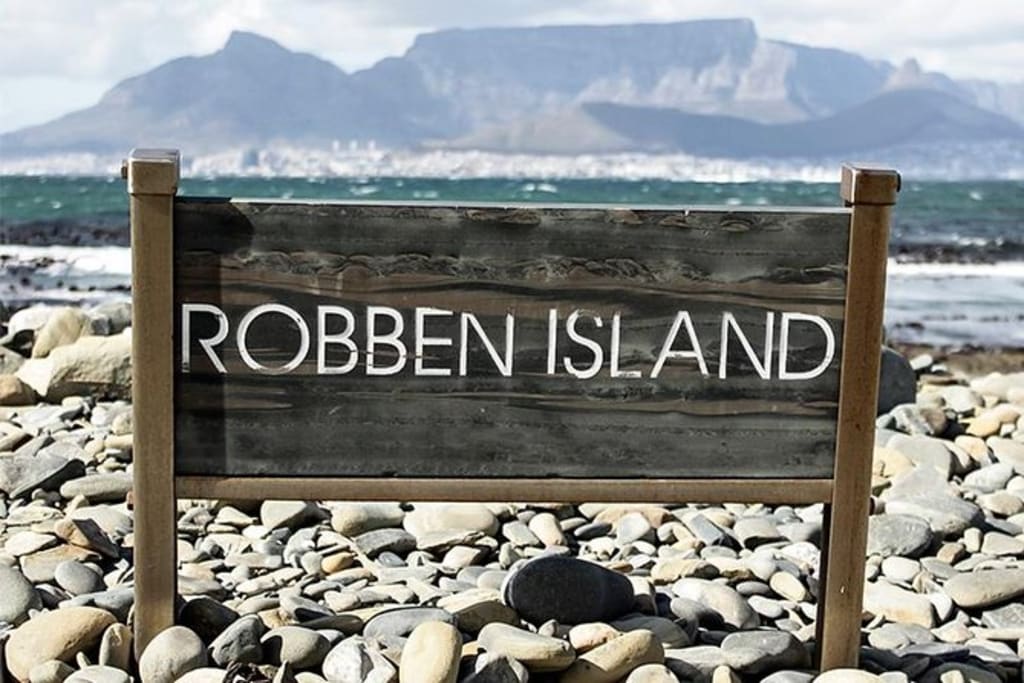
Introduction to Robben Island
Robben Island, located just off the coast of Cape Town, is more than just a picturesque spot in the Atlantic Ocean. This island is a symbol of South Africa's turbulent past and a testament to the resilience of the human spirit. For centuries, it served as a place of exile, isolation, and imprisonment. Today, it stands as a beacon of hope and a reminder of the country's journey towards freedom and equality.
The island has been a UNESCO World Heritage Site since 1999 and draws thousands of visitors each year who are eager to explore its historic grounds. Walking through the island offers an immersive experience into the struggles and triumphs of those who fought against apartheid. It’s a journey that not only educates but also inspires.
A Brief History
Robben Island, a small, windswept island off the coast of Cape Town, South Africa, carries the weight of a complex and painful history. Its story unfolds over centuries, beginning in the 17th century when Dutch settlers first established a penal colony there. This marked the island's grim transformation from a place of natural beauty to a symbol of confinement and suffering.
Throughout its history, Robben Island served various purposes, each reflecting the evolving power structures of South Africa. It transitioned from a prison for both criminal and political offenders to a leper colony, isolating those afflicted with the disease. Later, the island took on a strategic military role, fortified to defend against potential naval threats.
However, it is the era of apartheid that casts the longest shadow over Robben Island. During this period of racial segregation and oppression, the island was transformed into a notorious maximum-security prison, specifically designed to crush the spirits of political dissidents.
Nelson Mandela, the iconic anti-apartheid revolutionary, spent 18 of his 27 years of imprisonment on Robben Island. His cell, now a poignant pilgrimage site, bears witness to the harsh conditions and unwavering resolve of a man dedicated to dismantling the oppressive system.
Mandela was not alone in his struggle. The island's prison cells held a constellation of anti-apartheid leaders, including Walter Sisulu and Govan Mbeki, men who dared to challenge the status quo and demand equality for all South Africans. Their stories are etched into the very fabric of the island, from the worn stone walls to the haunting silence that hangs in the air.
Today, Robben Island stands as a powerful testament to the human spirit's capacity for resilience and the enduring struggle for freedom and justice. It serves as a stark reminder of the injustices of the past and a beacon of hope for a more equitable future.
Touring the Island
Visitors to Robben Island can take guided tours that last approximately four hours, including the ferry ride to and from the island. Knowledgeable guides, many of whom are former political prisoners themselves, provide unique insights into life on the island and the broader struggle against apartheid.
The tour includes a visit to the maximum-security prison, where you can walk through Mandela’s cell. Standing in this small, stark space offers a sobering perspective on the conditions faced by prisoners. The experience is both educational and emotional, providing an opportunity to reflect on South Africa's journey towards democracy.

Wildlife and Natural Beauty
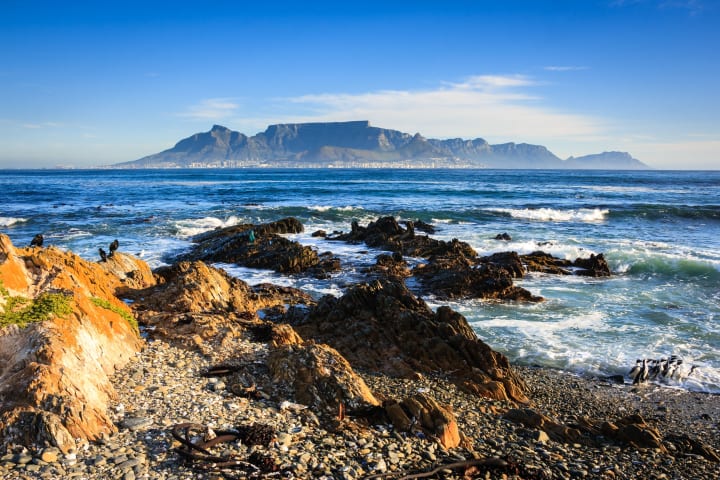
Beyond its historical significance, Robben Island is also home to diverse wildlife and stunning natural landscapes. The island is a haven for seabirds, including African penguins and cormorants. Visitors can enjoy scenic views of Table Mountain and the surrounding ocean from various points on the island.
Conservation efforts are ongoing to preserve both the natural environment and historical heritage of Robben Island. The combination of history and nature makes it a unique destination for those interested in both cultural and ecological tourism.
Planning Your Visit
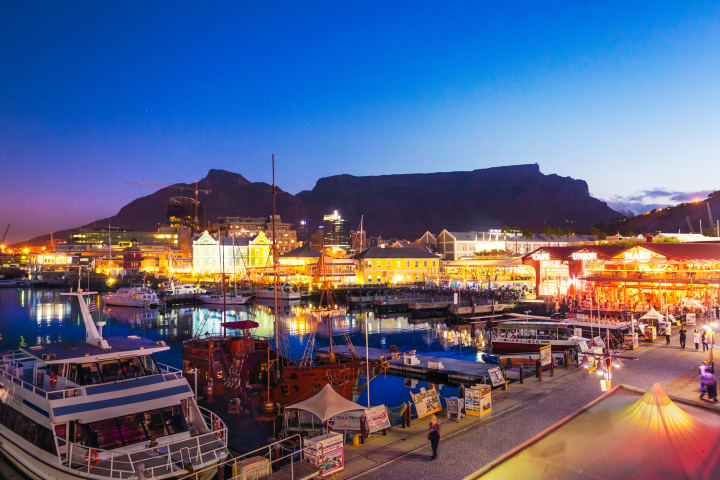
When planning a visit to Robben Island, it's essential to book your tickets in advance as tours often sell out quickly. The ferry departs from the V&A Waterfront in Cape Town, providing an opportunity to explore this vibrant area before or after your tour.
Remember to bring comfortable walking shoes, sunscreen, and a hat, as much of the tour involves walking outdoors. Photography is encouraged, so don't forget your camera to capture the unforgettable sights and moments.
Final Thoughts
Exploring Robben Island is more than just a trip to a historical site; it's an exploration of human resilience and the unwavering quest for justice. This small island holds immense significance in South Africa’s history, making it a must-visit for anyone looking to understand the country's past and appreciate its progress.
Whether you're a history buff or simply seeking a deeper understanding of South Africa's rich tapestry, Robben Island offers an experience that is both enlightening and unforgettable. It's a walk through history that leaves an indelible mark on all who visit.
About the Creator
Live Smart, Travel Smart
Helping you live your best life, at home and on the road, from budget travel tips and packing hacks to productivity hacks and mindfulness practices. Travel smarter, live better, and make the most of every moment. https://bit.ly/3Eyet2Z
Keep reading
More stories from Live Smart, Travel Smart and writers in Lifehack and other communities.
A Hiker's Guide to Table Mountain: Experience Cape Town's Best Views
Introduction to Table Mountain Nestled in the heart of Cape Town, Table Mountain is one of the most iconic landmarks in South Africa. With its flat-topped summit and stunning vistas, it attracts thousands of hikers and nature enthusiasts every year. In this guide, we'll explore the best ways to experience this magnificent natural wonder and enjoy some of the *most breathtaking views* the city has to offer.
By Live Smart, Travel Smartabout a year ago in Lifehack
How Baltimore’s Urban Layout Shapes Daily Life and Personal Organization
Baltimore, Maryland, is a city where daily life is strongly influenced by its physical layout. Streets, neighborhoods, and transportation routes play a central role in how residents organize their time, move through the city, and manage everyday responsibilities. Understanding this structure helps explain why planning and adaptability are essential parts of living comfortably in Baltimore.
By House Doctor2 days ago in Lifehack
trial,
In a small village, there lived a farmer named Raheem, who was well-known for his honesty, integrity, and kind-hearted nature. Because of his reputation, villagers often entrusted him with their belongings for safekeeping, confident that he would never misuse them. One morning, as Raheem was on his way to the fields to plow, he noticed a small bag lying on the roadside. Looking carefully around to ensure no one was watching, he picked up the bag.
By Sudais Zakwanabout 7 hours ago in Lifehack




Comments
There are no comments for this story
Be the first to respond and start the conversation.