
Exercise and Knee Pain Prevention:
A Comprehensive Guide

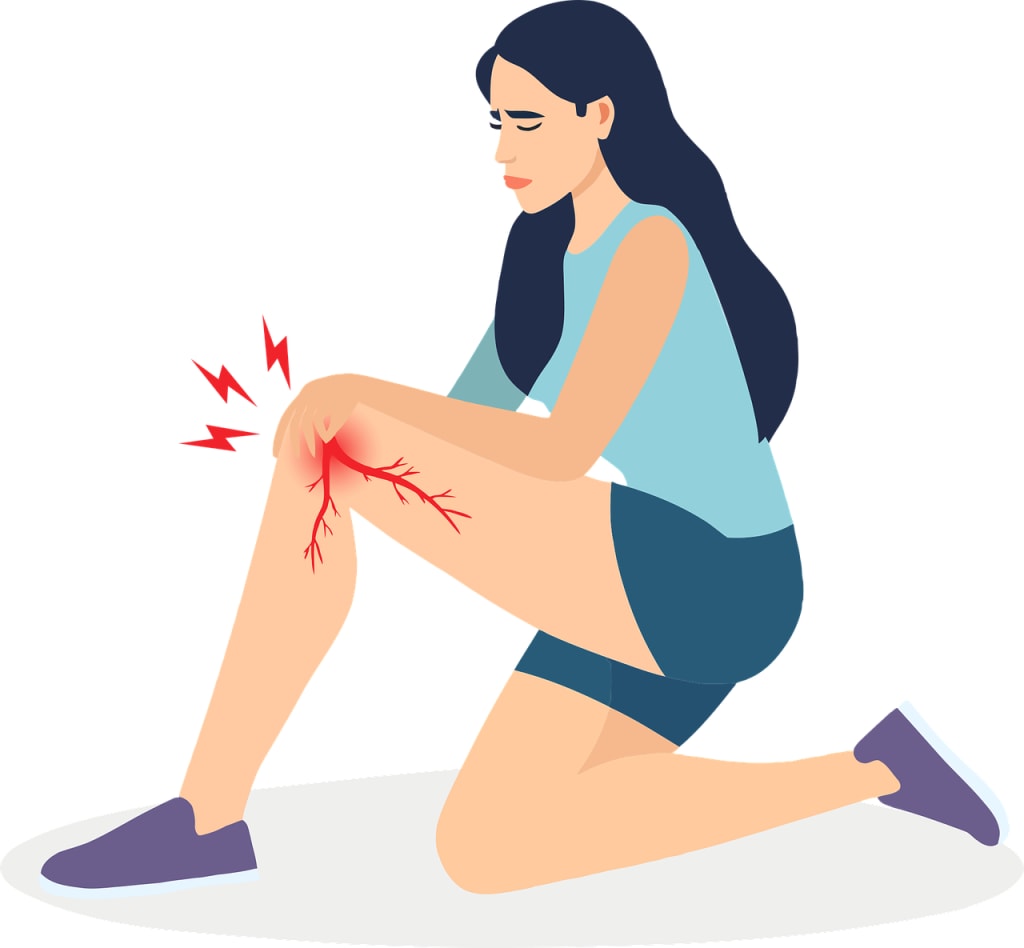
The Role of Exercise in Knee Pain Prevention
Knee pain is a common issue that affects people of all ages, often arising from injury, overuse, or underlying health conditions like arthritis. Whether you're an athlete, a weekend warrior, or someone dealing with the effects of aging, knee pain can significantly impact your quality of life. However, exercise plays a crucial role in both preventing knee pain and managing it when it occurs. By strengthening the muscles around the knee, improving flexibility, and maintaining overall joint health, regular physical activity can help you avoid many common knee problems.
This article will provide a comprehensive guide to understanding the importance of exercise in preventing knee pain, detailing specific exercises, routines, and strategies that can help keep your knees healthy and pain-free.
Understanding Knee Anatomy and Function
To effectively prevent knee pain, it’s essential to understand the structure and function of the knee joint.
1.1 The Structure of the Knee Joint
The knee is one of the most complex and largest joints in the body. It is primarily a hinge joint that connects the thigh bone (femur) to the shin bone (tibia). The knee joint is composed of several key components:
Bones: The knee joint involves the femur, tibia, and the patella (kneecap). The femur and tibia are the main bones that articulate, while the patella sits in front of the joint, providing protection and aiding in movement.
Cartilage: The ends of the femur and tibia, along with the back of the patella, are covered with articular cartilage. This smooth tissue helps the bones move smoothly against each other without friction.
Menisci: These are two crescent-shaped pieces of cartilage located between the femur and tibia. They act as shock absorbers, distributing weight across the knee joint and providing stability.
Ligaments: Four major ligaments stabilize the knee. The anterior cruciate ligament (ACL) and posterior cruciate ligament (PCL) control the forward and backward motion of the knee. The medial collateral ligament (MCL) and lateral collateral ligament (LCL) manage the side-to-side motion.
Tendons: Tendons attach muscles to bones. The quadriceps tendon connects the quadriceps muscle to the patella, and the patellar tendon connects the patella to the tibia.
1.2 The Biomechanics of Knee Movement
The knee joint allows for various movements, primarily flexion (bending) and extension (straightening). In addition to these primary movements, the knee also allows a slight degree of rotation and lateral movement, which is crucial for many activities, such as walking, running, and jumping.
Because the knee is a weight-bearing joint, it is subject to significant stress during physical activity. The combination of forces acting on the knee can lead to injuries if the joint or surrounding muscles are weak, inflexible, or improperly conditioned. Understanding the knee's biomechanics is essential for selecting the right exercises to prevent pain and injury.
The Importance of Exercise in Preventing Knee Pain
Exercise is one of the most effective ways to prevent knee pain and maintain the health of the knee joint. Regular physical activity helps by:
2.1 Strengthening the Muscles Around the Knee
Strong muscles around the knee provide support and reduce the load on the joint. The primary muscle groups that support the knee include:
Quadriceps: Located at the front of the thigh, the quadriceps are crucial for knee extension and patellar stability.
Hamstrings: Located at the back of the thigh, the hamstrings aid in knee flexion and contribute to overall knee stability.
Calves: The calf muscles assist in knee flexion and play a role in stabilizing the lower leg.
Glutes: The gluteal muscles in the buttocks are important for hip movement, which affects knee alignment and function.
2.2 Improving Flexibility and Range of Motion
Flexible muscles are less prone to injury. Flexibility exercises help maintain the full range of motion in the knee joint, reducing stiffness and ensuring smooth movement.
2.3 Enhancing Balance and Proprioception
Balance and proprioception, or the body's ability to sense its position in space, are critical for preventing falls and injuries. Exercises that improve these factors help protect the knee from sudden, potentially damaging movements.
2.4 Reducing Excess Body Weight
Carrying excess weight increases the load on your knees, accelerating wear and tear on the joint. Regular exercise helps maintain a healthy weight, thereby reducing stress on the knees.
2.5 Correcting Movement Patterns
Poor movement patterns, such as improper running form or incorrect squat technique, can lead to knee pain and injury. Exercise, particularly when guided by a trained professional, can help correct these patterns and prevent injury.
Types of Exercises for Knee Pain Prevention
Different types of exercises contribute to knee health in various ways. Below are several categories of exercises that are particularly effective in preventing knee pain.
3.1 Strengthening Exercises
Strengthening the muscles around the knee is crucial for providing stability and reducing the load on the joint. Some key exercises include:
Leg Press: This exercise targets the quadriceps, hamstrings, and glutes, helping to build strength in the lower body.
Squats: Squats are one of the best exercises for overall lower-body strength. When performed correctly, they strengthen the quadriceps, hamstrings, and glutes while engaging the core.
Lunges: Lunges work the quadriceps, hamstrings, and glutes while improving balance and coordination. They also promote knee stability by challenging the muscles individually.
Step-Ups: This exercise simulates climbing stairs and targets the quadriceps, hamstrings, and glutes. It is particularly useful for building strength and stability in the knees.
3.2 Flexibility Exercises
Maintaining flexibility in the muscles around the knee helps prevent injury and keeps the joint functioning properly. Key flexibility exercises include:
Quadriceps Stretch: Stretching the front of the thigh helps relieve tension in the quadriceps, reducing stress on the knee.
Hamstring Stretch: Stretching the back of the thigh maintains flexibility and reduces the risk of injury to the knee.
Calf Stretch: Stretching the calves is important for maintaining proper ankle and knee function.
Hip Flexor Stretch: Tight hip flexors can lead to poor knee alignment. Stretching these muscles can help improve posture and reduce knee strain.
3.3 Balance and Proprioception Exercises
Improving balance and proprioception can help prevent knee injuries by enhancing your ability to control your body’s movements. Key exercises include:
Single-Leg Stand: Standing on one leg helps improve balance and strengthens the muscles around the knee.
Bosu Ball Exercises: Using a Bosu ball or balance board adds instability, challenging your balance and proprioception.
Heel-to-Toe Walk: Walking in a straight line with one foot directly in front of the other improves balance and coordination.
3.4 Low-Impact Aerobic Exercises
Low-impact aerobic exercises are excellent for maintaining cardiovascular fitness without placing excessive stress on the knees. Key exercises include:
Swimming: Swimming is a full-body workout that is easy on the joints. The buoyancy of water reduces the load on the knees while providing resistance to build muscle.
Cycling: Cycling strengthens the muscles around the knee without the impact associated with running. It’s an excellent option for improving cardiovascular health while protecting the knees.
Elliptical Trainer: An elliptical trainer provides a low-impact workout that mimics the motion of running without the associated stress on the knees.
Designing an Exercise Routine for Knee Pain Prevention
Creating a balanced exercise routine that incorporates strengthening, flexibility, balance, and aerobic exercises is key to preventing knee pain. Below are sample routines for different fitness levels.
4.1 Beginner Routine
This routine is designed for those new to exercise or returning after a long break.
Warm-Up: 5-10 minutes of light aerobic activity (e.g., walking or cycling).
Strengthening:
2 sets of 10-15 reps of bodyweight squats.
2 sets of 10-15 reps of lunges.
2 sets of 10-15 reps of step-ups.
Flexibility:
30 seconds of quadriceps stretch per leg.
30 seconds of hamstring stretch per leg.
30 seconds of calf stretch per leg.
Balance:
2 sets of 30 seconds of single-leg stands per leg.
Cool-Down: 5-10 minutes of light stretching.
4.2 Intermediate Routine
This routine is for individuals with some exercise experience looking to challenge themselves further.
Warm-Up: 5-10 minutes of moderate aerobic activity (e.g., brisk walking or cycling).
Strengthening:
3 sets of 15-20 reps of squats with dumbbells.
3 sets of 15-20 reps of lunges with dumbbells.
3 sets of 15-20 reps of leg press.
3 sets of 15-20 reps of step-ups with added weight.
Flexibility:
45 seconds of quadriceps stretch per leg.
45 seconds of hamstring stretch per leg.
45 seconds of calf stretch per leg.
45 seconds of hip flexor stretch per leg.
Balance:
3 sets of 30-45 seconds of single-leg stands per leg.
3 sets of 20-25 reps of heel-to-toe walks.
3 sets of 30 seconds of Bosu ball exercises.
Low-Impact Aerobic:
20-30 minutes of cycling or using an elliptical trainer at a moderate intensity.
Cool-Down: 5-10 minutes of light stretching, focusing on the quadriceps, hamstrings, calves, and hip flexors.
4.3 Advanced Routine
This routine is designed for individuals who are experienced with exercise and looking to optimize knee strength and stability.
Warm-Up: 5-10 minutes of vigorous aerobic activity (e.g., running or swimming).
Strengthening:
4 sets of 20-25 reps of squats with a barbell or heavy dumbbells.
4 sets of 20-25 reps of Bulgarian split squats.
4 sets of 20-25 reps of single-leg press.
4 sets of 20-25 reps of step-ups with heavy weights.
Flexibility:
60 seconds of quadriceps stretch per leg.
60 seconds of hamstring stretch per leg.
60 seconds of calf stretch per leg.
60 seconds of hip flexor stretch per leg.
Balance:
4 sets of 45-60 seconds of single-leg stands per leg.
4 sets of 25-30 reps of heel-to-toe walks.
4 sets of 45-60 seconds of advanced Bosu ball exercises (e.g., squats or lunges on the Bosu ball).
Low-Impact Aerobic:
30-45 minutes of swimming or using an elliptical trainer at a vigorous intensity.
Cool-Down: 5-10 minutes of light stretching, focusing on all major muscle groups worked during the session.
Tips for Safe and Effective Knee Pain Prevention
While exercise is essential for knee pain prevention, it’s important to follow certain guidelines to ensure safety and effectiveness.
5.1 Listen to Your Body
One of the most important principles in preventing knee pain is to listen to your body. If you experience pain during any exercise, stop immediately and assess the situation. Pain is your body’s way of signaling that something isn’t right, and continuing could lead to injury.
5.2 Warm-Up and Cool Down
Always begin your exercise routine with a warm-up and end with a cool-down. Warming up prepares your muscles and joints for the activity ahead, reducing the risk of injury. Cooling down helps your body return to a resting state, preventing stiffness and soreness.
5.3 Use Proper Form
Proper form is crucial in preventing knee injuries. Incorrect form can place undue stress on the knee joint, leading to pain and injury. If you’re unsure about your form, consider working with a trainer or physical therapist who can guide you.
5.4 Progress Gradually
It’s important to progress gradually when increasing the intensity or duration of your exercise routine. Sudden increases in activity can overload your knees and lead to injury. Gradually increasing your workload allows your muscles, ligaments, and tendons to adapt and strengthen over time.
5.5 Incorporate Rest Days
Rest is as important as exercise in preventing knee pain. Overworking your knees without giving them time to recover can lead to overuse injuries. Incorporate rest days into your routine to allow your knees to recover and repair.
5.6 Wear Proper Footwear
Wearing appropriate footwear is crucial for knee health. Shoes that provide adequate support and cushioning can help absorb shock and reduce the impact on your knees. Ensure that your shoes are in good condition and replace them when they become worn out.
5.7 Stay Hydrated
Staying hydrated is important for overall joint health. Dehydration can lead to joint stiffness and reduce your ability to perform exercises effectively. Drink plenty of water before, during, and after your workouts.
Chapter 6: Common Mistakes to Avoid in Knee Pain Prevention
Even with the best intentions, certain mistakes can increase the risk of knee pain or injury. Here are some common pitfalls to avoid:
6.1 Ignoring Pain
One of the biggest mistakes people make is ignoring pain. Pain is a sign that something is wrong, and pushing through it can lead to serious injury. If you experience knee pain, take a break and consult with a healthcare professional if the pain persists.
6.2 Skipping Warm-Up and Cool Down
Skipping the warm-up or cool-down is a common mistake that can increase the risk of injury. Always take the time to properly prepare your body for exercise and to cool down afterward.
6.3 Overtraining
Overtraining occurs when you don’t allow your body enough time to recover between workouts. This can lead to overuse injuries, including knee pain. Ensure that your exercise routine includes sufficient rest days and recovery periods.
6.4 Neglecting Flexibility Training
Many people focus solely on strengthening exercises and neglect flexibility training. Tight muscles can lead to imbalances and improper joint alignment, increasing the risk of knee pain. Incorporate stretching and flexibility exercises into your routine to maintain balanced muscle function.
6.5 Using Incorrect Exercise Equipment
Using equipment that is not suited to your body or fitness level can lead to improper form and increase the risk of knee injury. Make sure that any equipment you use, whether it’s a weight machine or a running surface, is appropriate for your needs.
6.6 Overlooking the Importance of Core Strength
Your core plays a vital role in maintaining proper posture and alignment during exercise. A weak core can lead to poor form and increased stress on the knees. Incorporate core-strengthening exercises into your routine to support overall knee health.
When to Seek Professional Help
While exercise is a powerful tool in preventing knee pain, there are times when professional help is necessary. Knowing when to seek medical advice can prevent minor issues from becoming serious problems.
7.1 Persistent Pain
If you experience knee pain that persists despite rest and self-care, it’s important to seek medical advice. Persistent pain can be a sign of an underlying issue that requires professional treatment.
7.2 Swelling and Inflammation
Swelling and inflammation are signs of injury or irritation in the knee. If you notice significant swelling, especially if it’s accompanied by pain, consult with a healthcare professional.
7.3 Limited Range of Motion
If you experience a sudden or gradual loss of range of motion in your knee, it’s essential to seek medical advice. This could indicate a more serious condition, such as a meniscus tear or ligament injury.
7.4 Instability
If your knee feels unstable or gives out during physical activity, this is a sign that something is wrong. Knee instability can indicate a ligament injury or other serious issues that require professional evaluation.
7.5 Difficulty Bearing Weight
If you have difficulty bearing weight on your knee, it’s important to see a doctor. This could be a sign of a serious injury, such as a fracture or severe ligament tear.
Conclusion: Take Control of Your Knee Health
Preventing knee pain through exercise is not just about avoiding discomfort—it’s about maintaining your overall quality of life. Strong, flexible, and healthy knees allow you to move freely and enjoy physical activities without the worry of pain or injury. By incorporating the right exercises into your routine, practicing proper form, and listening to your body, you can take control of your knee health and prevent pain before it starts.
Remember, consistency is key. Make exercise a regular part of your life, and your knees will thank you for it. Whether you’re an athlete, a fitness enthusiast, or simply looking to stay active as you age, the strategies outlined in this guide will help you keep your knees strong, stable, and pain-free for years to come.
About the Creator
increase
Infusing expertise into every word to empower you with the best choices. Unveiling hidden gems and top-notch products for your refined taste and better lifestyle. #QualityContent #InformedDecisions
Marble Floor or Tile Floor: Which One Actually Works for Your Home?
You're renovating your home, the walls are done, the furniture is picked, and then you hit the floor decision. Suddenly you're standing in a showroom holding two samples: one gorgeous slab of marble and one sleek porcelain tile, completely stuck between choosing a Marble Floor or Tile Floor.
By Brijesh Agarwatabout 14 hours ago in Lifehack
Zojirushi BB HAC10 vs BB SSC10: Which One Should You Buy?
Choosing between the Zojirushi bb hac10 vs bb ssc10 can feel confusing when both promise great homemade bread in a compact size. I like how each model focuses on small 1-pound loaves, which fit typical U.S. households and reduce waste.
By Mohammed mamun3 days ago in Lifehack
Trickle Them Down, But Not Out
The thing about smart people is that they should know better, but alas, intelligence is not the same as wisdom. Not only do the mistakes of experts too short on vision—when they are not corrected—have the potential to do great and far-reaching damage, but they also undermine public confidence in the very notion of expertise. This is particularly so when expertise is wielded in defence of the rich and powerful as a cudgel against those laid low. As an academic, this lack of faith in “so-called experts” is painful to see as it plays out in the spread of dis-/misinformation, conspiracy theories, and anti-intellectualism writ large. But it is also an understandable impulse given the catastrophic failure of an economic ideology pushed by certain economic experts. Supply-side economics has shaped a broken system for the last half-century and has arguably done more to undermine the fabric of the American Dream than any policy framework of the past century.
By Cory Wright-Maley6 days ago in Humans


Comments
There are no comments for this story
Be the first to respond and start the conversation.