
Everything You Need to Know Before Mixing Alcohol
Mixing alcohol can be an exciting part of social gatherings and special events, with cocktails offering endless creativity in flavors, colors, and textures.
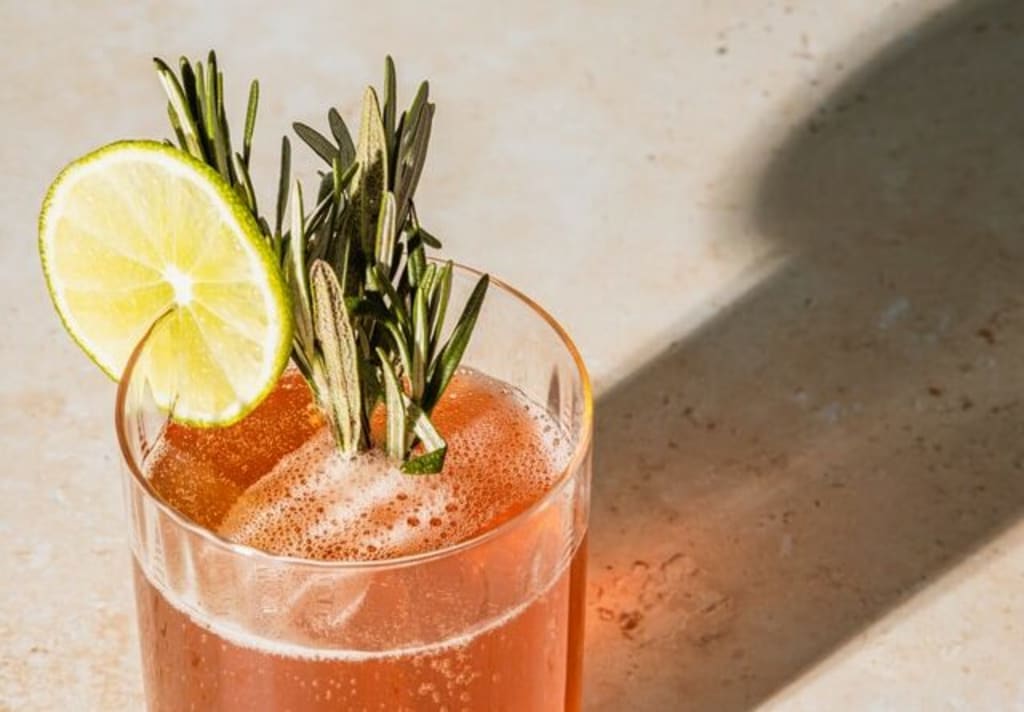
Mixing alcohol can be an exciting part of social gatherings and special events, with cocktails offering endless creativity in flavors, colors, and textures.
However, blending various types of alcohol or alcohol with mixers is not as simple as it may seem. Mixing vodka and tequila, for example, it’s not only about pouring them into a glass.
If done carelessly, mixing can lead to unintended side effects, ranging from unpleasant hangovers to serious health risks. To avoid these pitfalls and ensure an enjoyable experience, here’s everything you need to consider before you start mixing alcohol.
1. Understand the Strength of Different Alcohols
Not all alcohols are created equal in terms of potency. Spirits like vodka, whiskey, and gin often have high alcohol by volume (ABV), while beer and wine typically have lower ABV percentages.
Mixing stronger alcohols together can significantly raise the alcohol content in a single drink, increasing your chances of overconsumption without even realizing it.
To safely enjoy your drinks, it’s essential to know the ABV of each type of alcohol you’re mixing. This way, you can keep track of your intake and avoid the effects of consuming excessive amounts of alcohol, such as impaired judgment, dizziness, and other symptoms.
2. Choose Mixers Carefully
Mixers can influence the taste, texture, and alcohol absorption rate in your body. Sugary mixers, like sodas or fruit juices, mask the flavor of alcohol, which may lead you to drink more than intended.
Additionally, sugar can worsen dehydration, intensifying the effects of a hangover the following day.
Consider using alternatives like soda water, tonic water, or herbal mixers with lower sugar content. Natural fruit juices in moderation can also provide a refreshing taste without excessive sugar, and some can even offer nutritional benefits.
3. Avoid Mixing Carbonated Drinks with Strong Spirits
Carbonated beverages like soda and tonic water can accelerate the absorption of alcohol, leading to quicker intoxication.
This happens because carbonation allows alcohol to enter the bloodstream faster than non-carbonated drinks, which might catch you off guard. If you’re mixing with spirits, it’s best to stick with still mixers, especially if you’re new to drinking or unsure of your tolerance.
4. Know Your Tolerance Level
One of the most crucial factors before mixing alcohol is understanding your own tolerance. Everyone’s body reacts differently to alcohol based on factors like weight, metabolism, and drinking experience.
Drinking beyond your tolerance can lead to alcohol poisoning or, at the very least, an unpleasant experience.
If you’re unsure about your tolerance or are trying a new drink combination, it’s best to start slow and monitor how your body reacts. Giving your body time to process the alcohol before adding another drink can help prevent overconsumption.
5. Drink Water Alongside Alcohol
Alcohol dehydrates the body, so drinking water alongside alcoholic beverages helps maintain your hydration levels.
Mixing multiple types of alcohol without staying hydrated can exacerbate dehydration symptoms, making you feel worse. Aim to alternate between alcohol and water to prevent dehydration and minimize the chances of a hangover.
6. Be Cautious with Hard Liquor Combinations
Mixing hard liquors such as tequila, vodka, and whiskey might sound fun for the adventurous, but it’s generally not recommended.
Combining different hard liquors increases the potency of your drinks, raising the risk of becoming intoxicated much faster. Moreover, different liquors can contain distinct ingredients and impurities that may interact poorly when combined.
If you want to try new flavors, consider blending one hard liquor with compatible mixers or liqueurs instead of mixing multiple hard liquors. This allows you to enjoy complex flavors without overwhelming your system.
7. Avoid Mixing Alcohol with Energy Drinks
Combining alcohol with energy drinks can be risky because caffeine masks the depressant effects of alcohol, leading you to feel less intoxicated than you actually are.
This may cause you to drink more, potentially reaching dangerously high blood alcohol levels. Caffeine can also cause dehydration, amplifying hangover symptoms.
To avoid these risks, it’s best to skip energy drinks as mixers. If you need an energy boost, consider taking a short break or drinking non-alcoholic alternatives instead.
8. Don’t Mix Alcohol with Medication
Mixing alcohol with medication, whether over-the-counter or prescription, can have serious health consequences.
Alcohol can interfere with the effectiveness of medications, exacerbate side effects, or even create toxic reactions in the body. Before drinking, check your medication's guidelines, as some prescriptions require avoiding alcohol altogether.
If you’re on medication and still plan to drink, consult with a healthcare professional first to understand the potential risks. Mixing alcohol with medication without proper knowledge can be dangerous.
9. Plan Your Ride Home in Advance
Alcohol impairs coordination and judgment, which can make driving after drinking incredibly dangerous. If you plan to mix drinks or try new alcohol combinations, make sure to arrange transportation ahead of time. Opt for a designated driver, rideshare services, or public transportation.
By planning your ride in advance, you can avoid the temptation to drive while under the influence and ensure your night out remains safe for yourself and others.
Conclusion
Mixing alcohol can be a great way to explore new tastes and enjoy social experiences, but it comes with a set of responsibilities.
From knowing your limits and choosing mixers wisely to understanding the risks of combining alcohol with medications or energy drinks, each step can help create a safer drinking experience. Remember to take your time, drink responsibly, and stay aware of how different combinations may impact your body.
By paying attention to these factors, you can make more informed choices that lead to enjoyable and safe moments with friends and family. So the next time you’re considering mixing a cocktail or two, keep these tips in mind to ensure an experience that’s both fun and safe.
About the Creator
Keep reading
More stories from Febrian Whello and writers in Lifehack and other communities.
How to Succeed at the Benson Directory®
Congratulations and welcome to the Benson Directory® employee #22391! As our newest call handler, you will have the privilege of speaking with dozens of unique and interesting people on a daily basis as well as the opportunity to earn bonuses for high performance. Contained within this handbook you will find a set of ease to follow instructions designed to help you settle in to your new role and begin paving the way to success.
By S. A. Crawforda day ago in Fiction



Comments
There are no comments for this story
Be the first to respond and start the conversation.