
Everything You Need to Know About Water Softeners vs Water Filters
When it comes to having clean, safe, and healthy water in the home, two systems are at the forefront of discussion—water softeners vs water filters.
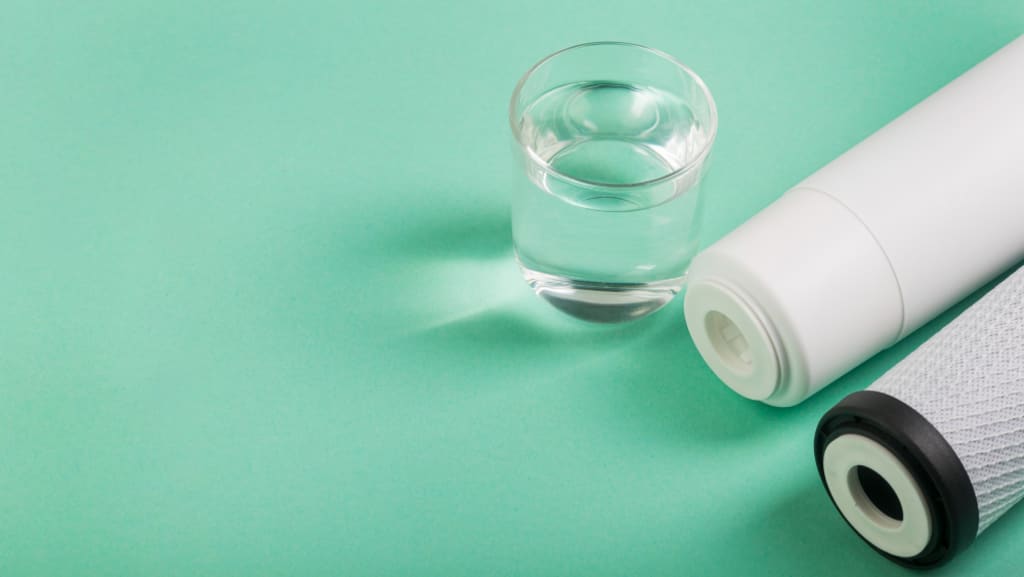
When it comes to having clean, safe, and healthy water in the home, two systems are at the forefront of discussion—water softeners vs water filters. Both serve to enhance the quality of water, but they address extremely different issues. So, how do you determine which one is best for your home?
In this in-depth guide, we'll dissect all you need to know about water softeners vs water filters, from their operation to their advantages, disadvantages, and best use scenarios. Let's get started!
Water Softeners vs Water Filters: Understanding the Basics
Before selecting a system, it's important to know what each of them does. On the surface, water softeners and water filters appear to be very much alike, but their operations could not be more different.
A water softener will remove minerals such as calcium and magnesium that contribute to "hard water." Hard water causes buildups on appliances, spots on dishes, and dry skin following showers. Alternatively, a water filter is tasked with eliminating such contaminants as chlorine, sediment, bacteria, pesticides, and heavy metals from your water supply.
That is, softeners soften your water, whereas filters clean your water. Understanding this difference is the beginning of the water softeners vs water filters argument.
Water Softeners vs Water Filters: How Do They Work?
Let's get into the science behind both systems.
Water softeners generally operate by means of a process known as ion exchange. This allows for the replacement of hard minerals with sodium or potassium ions, thereby eliminating substances that cause scaling. Through this, your plumbing, water heater, and appliances can operate more smoothly and last longer.
Water filters, on the other hand, utilize a number of filtration processes including activated carbon, reverse osmosis, or UV purification. Each process is designed to remove different impurities. For instance, carbon filters excel at removing chlorine and odors, whereas reverse osmosis systems eliminate up to 99% of contaminants, including arsenic and fluoride.
Evidently, in the war of water softeners versus water filters, each system employs its own technology to address specific water quality requirements.
Water Softeners vs Water Filters: Which One Improves Taste and Odor?
If you’ve ever poured a glass of tap water and thought it smelled like a swimming pool, you’re not alone. That unpleasant taste or odor is often due to chlorine or other chemical residues.
Here, water filters are the champions. They are designed specifically to eliminate particles that influence the taste and odor of your water. Activated carbon filters especially excel at capturing chlorine and organic chemicals behind these problems.
Water softeners, on the other hand, don't make much of a difference to taste or odor because they are interested only in eliminating minerals—not chemicals or bacteria.
So when comparing water softeners vs water filters in terms of improving water flavor, filters are the clear winner.
Water Softeners vs Water Filters: The Health Perspective
Health-conscious homeowners often ask whether these systems contribute to better health. The answer depends on what you’re trying to protect against.
Water filters hands down remove potentially threatening contaminants such as lead, cysts, bacteria, and industrial chemicals. They are something you certainly don't want in drinking water.
Water softeners, not intended to eliminate toxins, do provide indirect health advantages. Soft water, for example, reduces irritation of the skin and outbreaks of eczema, and it is kinder to hair and washing.
So, water filters vs water softeners for health, with filters as the winner—but softeners have their own quiet benefits.
Water Softeners vs Water Filters: What Keeps Your Appliances Safe?
Now let's discuss the MVPs of your home—dishwashers, washing machines, and water heaters. Hard water can cause chaos in appliances over time by creating scale deposits, lowering efficiency, and shortening their lifespan.
This is where water softeners truly shine. By eliminating calcium and magnesium, softeners help prevent scale, thereby enhancing the longevity and performance of your appliances.
Water filters, while great at removing contaminants, don’t address hardness minerals. Therefore, if appliance protection is your goal, water softeners win this round in the water softeners vs water filters debate.
Water Softeners vs Water Filters: Installation and Maintenance
Each system has its maintenance cycle and installation needs, and being aware of this can be a factor.
Water softeners usually need a professional installation, particularly if your home plumbing isn't pre-plumbed for a bypass valve or drainage system. Maintenance entails periodic replenishment of salt or potassium in the brine tank.
Water filters vary from simple pitcher-type filters to sophisticated whole-house systems. Some need cartridges to be replaced on a regular basis, while others require annual maintenance.
In brief, on the maintenance question of water softeners vs water filters, filters are more apt to need to be checked on frequently, but softeners call for a more complicated installation.
Water Softeners vs Water Filters: Cost Comparison
Let's talk about dollars and cents.
A typical water softener system will run from $500 to $3,000, including installation. The cost continues with bags of salt and periodic service calls.
Water filters vary widely. A faucet-mounted filter might cost less than $100, while a high-end reverse osmosis system or whole-house filtration setup could run from $600 to $5,000. Plus, you’ll need to replace filters regularly, which adds to the long-term expense.
Therefore, in the water softeners vs water filters price comparison, both can be cost-effective or expensive, depending on the model and your specific water quality needs.
Water Softeners vs Water Filters: Can You Use Both?
Yes! In fact, most homes can take advantage of using both systems in combination.
You may install a water softener to address hard water problems and a filter system to eliminate chemical and microbial impurities. This two-stage method guarantees that your water is not only scale-free but also safe and enjoyable to consume.
In the water softeners vs water filters universe, it's not necessarily an "either-or" situation. Frequently, the optimal outcome is a combination of both.
Water Softeners vs Water Filters: Choosing Wisely
Still not sure which one you require? Here's a brief guide:
- Select a water softener if your primary concerns are soap scum, limescale, or appliance performance.
- Select a water filter if contaminant elimination for safer drinking water is your first priority.
- Select both if you would like the best of both—soft, clean, and healthy water in every area of your residence.
The water softeners vs water filters decision ultimately comes down to your own particular water quality issues, budget, and health concerns.
Final Thoughts on Water Softeners vs Water Filters
Whether you're getting a new home or stepping up your water system, getting to know the comparison of water softeners vs water filters is important. Each has its specific function, and quite often, they are best utilized in unison.
Buying the correct system—or set of systems—can improve your well-being, safeguard your house, and boost your day-to-day water experience.
So don't just drink water—drink smarter water. And besides, it's not only about what you put in your glass; it's about what you bathe in, cook with, and use every day.
About the Creator
Keep reading
More stories from Christopher and writers in Lifehack and other communities.
How Gantu – Experience the Pinnacle of Luxury Rentals Elevates Your Stay
In the hurly-burly of present times, searching for a refuge that blends glamour, sophistication, and individualized service is not just a wish but a pipedream. Step into the world of Gantu – the ultimate in high-end rentals where it's more than just finding a place to call home. With an unfailing dedication to comfort and beauty, Gantu provides an unforgettable experience, wherein each detail is carefully crafted to make your time there special.
By Christopher11 months ago in Lifehack
Digital Well-Being
We live in a time where the internet is not just a tool — it is an environment. From the moment we wake up to the moment we fall asleep, screens shape how we think, work, communicate, and relax. Technology connects us instantly, but constant connection can quietly drain our attention, energy, and peace of mind. Digital well-being is the practice of using technology in a way that supports — rather than harms — our mental, emotional, and physical health.
By shaoor afridi5 days ago in Lifehack
I Stopped Chasing Men—And This One Lifehack Made Them Come to Me Naturally
For the longest time, I thought attracting men was about looking perfect, saying the right things, and never making a mistake. I believed if I could just be more attractive, more interesting, or more “ideal,” the right person would notice me.
By Lukáš Hrdlička8 days ago in Lifehack
REEEEEEEEE!
I'm on a low road right now. There are a literal million things to do and not one of them worth my time. I would rather sit in place and burn but the orbit takes me on its inevitable route 'round the center; and I a center in my own right, around which others orbit, and so on and so forth, ad infinitum, ad nauseum.
By C. Rommial Butler4 days ago in Poets



Comments
There are no comments for this story
Be the first to respond and start the conversation.