
Essential Safety Tools Every Home Needs to Survive a Fire
Smart Equipment and Practical Tips to Protect Your Family During Emergencies

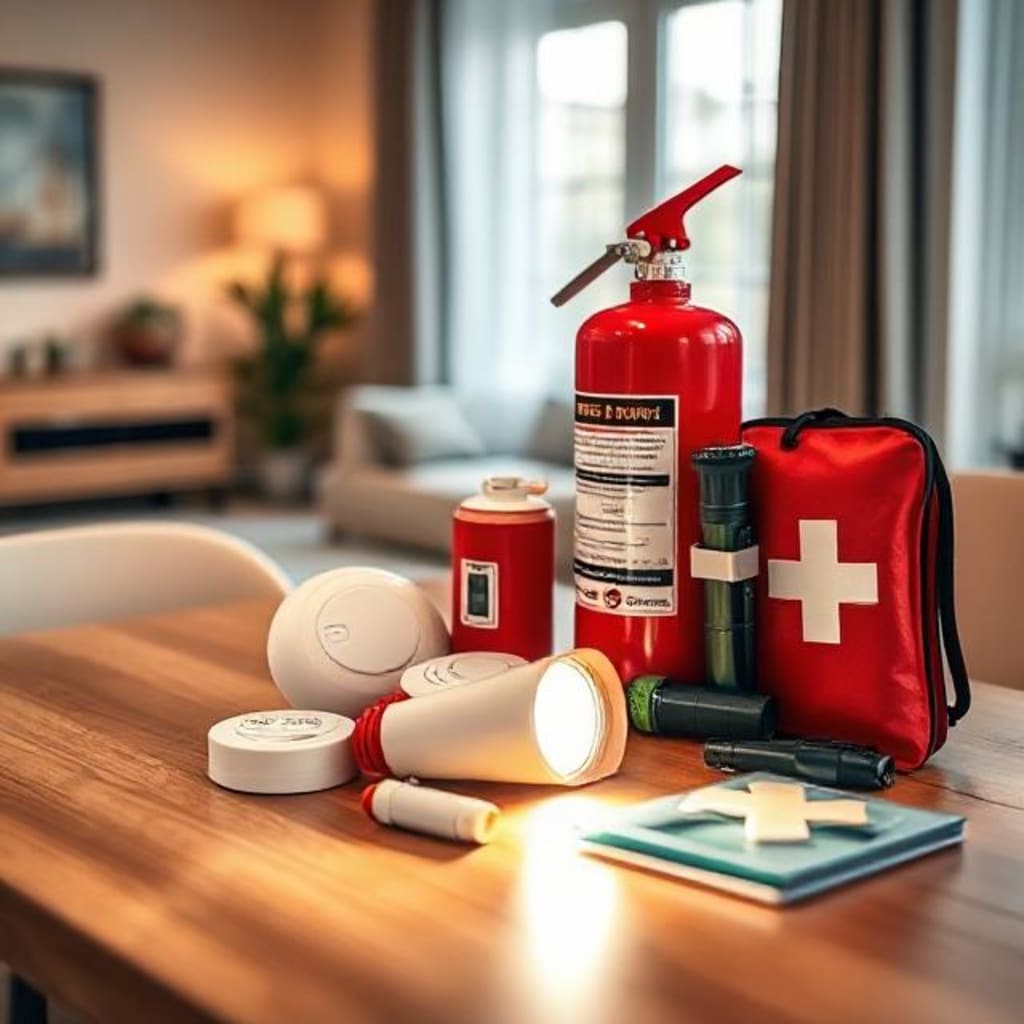
A house fire is one of the most terrifying emergencies anyone can face. Flames can spread quickly, smoke can overwhelm your senses, and panic often takes over. But with the right safety equipment and a clear plan, you can protect your loved ones and minimize damage to your property.
Here are the essential tools and precautions every household should have in place to be prepared for fire emergencies.
---
1. Fire Extinguishers
No safety plan is complete without a fire extinguisher. These devices are your first line of defense against small fires. Whether it’s an electrical short in your living room or a grease fire in the kitchen, a well-placed extinguisher can stop flames from spreading.
Best Practices:
Place extinguishers in high-risk areas such as the kitchen, garage, and near heating equipment.
Learn how to use them properly (remember the PASS method: Pull, Aim, Squeeze, Sweep).
Get them inspected annually and refill them if the pressure gauge drops below the green zone.
---
2. Smoke Alarms
Smoke kills more people than fire itself. A reliable smoke alarm can detect smoke early, giving your family precious minutes to escape.
Where to Install:
Every bedroom
Hallways outside sleeping areas
On each level of your home, including the basement
Maintenance Tips:
Test alarms monthly.
Replace batteries once a year.
Upgrade to interconnected smoke alarms so that when one sounds, all will sound.
---
3. Fire Blankets
A fire blanket is an underrated but lifesaving tool. Made from fire-resistant materials, it works by smothering flames and cutting off oxygen.
Uses:
Cover a person if their clothes catch fire.
Smother small kitchen fires quickly.
Keep one in the kitchen and another near fireplaces or BBQ areas.
---
4. Escape Ladders
For multi-story homes, escape ladders are a must. Fires can block stairways, leaving windows as the only exit. A foldable ladder can give you and your family a safe route down.
Tips:
Store them near upstairs windows.
Practice deploying the ladder with family members so everyone feels confident using it.
---
5. First Aid Kit
Even if you escape safely, injuries such as burns or cuts can happen. A well-stocked first aid kit ensures you can treat wounds before professional help arrives.
Must-Have Supplies:
Burn ointments
Bandages and gauze
Antiseptic wipes
Medical tape
Inhalation masks for smoke
Regularly check expiry dates and restock supplies.
---
6. Flashlights and Backup Power
During a fire, power often goes out, leaving the house dark and smoky. Flashlights make it easier to navigate and find exits.
Pro Tip:
Keep flashlights and spare batteries in multiple rooms.
Consider rechargeable emergency lights that turn on automatically during outages.
---
7. Fire-Resistant Clothing
While the goal is always to evacuate quickly, sometimes fire-resistant clothing provides extra seconds of protection. Materials like Nomex and Kevlar can reduce burn risk in extreme conditions.
---
8. A Fire Safety Plan
All the equipment in the world won’t matter without a clear plan. Families that practice fire drills are more likely to evacuate safely during real emergencies.
What to Include:
Multiple escape routes from each room
A meeting point outside the home
Responsibilities for each family member (like who helps younger children or pets)
Emergency contacts
Practice at least twice a year so the plan becomes second nature.
---
Conclusion
Fires are unpredictable, but preparation makes all the difference. Fire extinguishers, smoke alarms, fire blankets, escape ladders, and a solid safety plan together create a shield of protection for your family. Regular maintenance — like checking extinguishers and replacing alarm batteries — ensures your tools are always ready.
Being prepared means being safe. Equip your home, educate your family, and take action before an emergency strikes.
---
FAQs
1. How often should I check my smoke alarm?
At least once a month. Also, change the batteries annually and replace the entire unit every 8–10 years.
2. Where should I keep my fire extinguisher?
In high-risk areas such as the kitchen, garage, and laundry room. Mount them on walls for quick access.
3. Can fire blankets be reused?
Only if they haven’t been exposed to fire. Once used, replace them immediately.
4. How do I teach kids about fire safety?
Keep lessons simple. Practice stop, drop, and roll. Involve them in drills so they know what to do without panic.
5. Is an escape ladder really necessary?
Yes, especially if your home has multiple floors. It can be the difference between being trapped and making it out safely.
---
About the Creator
Muhammad Riaz
Muhammad Riaz writes practical safety and lifestyle tips, helping readers prepare for emergencies and protect what matters most.
---
About the Creator
Muhammad Riaz
- Writer. Thinker. Storyteller. I’m Muhammad Riaz, sharing honest stories that inspire, reflect, and connect. Writing about life, society, and ideas that matter. Let’s grow through words.
Keep reading
More stories from Muhammad Riaz and writers in Lifehack and other communities.
Essential Fire Extinguisher Care: How to Keep Your Safety Device Always Ready
Workplaces Fire extinguishers are often ignored until the moment we desperately need them. Whether in an office, shop, or home, these devices can stop a small fire before it becomes a disaster. But here’s the catch: a fire extinguisher will only work properly if it’s well maintained. Neglecting regular checks could mean the extinguisher fails during an emergency—and by then, it’s too late.
By Muhammad Riaz6 months ago in Lifehack
12 Easy Tattoo Filler Ideas to Elevate Your Existing Tattoo
Hard to think of what could fill such awkward slots between the dome? Hence, the need for them is simple tattoo filler ideas since they have realized that their half-sleeve or patchwork design looks a bit slanted and incomplete, so this is a wonderful place to start.
By AMRYTT MEDIA2 days ago in Lifehack


Comments
There are no comments for this story
Be the first to respond and start the conversation.