
Essential Gardening Tips for Beginners in India: Grow Your First Garden with Confidence
gardening for beginners india

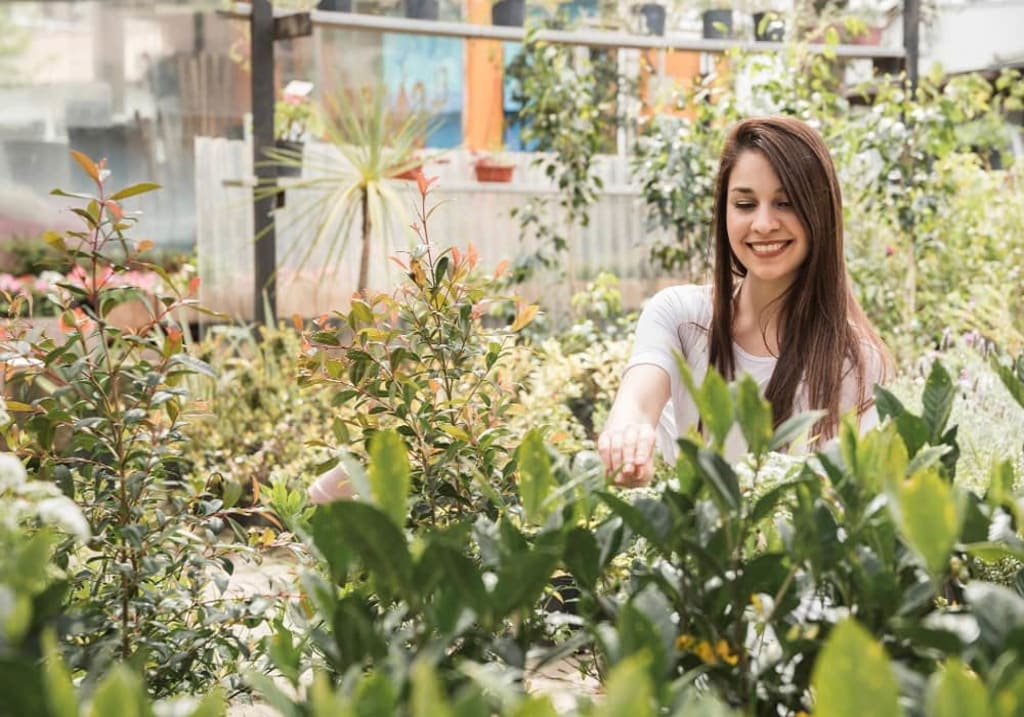
Gardening is a highly rewarding hobby, especially in India with its diverse climate and variety of regional plants. For those interested in gardening for beginners in India, the numerous plant species, tools, and techniques might seem overwhelming at first. However, with the right guidance, gardening can be an enjoyable journey for beginners in India. This article provides essential tips to help you confidently start your first garden.
1. Start Small and Simple
As a beginner, begin with manageable projects. Choose easy-to-grow plants that require minimal care. In India, marigolds, tomatoes, coriander, and mint are excellent starting points. These plants are resilient and thrive in most regions.
Focus on a few pots or a small garden area to avoid feeling overwhelmed. As you gain confidence, gradually expand your garden.
2. Choose the Right Plants for Your Region
India’s climate differs greatly across regions, so select plants suited to your local environment. For example:
Tropical regions: In places like Kerala or coastal Maharashtra, hibiscus, jasmine, and tropical fruits like papaya and banana flourish.
Hot and dry regions: In desert areas such as Rajasthan and Gujarat, opt for drought-resistant plants like succulents, cacti, and herbs such as thyme and oregano.
Hilly areas: In cooler regions like Himachal Pradesh and Uttarakhand, lavender, marigold, and lilies thrive.
Always consider local climate conditions before buying seeds or plants. Doing your homework is essential for successful gardening in India.
3. Understanding Soil and Fertilizer Needs
Soil quality is vital for plant growth, and it varies across India. Know your garden’s soil type and make necessary amendments. A simple soil test can help determine its pH and texture.
General soil guidelines for Indian gardens include:
Sandy soils drain quickly but may lack nutrients; add compost to improve fertility.
Clay soils retain moisture but may need better drainage; organic compost can help balance this.
Loamy soils are considered ideal, retaining moisture without becoming overly wet.
Once you understand your soil’s characteristics, enhance it with compost, manure, or vermicompost to supply necessary nutrients.
4. Watering Wisely
Watering is crucial, especially with India’s varying temperatures. Beginners often struggle with overwatering or underwatering. Overwatering leads to root rot, while underwatering causes wilting.
Water your plants in the early morning or evening to minimize evaporation and ensure moisture reaches the roots. Ensure good drainage in containers to prevent standing water.
Research the watering needs of each plant; succulents and cacti require less water, whereas tomatoes and lettuce need more frequent watering.
5. Use the Right Tools
Basic gardening tools are vital for comfort and ease. For Indian beginners, essential tools include:
Hand trowel: For digging and planting.
Pruning shears: To trim dead or overgrown branches.
Watering can: For controlled watering, especially for fragile plants.
Garden gloves: To protect your hands from thorns and soil.
These tools simplify gardening tasks, allowing you to care for your plants efficiently.
6. Pest Control and Disease Management
In India’s warm climates, pests like aphids, caterpillars, and termites can devastate plants quickly. As a beginner, you can avoid harsh chemicals by using natural remedies for pest control.
Neem oil: An effective, natural pesticide safe for most plants.
Companion planting: Pairing plants like marigolds, which naturally repel pests, can protect more delicate plants.
Handpicking pests: Regularly check your plants and manually remove any visible pests.
Also, avoid overcrowding your plants, as poor airflow can cause fungal infections and diseases. Prune dead or damaged leaves regularly to stop disease spread.
7. Mulch for Better Growth
Mulching is a crucial gardening practice for beginners in India. It helps retain soil moisture, prevent weeds, and regulate soil temperature. You can use organic materials like straw, leaves, or wood chips as mulch. A layer of mulch around your plants keeps them nourished while minimizing water loss from evaporation.
8. Patience and Observation
Gardening needs patience. Plants take time to grow; as a beginner, you may not see quick results. However, with consistent care, your garden will gradually thrive. Keep a close eye on your plants—if they show distress (like yellowing leaves or slow growth), address any issues quickly.
Remember, gardening involves trial and error, so don't get discouraged if some plants struggle at first. With each experience, you'll gain knowledge and improve your skills.
Conclusion
Gardening for beginners in India can be a rewarding and enjoyable hobby with many benefits. Start small, choose the right plants, understand soil and watering needs, and equip yourself with the right tools to create a beautiful, thriving garden. Remember that gardening is a learning process—embrace it, be patient, and you’ll soon grow your own lush garden. Happy gardening!
About the Creator
Tannu Ka Garden
We explore the wonderful world of gardening, offering valuable tips, knowledge, and insights to help you become a skilled gardener. Whether you're just starting out or already have some experience, you'll find plenty of helpful information.
Keep reading
More stories from Tannu Ka Garden and writers in Lifehack and other communities.
The Ultimate Guide to Terrace Vegetable Gardening in Indian Cities
Creating a terrace vegetable garden is becoming popular in Indian cities, where limited space makes traditional gardening tough. With some planning, even a small urban terrace can transform into a thriving vegetable garden. This guide will assist you in designing and maintaining a terrace vegetable garden in India, providing ideas and practical tips to make your terrace a green oasis.
By Tannu Ka Gardenabout a year ago in Lifehack
The Last Train from Nowhere
At exactly 2:17 a.m., the abandoned Platform 13 was never supposed to be used. In a forgotten corner of a London underground station, behind a rusted metal gate and a faded “Out of Service” sign, there was a platform that didn’t appear on any public map. Commuters from the UK, USA, and Australia had passed through this station thousands of times, never realizing that if you stood near the far wall at precisely the right moment, the wall would… breathe.
By Iazaz hussain4 days ago in Lifehack
Business Setup in the UAE: A Practical Guide for Entrepreneurs
When people talk about starting a business in the UAE, the conversation usually begins with opportunity. Fast growth, global access, and a supportive environment are often highlighted. What’s discussed far less is how many decisions happen quietly in the background—long before a company is officially registered.
By Adnan Sheikh2 days ago in Lifehack



Comments
There are no comments for this story
Be the first to respond and start the conversation.