
Essential Chinese Cooking Tools and Ingredients
Tips for Chinese Food Home Cooking

Chinese cuisine is known for its bold flavors, delicate textures, and colorful presentations. If you're interested in cooking Chinese food at home, it's important to have the right tools and ingredients on hand. Here are some essential items to add to your kitchen:
Cooking Tools:
1. Wok - A wok is a versatile cooking vessel that is essential in Chinese cooking. It has a deep, rounded shape that allows for stir-frying, deep-frying, and steaming. click here
Preparing the Wok: Before you start cooking, it's important to season your wok to create a non-stick surface and prevent rusting. To season your wok, wash it with warm, soapy water and dry it thoroughly. Then heat the wok over medium heat until it's hot to the touch. Add a tablespoon of vegetable oil and swirl it around to coat the entire surface of the wok. Let the oil heat for a few minutes, then use a paper towel to wipe off any excess oil. Repeat this process until the wok becomes dark and shiny.
Heating the Wok: When you're ready to start cooking, heat the wok over high heat until it's smoking hot. This will ensure that your ingredients cook quickly and evenly. To test the heat of the wok, sprinkle a few drops of water onto the surface. If the water evaporates immediately, the wok is ready.
Adding Ingredients: Once the wok is heated, add a tablespoon of oil and swirl it around to coat the surface of the wok. Then add your ingredients in stages, starting with the aromatics like garlic, ginger, and onions. Cook them until fragrant, then add the meat or seafood and cook until browned. Finally, add the vegetables and stir-fry until they're tender-crisp.
Stir-Frying: The key to stir-frying is to keep the ingredients moving constantly to prevent them from sticking and burning. Use a spatula or a pair of chopsticks to toss and stir the ingredients, lifting them up from the bottom of the wok and flipping them over. If the wok becomes too dry, add a tablespoon of water or broth to create some steam and help the ingredients cook evenly.
Seasoning: Once your ingredients are cooked, it's time to season your dish with soy sauce, oyster sauce, hoisin sauce, or other seasonings. Add them to the wok and toss the ingredients to coat them evenly. Taste and adjust the seasoning as needed.
2. Cleaver - A Chinese cleaver is a large, rectangular-shaped knife that is used for chopping, slicing, and dicing vegetables, meat, and seafood. click here
Holding the Cleaver: Hold the handle of the cleaver with your dominant hand and place your other hand on top of the blade near the handle for stability. Keep your fingers curled under and out of the way of the blade.
Chopping: To chop vegetables or meat, place the ingredient on a cutting board and hold it in place with your non-dominant hand. Hold the cleaver with your dominant hand and use a rocking motion to chop the ingredient into small pieces. Start by cutting the ingredient into thin slices, then stack the slices and chop them into small pieces.
Slicing: To slice vegetables or meat, hold the cleaver at a slight angle and use a sawing motion to slice the ingredient into thin strips. Make sure to keep your fingers curled under and out of the way of the blade.
Dicing: To dice vegetables or meat, start by cutting the ingredient into thin slices, then stack the slices and cut them into thin strips. Then turn the strips 90 degrees and cut them into small cubes.
Mincing: To mince garlic, ginger, or herbs, place the ingredient on a cutting board and use the flat side of the cleaver to crush it into a paste. Then use a rocking motion to chop the paste into small pieces.
Cleaving Bones: A Chinese cleaver can also be used to cleave bones, but it's important to use a heavy-duty cleaver designed for this purpose. Hold the cleaver with both hands and use a chopping motion to cleave the bone.
Cleaning and Maintenance: After using the cleaver, wash it with warm, soapy water and dry it thoroughly. Sharpen the blade regularly with a sharpening stone or honing steel to maintain its sharpness.
3. Bamboo Steamer - A bamboo steamer is a multi-layered cooking vessel that is used for steaming dumplings, buns, and other delicate dishes. click here
Preparing the Bamboo Steamer: Before using the bamboo steamer for the first time, rinse it with hot water and dry it thoroughly. Then place the steamer basket on top of a wok or a pot with boiling water. Make sure the water level is below the bottom of the steamer basket.
Preparing the Food: Prepare the food you want to steam by slicing or chopping it into small pieces. Place the food on a plate or a heatproof dish that fits inside the steamer basket.
Steaming the Food: Once the water is boiling, place the plate or dish with the food on top of the steamer basket. Make sure the food is not touching the sides of the steamer or the lid, as this can cause the food to cook unevenly. Cover the steamer basket with the lid and let the food steam for the recommended time, depending on the type of food you're cooking.
Checking for Doneness: To check if the food is done, use a chopstick or a knife to pierce the thickest part of the food. If the juices run clear and the food is tender, it's done. If the juices are still pink or the food is still firm, steam it for a few more minutes.
Serving: Once the food is done, carefully remove the steamer basket from the wok or pot using oven mitts or a kitchen towel. Use a spatula or a pair of tongs to transfer the food to a serving plate. Serve immediately with your favorite sauce or seasoning.
Cleaning and Maintenance: After using the bamboo steamer, rinse it with hot water and let it dry completely. Do not use soap or detergent, as it can damage the bamboo. Store the steamer in a dry place to prevent mold and mildew from forming.
4. Spider Strainer - A spider strainer is a handheld tool with a wire-mesh basket that is used for removing food from hot oil or boiling water. click here
Preparing the Spider Strainer: Before using the spider strainer, make sure it's clean and dry. Check the handle to make sure it's firmly attached to the strainer.
Using the Spider Strainer for Frying: To use the spider strainer for frying, heat the oil in a wok or a deep-fryer until it's hot enough to fry the food. Then place the spider strainer in the oil and wait for it to heat up for a few seconds. Use the spider strainer to gently place the food into the hot oil, taking care not to splash the oil or burn yourself. Fry the food until it's golden brown, then use the spider strainer to remove the food from the oil and place it on a paper towel to drain the excess oil.
Using the Spider Strainer for Boiling: To use the spider strainer for boiling, heat a pot of water until it's boiling. Then place the food, such as vegetables or dumplings, in the pot and let it cook for the recommended time. Use the spider strainer to remove the food from the boiling water and transfer it to a plate or a serving dish.
Cleaning and Maintenance: After using the spider strainer, wash it with warm, soapy water and dry it thoroughly. Store the spider strainer in a dry place to prevent rust and damage to the wire mesh.
Ingredients:
1. Soy Sauce - Soy sauce is a staple ingredient in Chinese cuisine that adds saltiness and depth of flavor to dishes.
As a marinade: Soy sauce can be used as a marinade for meat, poultry, and fish. Simply mix soy sauce with other ingredients like garlic, ginger, and brown sugar to make a flavorful marinade. Marinate the meat for at least 30 minutes, or overnight for maximum flavor.
In stir-fries: Soy sauce is a common ingredient in stir-fry dishes. Add it to the wok along with other seasonings like garlic and ginger, and stir-fry your vegetables and protein.
In soups and stews: Soy sauce can add depth of flavor to soups and stews. Add a splash of soy sauce to your broth or stew base for an extra layer of umami.
As a dipping sauce: Soy sauce is a common dipping sauce for sushi, dumplings, and other Asian dishes. Mix soy sauce with other ingredients like rice vinegar and sesame oil to create a flavorful dipping sauce.
In salad dressings: Soy sauce can add a savory flavor to salad dressings. Mix soy sauce with oil, vinegar, and other seasonings to create a flavorful dressing.
2. Rice Vinegar - Rice vinegar is a mild and slightly sweet vinegar that is used in dressings, marinades, and sauces.
In salad dressings: Rice vinegar can be used in salad dressings to add a tangy flavor. Mix rice vinegar with oil, soy sauce, and honey or sugar for a simple and delicious dressing.
In marinades: Rice vinegar can be used as a marinade for meat or fish. Mix rice vinegar with soy sauce, garlic, ginger, and other seasonings for a flavorful marinade.
In stir-fries: Add a splash of rice vinegar to your stir-fry dishes for a bright, tangy flavor. Rice vinegar pairs well with vegetables like bell peppers, carrots, and snap peas.
In pickling: Rice vinegar is commonly used in pickling. Combine rice vinegar with sugar, salt, and water, and pour over vegetables like cucumbers or carrots.
In sushi rice: Rice vinegar is a key ingredient in sushi rice. Mix cooked rice with rice vinegar, sugar, and salt to create the perfect sushi rice.
3. Sesame Oil - Sesame oil is a nutty-flavored oil that is used for seasoning and finishing dishes.
In stir-fries: Sesame oil is a common ingredient in stir-fry dishes. Add a small amount of sesame oil to your wok along with other seasonings like garlic and ginger. Stir-fry your vegetables and protein, and finish with a drizzle of sesame oil for added flavor.
In marinades: Sesame oil can be used as a component of marinades for meat or fish. Mix sesame oil with soy sauce, honey, garlic, and other seasonings for a flavorful marinade.
In dressings: Sesame oil can add a nutty flavor to salad dressings. Mix sesame oil with rice vinegar, soy sauce, and honey for a delicious Asian-style dressing.
As a finishing oil: Drizzle sesame oil over your cooked dishes for added flavor. Sesame oil pairs well with Asian dishes like noodles, rice, and vegetables.
In soups and stews: Sesame oil can add a depth of flavor to soups and stews. Add a small amount of sesame oil to your broth or stew base for added umami flavor.
4. Five Spice Powder - Five spice powder is a blend of cinnamon, cloves, fennel, star anise, and Szechuan peppercorns. It adds a complex and aromatic flavor to meat dishes.
In marinades: Five spice powder can be used as a component of marinades for meat or poultry. Mix five spice powder with soy sauce, garlic, ginger, and other seasonings for a flavorful marinade.
In stir-fries: Add a small amount of five spice powder to your stir-fry dishes for added flavor. Five spice powder pairs well with vegetables like bok choy, carrots, and bell peppers.
In roasted meats: Five spice powder is commonly used to season roasted meats like pork, duck, and chicken. Rub the meat with five spice powder and other seasonings, and roast in the oven for a delicious meal.
In soups and stews: Add a small amount of five spice powder to your broth or stew base for added depth of flavor.
In rice dishes: Five spice powder can add a delicious flavor to rice dishes like fried rice or rice porridge. Add a small amount of five spice powder to the rice along with other seasonings for a flavorful dish.
5. Hoisin Sauce - Hoisin sauce is a sweet and savory sauce that is used in marinades, stir-fries, and as a dipping sauce.
As a dipping sauce: Hoisin sauce can be used as a dipping sauce for spring rolls, dumplings, and other appetizers. Mix hoisin sauce with a little bit of water or vinegar to thin it out, if desired.
In stir-fries: Add a small amount of hoisin sauce to your stir-fry dishes for added flavor. Hoisin sauce pairs well with vegetables like broccoli, mushrooms, and snow peas.
In marinades: Hoisin sauce can be used as a component of marinades for meat or poultry. Mix hoisin sauce with soy sauce, garlic, ginger, and other seasonings for a flavorful marinade.
As a glaze: Hoisin sauce can be used as a glaze for roasted or grilled meats like chicken, pork, or duck. Brush the meat with hoisin sauce during the last few minutes of cooking for a delicious glaze.
In noodle dishes: Hoisin sauce can add a delicious flavor to noodle dishes like chow mein or lo mein. Mix hoisin sauce with soy sauce, rice vinegar, and other seasonings for a tasty sauce to toss with the noodles and vegetables.
With these essential tools and ingredients, you'll be able to create authentic and delicious Chinese dishes in your own kitchen. again when it comes to cooking with a wok, the Nuovva Non Stick Induction Wok Pan is a great option that allows for easy cooking and cleaning. click here
About the Creator
Keep reading
More stories from Colin Wang and writers in Lifehack and other communities.
Comprehensive Protection for Your Digital Life
In today's digital landscape, safeguarding your devices and personal information is of utmost importance. Norton 360 Deluxe 2023 offers a robust antivirus solution for up to 5 devices, including PCs, Macs, iOS, and Android devices. With a 1-year subscription and automatic renewal, Norton 360 Deluxe provides continuous protection against malware, phishing attempts, and ransomware. Additionally, it includes powerful features such as Secure VPN, Password Manager, PC Cloud Backup, and SafeCam, ensuring a comprehensive defense against online threats.
By Colin Wang3 years ago in Education
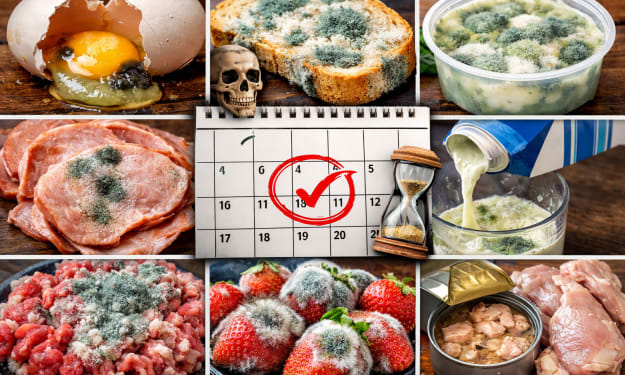
9 Foods You Should Never Eat Past the Expiration Date, No Exceptions
But certain foods cross a line where the expiration date becomes about more than just quality—it’s about safety. Eating past that line can expose you to dangerous bacteria, toxins, or nutrient loss you can’t see or smell. Knowing which foods to never push beyond their expiration dates is key to keeping your kitchen safe. Here are the nine foods that are not worth the risk.
By General gyan4 days ago in Lifehack



Comments
There are no comments for this story
Be the first to respond and start the conversation.