
Enhancing Data Optimization and Security: Expert Advice for You
Data Optimization and Security

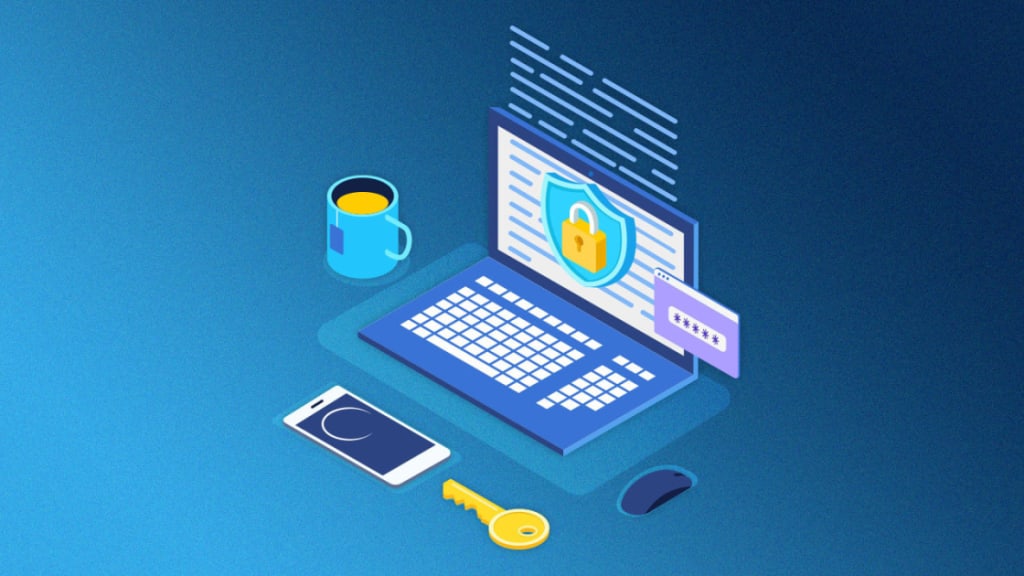
In the digital age, data has become the lifeblood of businesses and organizations worldwide. The vast amount of data generated daily provides invaluable insights, aids decision-making processes, and drives innovation. However, with this abundance of data comes the responsibility to optimize its usage while ensuring robust security measures are in place to protect sensitive information. In this article, we will explore expert advice on enhancing data optimization and security to help you safeguard your organization's valuable assets.
1. Embrace Data Classification and Governance
Data classification is a crucial step in optimizing data usage and security. By categorizing data based on its sensitivity and importance, organizations can prioritize their security efforts and apply appropriate access controls. Implementing a data governance framework ensures that data is managed throughout its lifecycle, from creation to disposal, following established policies and procedures.
Furthermore, data governance promotes transparency, accountability, and compliance with relevant regulations, such as the General Data Protection Regulation (GDPR) or the Health Insurance Portability and Accountability Act (HIPAA). Regular audits and reviews of data handling processes ensure continuous improvement and adherence to best practices.
2. Employ Encryption and Tokenization
Encryption is an indispensable tool for protecting sensitive data from unauthorized access. By converting data into unreadable code, even if unauthorized parties gain access to it, the information remains incomprehensible. End-to-end encryption for data in transit and at rest, along with robust encryption key management, is crucial to ensure the confidentiality and integrity of data.
Tokenization is another technique that enhances data security by substituting sensitive data with unique tokens. These tokens have no exploitable value and are used for operations that don't require the original data. Tokenization minimizes the exposure of sensitive information, reducing the risk of data breaches significantly.
3. Implement Multi-Factor Authentication (MFA)
Passwords alone are no longer sufficient to protect user accounts and data. Implementing Multi-Factor Authentication (MFA) adds an extra layer of security by requiring users to provide multiple forms of identification before accessing sensitive information. MFA typically involves a combination of something the user knows (password), something they have (a physical token or mobile device), or something they are (biometric data).
MFA significantly reduces the risk of unauthorized access, especially in cases where passwords might be compromised through phishing attacks or data breaches.
4. Regular Data Backups and Disaster Recovery Planning
Data optimization involves ensuring data availability when needed. Regular data backups are essential to prevent data loss due to hardware failures, cyber-attacks, or natural disasters. An efficient disaster recovery plan outlines steps to recover data and resume operations quickly in the event of a catastrophic incident.
To optimize the data recovery process, organizations can employ techniques like incremental backups, differential backups, and leveraging cloud-based backup solutions for added redundancy.
5. Monitor and Analyze Data Access
Monitoring and analyzing data access are critical components of data optimization and security. Advanced logging and auditing tools can track user activities, including data access, modifications, and transfers. By analyzing these logs, organizations can detect anomalous behavior, potential security breaches, or misuse of data.
Machine learning and artificial intelligence technologies can assist in identifying patterns that humans might miss, enhancing data security and proactive threat detection.
6. Educate Employees on Data Security Best Practices
Employees are the first line of defense against data breaches and security incidents. Properly educating and training staff on data security best practices is vital. This includes awareness about phishing attacks, social engineering, and the significance of safeguarding sensitive information.
Regular training sessions and simulated phishing exercises can help reinforce good security habits and ensure that employees remain vigilant in protecting data.
7. Continuously Update Security Measures
Cybersecurity threats are continually evolving, and data optimization and security measures must keep pace. Regularly updating software, firmware, and security protocols is essential to patch vulnerabilities and defend against emerging threats.
Organizations should stay informed about the latest security trends and employ proactive measures to address potential risks.
Conclusion
Enhancing data optimization and security is an ongoing process that requires a multi-faceted approach. By embracing data classification, encryption, multi-factor authentication, and proper data governance, organizations can optimize data usage while protecting it from potential threats. Regular backups, disaster recovery planning, and continuous monitoring ensure data availability and timely threat detection. Educating employees and staying updated on security trends further fortifies an organization's defense against data breaches and cyber-attacks. Ultimately, safeguarding data is not only a legal obligation but also crucial for maintaining customer trust and preserving an organization's reputation in an increasingly interconnected world.
About the Creator
Kai Jones
With 11 years of experience in the cybersecurity industry, I have become a well-respected consultant in the field.



Comments
There are no comments for this story
Be the first to respond and start the conversation.