
Endoscopic Carpal Tunnel Release: A Minimally Invasive Remedy for Carpal Tunnel Syndrome
Exploring the Advantages of ECTR, the Role of Nerve Compression Metrics, and Coding Practices
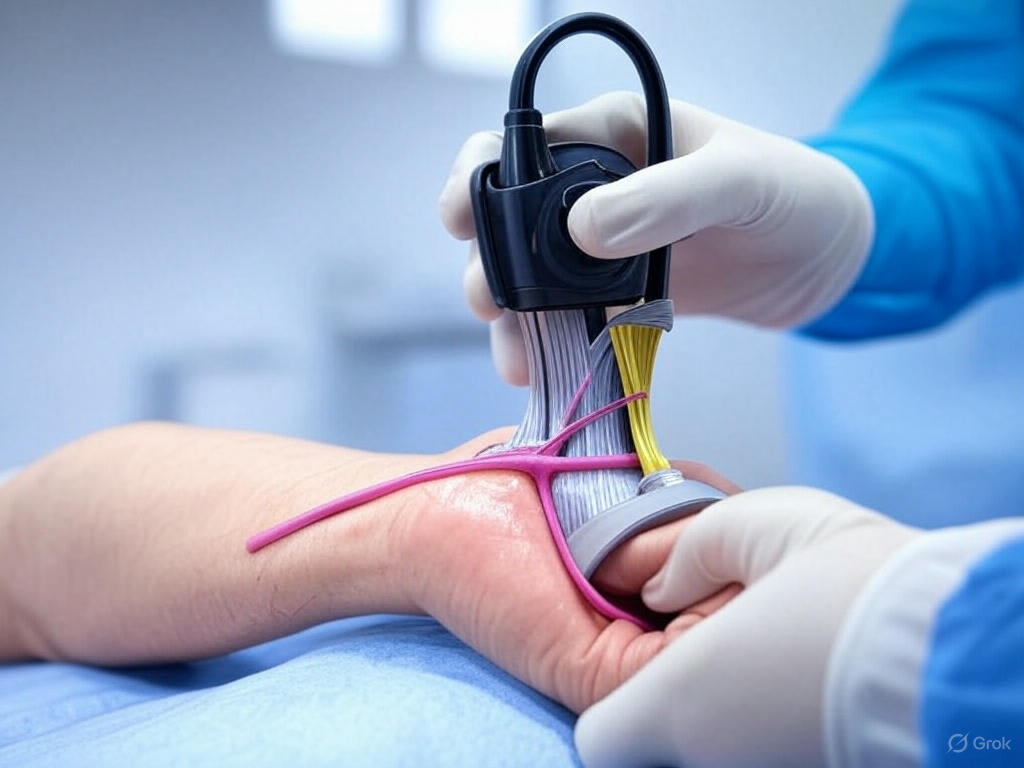
Carpal tunnel syndrome (CTS) affects over 8 million Americans annually, making it one of the most common nerve-related disorders. Characterized by numbness, tingling, and weakness in the hand, CTS arises from compression of the median nerve in the wrist. While conservative treatments like splinting or steroids offer temporary relief, Endoscopic Carpal Tunnel Release (ECTR) has revolutionized long-term management. This article examines the benefits of ECTR, the significance of nerve compression size charts, and the coding nuances of carpal tunnel syndrome.
Understanding Carpal Tunnel Syndrome
The carpal tunnel is a narrow passageway in the wrist housing the median nerve and flexor tendons. Repetitive motions, obesity, diabetes, or anatomical factors can inflame the tendons, compressing the nerve. Symptoms often start gradually, progressing to chronic pain, loss of grip strength, and disrupted sleep. Left untreated, CTS can lead to permanent nerve damage.
Endoscopic Carpal Tunnel Release (ECTR)
ECTR is a minimally invasive surgical procedure that alleviates pressure on the median nerve by cutting the transverse carpal ligament. Using a tiny camera (endoscope) inserted through a 1–2 cm incision, surgeons visualize the ligament and divide it with specialized tools. Unlike open surgery, ECTR preserves surrounding tissues, reducing scarring and accelerating recovery.
Benefits of ECTR
Faster Healing: Smaller incisions mean less post-operative pain and a quicker return to daily activities (1–2 weeks vs. 6–8 weeks for open surgery).
- Reduced Scarring: Minimal visible scarring compared to traditional methods.
- Lower Complication Risk: Less damage to nerves, blood vessels, and skin.
- High Success Rate: Over 90% of patients report significant symptom relief.
- Bilateral Treatment: Both hands can be treated in a single session if needed.
Procedure and Recovery
ECTR is performed under local or regional anesthesia in an outpatient setting. The surgeon makes a small incision near the wrist crease, inserts the endoscope, and releases the ligament. The procedure takes 15–30 minutes per hand. Post-operatively, patients wear a splint for 1–2 days and begin gentle exercises to restore mobility. Most resume light work within days and full activity by 2–3 weeks.
Nerve Compression Size Chart in mm²
Diagnosing CTS severity relies on imaging and electrodiagnostic tests. A nerve compression chart based on median nerve cross-sectional area (CSA) measured via ultrasound helps stratify cases:
- Mild: CSA < 10 mm² (managed conservatively).
- Moderate: 10–15 mm² (candidates for ECTR or steroid injections).
- Severe: >15 mm² (urgent surgical intervention recommended).
- Importance of Nerve Compression Metrics
- Guides Treatment: Determines if surgery is necessary.
- Monitors Progression: Tracks nerve damage pre- and post-treatment.
- Enhances Patient Education: Visual metrics clarify the urgency of intervention.
Diagnostic Tools
- Ultrasound: Measures median nerve CSA and identifies structural abnormalities.
- Electromyography (EMG): Assesses nerve function and damage severity.
- MRI: Reserved for complex cases to rule out tumors or cysts.
Clinical Management Options
- Conservative: Wrist splints, activity modification, NSAIDs.
- Interventional: Corticosteroid injections, ECTR.
- Surgical: Open carpal tunnel release (reserved for severe recurrences).
Carpal Tunnel Syndrome ICD-10 Coding
Accurate coding ensures proper reimbursement and data tracking. Key codes include:
- G56.0: Carpal tunnel syndrome (specify bilateral if applicable).
- G56.8: Other mononeuropathies of the upper limb.
- Z96.82: Presence of a nerve stimulator (for post-surgical coding).
Coding Considerations
Document laterality (left, right, bilateral).
Specify if CTS is work-related (e.g., due to repetitive motion).
Include comorbidities like diabetes or rheumatoid arthritis.
Conclusion
Endoscopic Carpal Tunnel Release offers a modern, patient-centric solution for CTS, combining precision with minimal disruption to daily life. Pairing nerve compression size charts with advanced imaging ensures tailored treatment plans, while accurate ICD-10 coding streamlines healthcare workflows. By embracing these strategies, patients regain hand function and quality of life, underscoring the value of innovation in nerve disorder management.
About the Creator
Ranjan Kumar Pradhan
Unleash your curiosity and dive into a realm of captivating wonders. Join me on a journey of knowledge, inspiration, and thought-provoking insights. Let's embark on an extraordinary adventure together.
Keep reading
More stories from Ranjan Kumar Pradhan and writers in Lifehack and other communities.
Endovenous Laser Ablation: Where Advanced Technology Meets Pain-Free Vein Care
Varicose veins—those twisted, bulging veins often visible on the legs—are more than a cosmetic concern. For millions worldwide, they cause pain, swelling, and fatigue, impacting daily life and self-confidence. While compression stockings and lifestyle changes offer temporary relief, modern medicine provides a groundbreaking solution: Endovenous Laser Ablation (EVLA). This minimally invasive procedure has revolutionized varicose vein treatment, offering faster recovery, minimal discomfort, and impressive results.
By Ranjan Kumar Pradhan10 months ago in Lifehack
Forgotten Packing Items That Make Port A Rentals Guest-Friendly
Stepping into a vacation rental should feel like a home away from home, with a clean space, cozy beds, and, perhaps, a great view to unwind. But sometimes, even the best-planned trips can be disrupted by an unexpected challenge when guests forget to pack a few essentials.
By The Mayan Princess3 days ago in Lifehack
Cooking Up Connection: Romantic Recipes to Enjoy as a Couple
Turning your kitchen into a romantic space doesn’t require extravagant effort. Start with lighting—switch off the overhead lights and let candles or warm lamps create a cozy atmosphere. Add soft music that you both enjoy and clear the counters to give yourselves space to move freely. These thoughtful touches can transform even a modest kitchen into a place of intimacy and fun.
By Micah Love-Allotey3 days ago in Lifehack




Comments (2)
Wonderful article and very informative
Carpal Tunnel Syndrome Is painful. Yay for fixing it! Good work!