
Emergency Fund: How Much You Really Need and How to Save It Fast
Get rolling on your emergency fund today
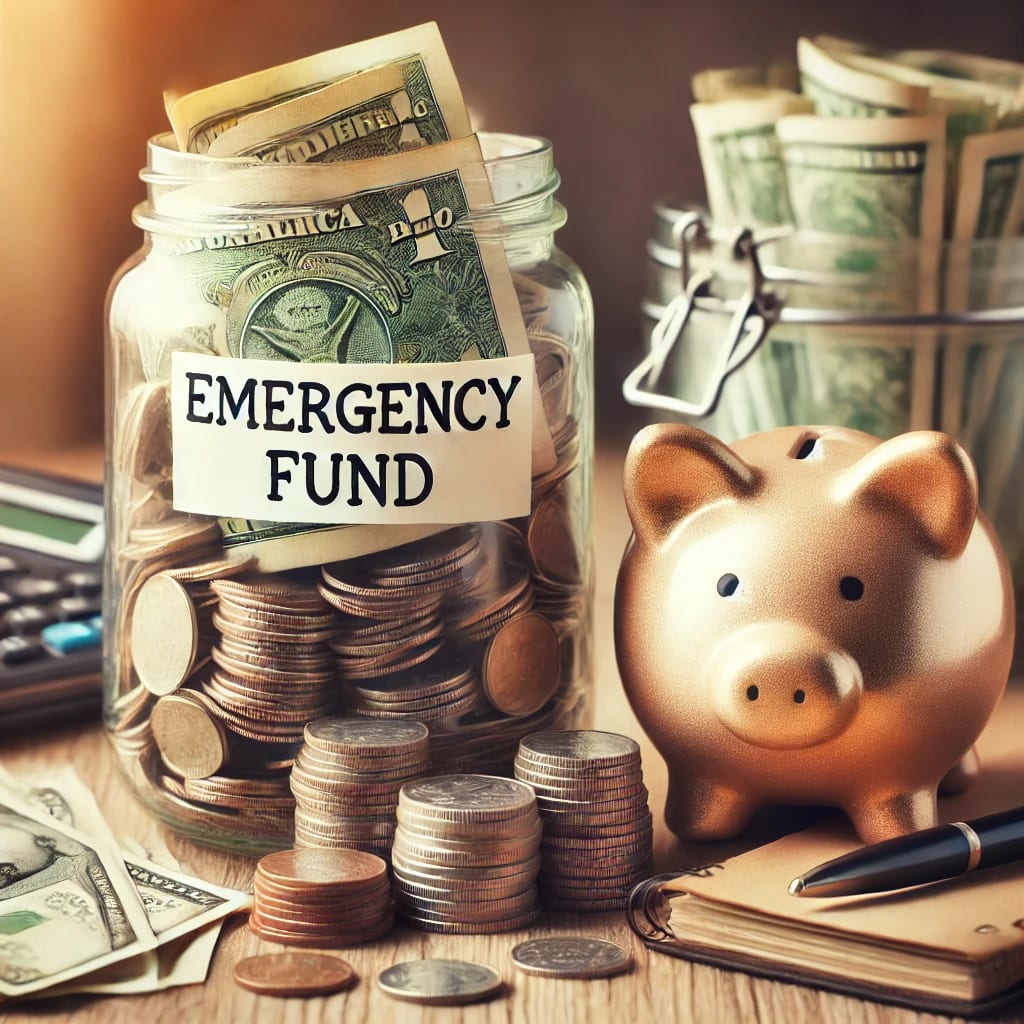
An emergency fund is one of the most important building blocks of a solid financial foundation. It’s the money you set aside to cover unexpected expenses, providing a safety net that protects you from financial instability when life throws a curveball. Whether it’s a medical bill, a car repair, or even a sudden job loss, having an emergency fund ensures that you’re prepared to handle life’s surprises without going into debt. This guide will help you understand exactly how much you should save and offer practical strategies to build your emergency fund quickly.
Why You Need an Emergency Fund
An emergency fund is about more than just money in the bank; it’s about peace of mind. Without one, even a small financial setback can disrupt your life. Here are some critical reasons to have an emergency fund:
1. Avoid Debt: Without a savings buffer, an unexpected expense could lead to credit card debt, loans, or even payday loans with high interest rates, setting you back financially.
2. Financial Stability: An emergency fund allows you to continue meeting your financial obligations even when income stops or expenses increase unexpectedly.
3. Peace of Mind: Knowing that you have money set aside for emergencies reduces stress and lets you approach financial decisions more confidently.
How Much Should You Save?
The common recommendation is to save three to six months’ worth of living expenses, but the exact amount depends on your lifestyle, job stability, and individual needs.
1. Three Months of Expenses: This is often enough if you have a stable job with reliable income or if you have multiple sources of income in your household.
2. Six Months of Expenses: If you’re self-employed, work in an industry with variable income, or have dependents, six months is a safer target.
3. Twelve Months of Expenses: For those with high financial obligations, health concerns, or unstable employment, saving up to a year’s worth of expenses may provide the best cushion.
Calculating Your Emergency Fund Amount
To determine how much you need, calculate your essential monthly expenses. These typically include:
• Housing: Rent or mortgage payments
• Utilities: Electricity, gas, water, and internet
• Food: Groceries and necessary household supplies
• Insurance: Health, auto, and home insurance
• Transportation: Car payments, fuel, and maintenance, or public transportation costs
• Debt Payments: Minimum payments on loans or credit cards
• Other Essentials: Childcare, medication, and other recurring expenses
Add these expenses up, then multiply by the number of months you want to cover. For instance, if your essential expenses are $3,000 a month, a six-month emergency fund would total $18,000.
Strategies to Build Your Emergency Fund Fast
Now that you know how much you need, let’s look at effective ways to build your emergency fund quickly without feeling overwhelmed.
1. Open a Dedicated High-Yield Savings Account
Setting up a high-yield savings account specifically for your emergency fund is a great first step. High-yield accounts generally offer higher interest rates than standard savings accounts, which helps your money grow faster. Keeping your emergency savings separate also minimizes the temptation to spend it on non-essential purchases.
Pro Tip: Look for an account with no fees and a decent interest rate, ideally at an online bank that offers better rates than traditional banks.
2. Automate Your Savings
Consistency is key when building an emergency fund. Set up an automatic transfer from your checking account to your emergency fund account. By automating your savings, you make it a regular expense, just like rent or utilities.
Suggested Amounts: Start with an amount you’re comfortable with, even if it’s only $50 or $100 a month. As you get used to the process, consider increasing the transfer amount to accelerate your savings.
3. Start with a Smaller Goal
Saving three to six months’ worth of expenses can feel daunting, especially if you’re starting from scratch. To stay motivated, set smaller, achievable milestones. Aim for an initial goal of $500, then $1,000, and so on until you reach your target.
Why This Works: Smaller milestones feel more attainable and provide a sense of progress, helping you stay committed to your ultimate goal.
4. Cut Non-Essential Expenses
Review your monthly spending and identify non-essential items that you can cut or reduce. By making temporary adjustments, you can free up extra cash to funnel directly into your emergency fund.
Common Cuts to Consider:
• Dining Out: Try cooking at home and packing lunches.
• Subscriptions: Cancel unused subscriptions and streaming services.
• Shopping: Limit discretionary spending, such as clothing or gadgets.
5. Use Windfalls and Bonuses
Any unexpected money, such as a tax refund, work bonus, or cash gifts, can provide a quick boost to your emergency fund. Instead of spending this money, consider saving it to get closer to your goal faster.
Smart Use of Windfalls: Allocate a percentage of any extra funds directly to your emergency savings, treating it as an opportunity to accelerate your progress.
6. Take on a Side Gig
If you’re serious about building your emergency fund quickly, consider taking on a side job. From freelancing to driving for a rideshare company, side gigs can provide a steady stream of additional income.
Ideas for Side Hustles:
• Freelancing: Offer skills like writing, graphic design, or web development on platforms like Upwork or Fiverr.
• Rideshare or Delivery Services: Drive for services like Uber, Lyft, or DoorDash.
• Selling Items: Declutter your home and sell unwanted items on eBay, Poshmark, or Facebook Marketplace.
7. Track Your Progress
Regularly tracking your progress can keep you motivated. Use a budgeting app or spreadsheet to monitor your savings balance and celebrate each milestone. Seeing the numbers grow can reinforce your commitment and make the journey more rewarding.
Goal Setting: Consider setting monthly or quarterly targets and reviewing them to ensure you’re on track. If you’re falling short, look for additional ways to save or adjust your spending.
Where to Keep Your Emergency Fund
Choosing the right place for your emergency fund is essential. Ideally, you want a safe, accessible account that offers a decent return without exposing you to risk. Here are a few popular options:
1. High-Yield Savings Accounts: These accounts offer interest rates higher than regular savings accounts and are FDIC-insured, keeping your funds secure.
2. Money Market Accounts: Similar to high-yield savings accounts but may offer check-writing privileges for easy access.
3. Certificates of Deposit (CDs): CDs generally offer higher returns but require you to lock up your funds for a set period. Consider a CD ladder to access portions of your savings at different intervals.
How to Use Your Emergency Fund
An emergency fund is for true emergencies only. Use it when you encounter unforeseen expenses, like medical bills, car repairs, or temporary job loss. Avoid tapping into it for regular bills, planned expenses, or vacations. The goal is to preserve the fund for situations where it’s truly needed.
Final Thoughts
Building an emergency fund takes time and discipline, but it’s one of the best financial decisions you can make for long-term security. Start with small steps, automate your savings, cut unnecessary expenses, and consider ways to earn extra income. Every contribution, no matter how small, brings you closer to financial peace of mind.
Having an emergency fund isn’t just about being financially responsible—it’s about gaining control over your life and your future. With a solid savings buffer in place, you’ll be prepared for whatever comes your way, confident in your ability to handle life’s challenges without financial strain.
About the Creator
Keep reading
More stories from Jordan Henner and writers in Lifehack and other communities.
Credit Cards vs. Debit Cards: Which Is Better for You?
In today’s fast-paced financial landscape, the choice between credit cards and debit cards is more significant than ever. Both payment methods offer unique advantages and potential drawbacks, making it essential to understand their differences to make informed financial decisions. This comprehensive guide will delve into the pros and cons of credit and debit cards, helping you determine which aligns best with your financial goals and lifestyle.
By Jordan Hennerabout a year ago in Lifehack
Warm Travel Blessings to Send Loved Ones on Their Way
Travel is one of life’s most beautiful experiences. It opens the door to new places, new people, and new perspectives. Whether someone is heading out for a short weekend getaway or embarking on a long adventure across continents, the emotions surrounding travel are always a mix of excitement and anticipation. That’s why sending thoughtful happy journey wishes feels so meaningful it’s a way of wrapping your love, care, and blessings into words that accompany them wherever they go.
By Princess Xiaou4 days ago in Lifehack
The Piggy Project
I’ve had so many names in this life I lose track of which ones were ever really mine and which ones I wore because someone needed me to. Some were handed to me before I had words to refuse them, before I knew what they meant, before I knew I could say no. Most weren’t meant to hurt. That doesn’t mean they didn’t leave marks. Marks that told me who I belong to, who I am by way of who claims me, recognizes me in the good and bad, who walks beside me.
By Fatal Serendipity6 days ago in Confessions




Comments
There are no comments for this story
Be the first to respond and start the conversation.