
Credit Cards vs. Debit Cards: Which Is Better for You?
Decide your own financial future
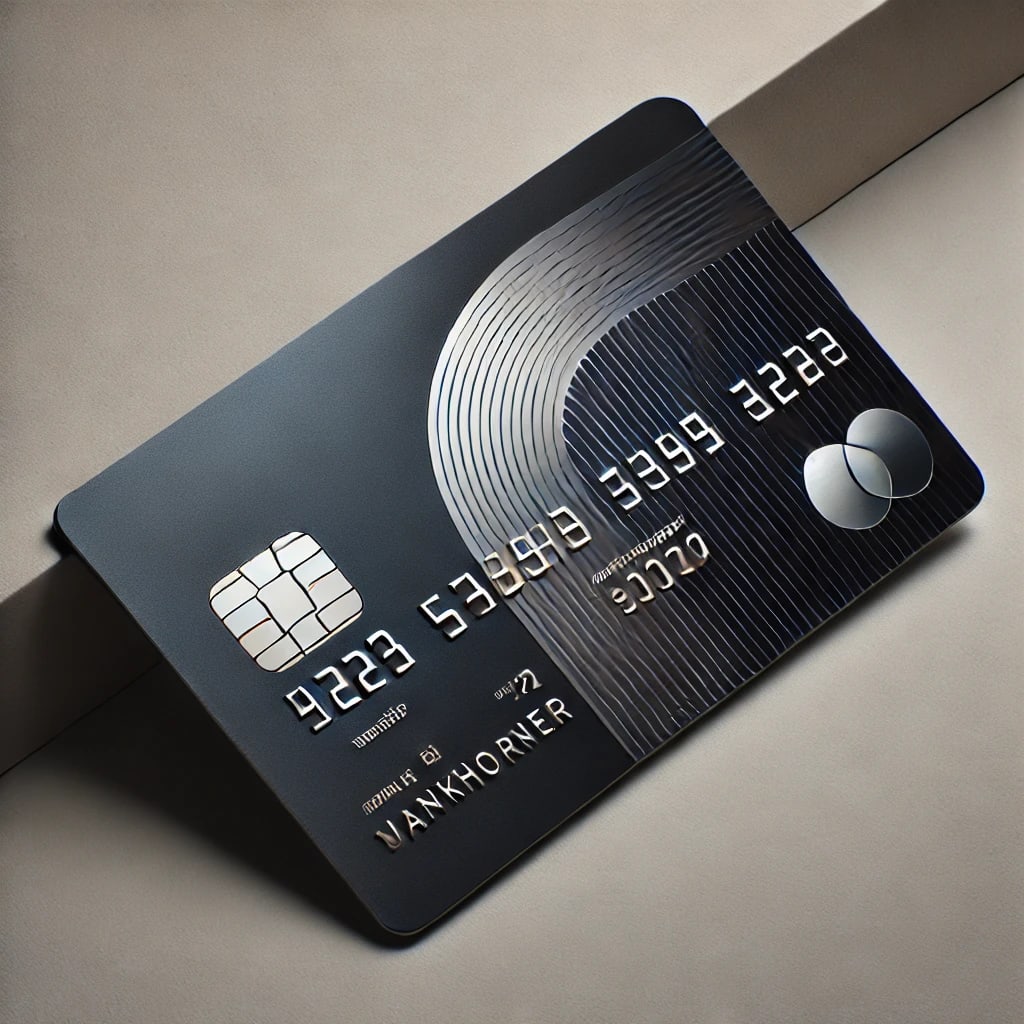
In today’s fast-paced financial landscape, the choice between credit cards and debit cards is more significant than ever. Both payment methods offer unique advantages and potential drawbacks, making it essential to understand their differences to make informed financial decisions. This comprehensive guide will delve into the pros and cons of credit and debit cards, helping you determine which aligns best with your financial goals and lifestyle.
Understanding Credit Cards
A credit card allows you to borrow funds from a financial institution up to a predetermined limit to make purchases or withdraw cash. You’re required to repay the borrowed amount, typically with interest, if not paid in full by the due date.
Pros of Credit Cards:
1. Building Credit History: Responsible use of a credit card can help establish and improve your credit score, which is crucial for securing loans, mortgages, and favorable interest rates. 
2. Rewards and Cash Back: Many credit cards offer rewards programs, including cash back, travel points, or discounts on purchases, providing added value for your spending. 
3. Purchase Protection: Credit cards often come with purchase protection benefits, such as extended warranties and fraud protection, safeguarding you against defective products or unauthorized transactions. 
4. Emergency Funds: In unexpected situations, a credit card can serve as a financial safety net, allowing you to cover expenses even if you don’t have immediate funds available.
Cons of Credit Cards:
1. Interest Charges: Carrying a balance on your credit card can lead to high-interest charges, increasing your debt over time. 
2. Potential for Overspending: The ease of using credit cards can tempt some individuals to spend beyond their means, leading to financial strain.
3. Fees: Credit cards may come with annual fees, late payment fees, and foreign transaction fees, which can add up if not managed properly.
Understanding Debit Cards
A debit card is linked directly to your checking account, allowing you to spend money you already have. When you make a purchase, funds are immediately deducted from your account.
Pros of Debit Cards:
1. No Debt Accumulation: Since you’re using your own money, there’s no risk of accumulating debt or paying interest charges.
2. Budget Control: Debit cards can help you manage your spending, as you can only spend what you have in your account, reducing the risk of overspending. 
3. No Interest Fees: Unlike credit cards, debit cards don’t charge interest, making them a cost-effective option for everyday transactions.
Cons of Debit Cards:
1. Limited Fraud Protection: While many banks offer fraud protection, debit cards may not provide the same level of security as credit cards. Unauthorized transactions can lead to immediate loss of funds, and recovery may take time. 
2. No Credit Building: Using a debit card doesn’t contribute to building your credit history, which is essential for future borrowing needs.
3. Overdraft Fees: If you spend more than what’s in your account, you may incur overdraft fees, which can be costly.
Key Differences Between Credit and Debit Cards
1. Source of Funds: Credit cards allow you to borrow money up to a certain limit, while debit cards use funds directly from your checking account.
2. Impact on Credit Score: Responsible use of credit cards can build your credit score, whereas debit card usage doesn’t affect your credit history.
3. Fraud Liability: Credit cards typically offer better fraud protection, with liability often capped at $50 for unauthorized transactions. Debit card fraud can result in more significant losses if not reported promptly. 
4. Rewards Programs: Credit cards often come with rewards programs, offering cash back, points, or travel miles. Debit cards may offer rewards, but they are generally less generous.
When to Use a Credit Card
• Building Credit: If you’re looking to establish or improve your credit score, using a credit card responsibly is an effective strategy.
• Large Purchases: For significant expenses, credit cards offer purchase protection and the ability to dispute charges if necessary.
• Travel and Online Shopping: Credit cards provide enhanced fraud protection, making them a safer option for online transactions and travel-related expenses.
When to Use a Debit Card
• Everyday Expenses: For routine purchases like groceries or gas, using a debit card can help you stick to your budget and avoid debt.
• Avoiding Debt: If you’re prone to overspending, a debit card ensures you only spend what you have, preventing debt accumulation.
• Cash Withdrawals: Debit cards are ideal for withdrawing cash from ATMs without incurring cash advance fees associated with credit cards.
Combining Both for Optimal Financial Health
Many individuals find that using both credit and debit cards strategically can offer the best of both worlds. For example, using a credit card for larger purchases to take advantage of rewards and protection, while relying on a debit card for everyday expenses to maintain budget control, can be an effective approach.
Tips for Responsible Card Usage
1. Pay Balances in Full: If using a credit card, aim to pay off the balance each month to avoid interest charges.
2. Monitor Accounts Regularly: Keep an eye on your account statements to detect any unauthorized transactions promptly.
3. Set Spending Limits: Establish personal spending limits to prevent overspending and maintain financial discipline.
4. Understand Terms and Fees: Familiarize yourself with the terms, interest rates, and fees associated with your cards to avoid unexpected charges.
Conclusion
Choosing between a credit card and a debit card depends on your financial habits, goals, and needs. Credit cards offer benefits like credit building and rewards but require disciplined use to avoid debt. Debit cards provide straightforward spending without the risk of debt but lack the credit-building advantages. By understanding the pros and cons of each, you can make informed decisions that align with your financial objectives and lead to a healthier financial future.
About the Creator
Keep reading
More stories from Jordan Henner and writers in Lifehack and other communities.
10 Tips for Boosting Your Credit Score Fast
Your credit score plays a major role in determining your financial opportunities, from getting approved for a mortgage or car loan to qualifying for the best interest rates on credit cards. A higher credit score opens doors to financial freedom, while a low score can limit your options and increase the cost of borrowing. If you’re looking to boost your credit score fast, these 10 actionable tips will help you improve your score quickly and effectively.
By Jordan Hennerabout a year ago in Lifehack
Top Things to Do in North Potomac for Families
Known for its quiet neighborhoods and welcoming atmosphere, North Potomac appeals to families who value space, safety, and a strong sense of community. Whether you are new to the area or have lived here for years, there are plenty of activities that families can enjoy together.
By House Doctor4 days ago in Lifehack



Comments
There are no comments for this story
Be the first to respond and start the conversation.