
Embracing Seasonal Power Fruits and Vegetables: A Guide to Eating Fresh Year-Round
"Discover the Benefits of Seasonal Eating: Nourish Your Body and Elevate Your Meals with Nature’s Bounty"


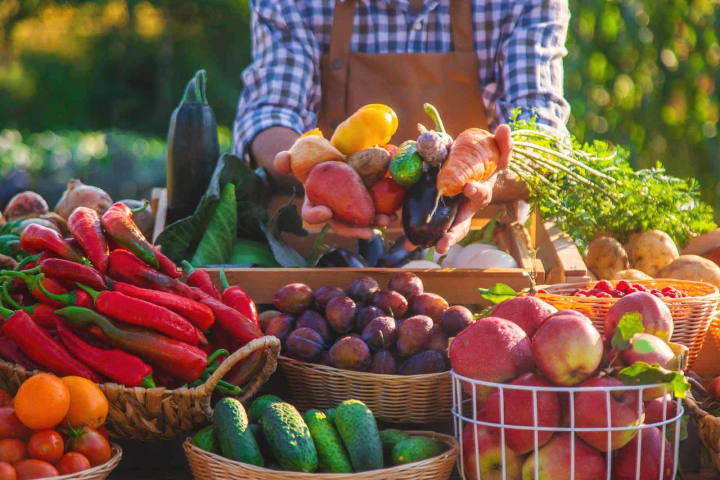
Consuming in-season fruits and vegetables not only makes your meals better, but it also helps local farmers and keeps the environment healthier. This post will discuss the advantages of eating in season produce, how to recognize what’s in season, and how to include these nutrient-dense items in your diet all year round.
Why Eat Seasonal Produce?
1. Better Flavor
Since seasonal produce is harvested when it is at its ripest, it is frequently more flavorful than produce cultivated outside of the designated growing season. Eating in-season produce will allow you to fully savor the flavor of the food, which will improve the quality of your meals.
2. Nutritional Benefits
Compared to out-of-season selections, seasonal produce is typically fresher and maintains more nutrients. Long-distance transport of fruits and vegetables may cause part of their nutritional content to be lost. Consuming seasonal, locally grown food guarantees that you’re obtaining the maximum amount of nutrients.
3. Environmental Impact
Selecting produce that is in season lowers your carbon footprint. Produce that is transported large distances or cultivated in greenhouses frequently needs more energy and resources. Eating in accordance with the seasons contributes to pollution reduction and sustainable farming methods.
4. Cost-Effectiveness
Produce that is in season is typically less expensive than that which is not. Prices decrease when there is an excess of fruits and vegetables. You may eat a variety of healthful meals at a lower cost by purchasing what is in season.
5. Supports Local Farmers
You can help your local economy by buying seasonal produce from nearby farms or farmers’ markets. This keeps agricultural diversity intact by ensuring that small farmers can prosper.
Identifying Seasonal Produce
Understanding which fruits and vegetables are in season is the first step towards eating seasonally. Here’s a guide to Northern Hemisphere seasonal produce:
Spring (March — May)
- Fruits: rhubarb, strawberries, cherries, and apricots.
- veggies: artichokes, spinach, radishes, peas, and asparagus.
Summer (June — August)
- Fruits: melons, peaches, blueberries, raspberries, and tomatoes.
- Vegetables: eggplant, bell peppers, cucumbers, corn, and zucchini.
Fall (September — November)
- Fruits include figs, grapes, pears, and apples.
- Brussels sprouts, sweet potatoes, carrots, and pumpkins are examples of vegetables.
Winter (December — February)
- Fruits: pomegranates, kiwis, and citrus fruits (grapefruits, oranges, and lemons).
- Kale, cabbage, turnips, and root crops like parsnips and beets are examples of vegetables.
How to Incorporate Seasonal Produce into Your Diet
Eating produce that is in season can be tasty and enjoyable. To assist you in incorporating them into your meals, consider the following useful advice.
1. Visit Farmers’ Markets
Fresh, in-season produce can be found at farmers’ markets. You can frequently discuss the methods used to raise and harvest their produce with the farmers. Your appreciation of your food may grow as a result of this relationship.
2. Plan Your Meals
Every week, set aside some time to organize meals that highlight seasonal ingredients. For instance, you may concentrate on making salads in the summer with fresh tomatoes and cucumbers, and in the fall, you could prepare hearty soups with root vegetables and pumpkins.
3. Experiment with New Recipes
You could be inspired to attempt new recipes by what’s in season. Look for recipes that showcase the produce you’ve bought, including fruits and vegetables. For instance, consider preparing a fall vegetable medley or a springtime strawberry-rhubarb pie.
4. Preserve Seasonal Foods
If you have an oversupply of vegetables throughout the season, think about canning it for later use. For year-round enjoyment, you can preserve your veggies by canning, freezing, or making jams.
For more information click here now:
5. Join a Community Supported Agriculture (CSA) Program
With CSAs, you can purchase a portion of the vegetables grown nearby. You’ll get a box of fresh fruits and veggies every week. This is a fantastic way to learn about new foods and assist regional agriculture.
6. Create a Seasonal Grocery List
Make a list of the seasonal produce and fruits you wish to purchase before you go to the market. By doing this, you can maintain focus and avoid buying items that aren’t in season and might not taste as nice.
Delicious Seasonal Recipes
To help you maximize seasonal fruit, try these easy recipes:
Spring: Asparagus and Pea Salad
Ingredients:
- One bunch of asparagus, thinly sliced into small pieces.
- One cup of fresh peas (or thawed frozen peas)
- One-fourth cup of crumbled feta cheese
- Two tsp olive oil
- One lemon’s juice
- To taste, add salt and pepper.
Instructions:
- Blanch the asparagus for two to three minutes in a kettle of boiling water, or until it is bright green and soft. After draining, rinse with cold water.
- The asparagus, peas, and feta cheese should all be combined in a big bowl.
- Mix the lemon juice, olive oil, salt, and pepper in a small bowl. Dollop onto the salad and gently stir.
Summer: Grilled Vegetable Skewers
Ingredients:
- One sliced zucchini
- Cut one bell pepper into squares.
- One cup of cherry tomatoes
- 1 cubed eggplant, chopped
- Two tsp olive oil
- Add the salt, pepper, and your preferred herbs (such as thyme or rosemary).
Instructions:
- Set your grill’s temperature to medium-high.
- Vegetables should be combined in a bowl with herbs, salt, pepper, and olive oil drizzled over them.
- After skewering the vegetables, grill them for ten to fifteen minutes, flipping them over occasionally, until they are soft and beginning to caramelize.
Fall: Pumpkin Soup
Ingredients:
- one medium pumpkin, diced and peeling
- One sliced onion and two minced garlic cloves
- Four cups of vegetable stock
- One teaspoon of cumin
- To taste, add salt and pepper.
- Half a cup of cream, if desired
Instructions:
- Add the onion and garlic to a large pot and sauté until transparent.
- Add the cumin, salt, pepper, pumpkin, and broth. After bringing to a boil, lower the heat, and cook the pumpkin until it is soft.
- Once the soup is smooth, add the cream, if using, and stir. Warm up and serve.
Winter: Citrus Salad
Ingredients:
- Two oranges, cut and peeled
- One peeled and sliced grapefruit
- One tsp honey
- One-third cup olive oil
- To garnish, use fresh mint leaves.
Instructions:
- Place the wedges of citrus fruit on a dish for presentation.
- Mix the olive oil and honey in a small bowl. Pour some over the oranges.
- Serve cold, garnished with fresh mint leaves.
Conclusion
Accepting the fruits and vegetables of the season is a satisfying approach to improve your diet, help out local farmers, and encourage sustainability. Eating in season will improve flavor, increase nutrition, and have a smaller environmental impact. Make the most of the rich flavors that each season has to offer, try new dishes, and discover the delights of seasonal vegetables with the aid of this book. Your body and taste buds will appreciate you for starting now!
About the Creator
Healthy positive lifestyle
Welcome to my Vocal! I'm dedicated to health and fitness, sharing tips, workouts, and nutrition advice to inspire your wellness journey. Join me for practical insights and motivation as we strive for a healthier, happier life together!
Keep reading
More stories from Healthy positive lifestyle and writers in Lifehack and other communities.
How to Be a Traditional Healer: A Guide to Traditional Medicine
Using natural treatments and age-old procedures to promote healing and well-being, traditional medicine is a time-honored profession. Many different traditional healing techniques have been produced by civilizations all over the world and are frequently handed down through the generations. This article will walk you through the crucial procedures and methods involved in traditional medicine if you’re interested in becoming a traditional healer.
By Healthy positive lifestyleabout a year ago in Lifehack
If I don't laugh… I'll go crazy
First paragraph: A morning unfit for human use Saeed woke up feeling like someone had restarted him while he was asleep but forgot to reset the settings. The alarm rang, wouldn't stop, and turned into a war cry. Saeed got up and slapped it. The alarm fell, the battery flew out, and his phone said, "Yes, sir, I'm turning off completely."
By Mohamed Hamdy6 days ago in Lifehack




Comments (2)
Nice one from you.
Interesting piece