
Embracing Healthy Eating Habits
A Path to Wellness

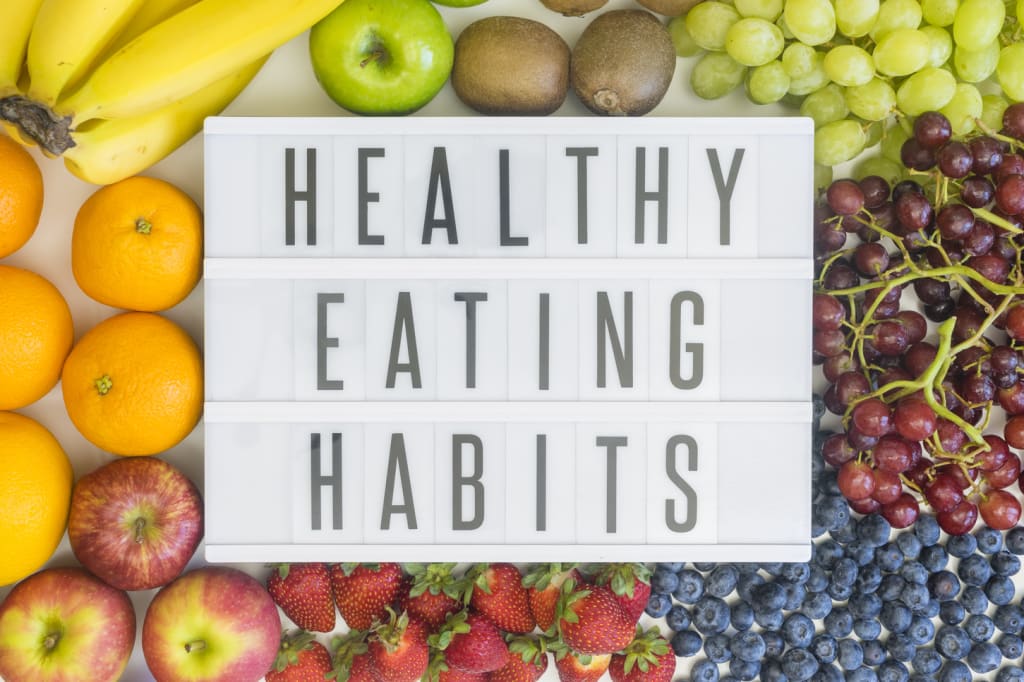
In today’s fast-paced world, maintaining a healthy diet can often feel like an overwhelming challenge. However, cultivating good eating habits is one of the most effective ways to enhance your overall well-being and energy levels. The key lies in adopting a balanced approach that aligns with your lifestyle and nutritional needs. Here’s a comprehensive guide to developing healthy eating habits that will support your long-term health.
1. Focus on Whole Foods
Whole foods—such as fruits, vegetables, whole grains, lean proteins, and nuts—should form the foundation of your diet. These foods are minimally processed and retain their natural nutrients, providing essential vitamins, minerals, and fiber. Incorporate a variety of colors and types of fruits and vegetables to ensure you’re getting a wide range of nutrients.
2. Practice Portion Control
Portion control is crucial to managing calorie intake and maintaining a healthy weight. Pay attention to serving sizes and avoid eating large portions out of habit. Using smaller plates and bowls can help you eat more mindfully and prevent overeating. Listen to your body’s hunger cues and eat until you’re satisfied, not stuffed.
3. Stay hydrated.
Water is vital for almost every bodily function, including digestion and metabolism. Aim to drink at least 8 glasses of water a day and adjust based on your activity level and climate. Sometimes, feelings of hunger can actually be a sign of dehydration, so make sure you’re drinking enough fluids throughout the day.
4. Incorporate healthy fats.
Not all fats are created equal. Focus on including healthy fats in your diet, such as those found in avocados, nuts, seeds, and olive oil. These fats are beneficial for heart health and can help keep you full and satisfied. Limit saturated fats and avoid trans fats, which can increase the risk of heart disease.
5. Choose lean proteins.
Proteins are essential for muscle repair and overall health. Opt for lean protein sources such as chicken, turkey, fish, tofu, and legumes. Incorporating a variety of protein sources can help you meet your nutritional needs while keeping your meals interesting and flavorful.
6. Reduce sugar and salt intake.
Excessive sugar and salt can lead to health issues such as high blood pressure and diabetes. Be mindful of hidden sugars in processed foods and beverages and choose natural sweeteners like honey or fruit when possible. Use herbs and spices to flavor your food instead of relying on salt.
7. Plan your meals.
Planning your meals ahead of time can help you make healthier choices and avoid the temptation of fast food. Set aside time each week to create a meal plan and prepare nutritious snacks. Having healthy options readily available reduces the likelihood of reaching for less nutritious alternatives.
8. Eat mindfully.
Eating mindfully involves paying full attention to your food and eating experience. This means savoring each bite, eating slowly, and enjoying the flavors and textures of your meals. Mindful eating can help you recognize true hunger and fullness, making it easier to maintain a healthy weight.
9. Balance Your Plate
A well-balanced plate includes a variety of food groups: half of your plate should be filled with vegetables and fruits, one-quarter with lean protein, and one-quarter with whole grains. This balance helps ensure you’re getting a mix of essential nutrients in each meal.
10. Listen to your body.
Everyone’s nutritional needs are different. Pay attention to how different foods make you feel and adjust your diet accordingly. If you have specific health concerns or dietary restrictions, consider consulting a registered dietitian or nutritionist for personalized advice.
Conclusion
Healthy eating is not about strict dieting or depriving yourself; it’s about making informed choices that nourish your body and support your overall well-being. By focusing on whole foods, practicing portion control, and being mindful of your eating habits, you can develop a balanced approach to nutrition that fits seamlessly into your lifestyle. Remember, small, sustainable changes often lead to the most lasting benefits, so start with manageable steps and build from there. Your future self will thank you for the investment in your health and vitality.
About the Creator
Justice Momodu
Hey! I'm Justice Momodu. I'm a lifehack writer who specializes in offering practical advice on food, health, and daily lifestyle, helping readers optimize their routines for a healthier and more balanced life.
Reader insights
Nice work
Very well written. Keep up the good work!
Top insights
Compelling and original writing
Creative use of language & vocab
Easy to read and follow
Well-structured & engaging content
Keep reading
More stories from Justice Momodu and writers in Lifehack and other communities.
Foods That Make Your Bones Stronger
Maintaining bone health is crucial for overall well-being, especially as we age. Bones are not static structures; they are constantly being remodeled through a process that involves both bone formation and resorption. To support this dynamic process, it is essential to consume foods rich in nutrients that contribute to bone strength. Here’s a comprehensive guide to foods that help keep your bones strong and healthy.
By Justice Momodu2 years ago in Lifehack
Building Influence in a Remote Team
In traditional office environments, influence often developed naturally through proximity. People who spoke confidently in meetings, participated in hallway discussions, or regularly interacted with leadership often gained recognition and influence simply because they were visible.
By Bahati Mulishia day ago in Lifehack
How to Hire a Quality Painting Team in Sydney Without the Job Dragging On
A repaint is meant to be a tidy upgrade: cleaner lines, brighter rooms, a place that feels looked-after again. Yet plenty of paint projects in Sydney turn into a slow-motion inconvenience—rooms half usable, dates sliding, and that lingering sense the finish isn’t quite right.
By Evelyn Heard3 days ago in Lifehack
Becca
"Everything is so... flat." Denille said stupidly as she looked around her new neighborhood. She looked around at the muted desert where even the smallest sign of life seemed to have given up. The plant life was shrubs that were half cooked by the heat and where there should have been a lawn, a mess of white rocks laid glistening in the sun. Even the sky looked stretched thin, like the sun had ironed it smooth. She’d moved from Riverside, where at least there were hills, but here in Barstow, everything felt baked and brittle.
By Sara Wilson6 days ago in Fiction




Comments (5)
So so amazing .i love your content and subscribed. Kindly reciprocate by subscribing to me also . thank you and keep it up
Thanks for sharing
Thanks for sharing
Good article
Very good content.