
Electric Vertical Blinds vs. Traditional Blinds: Choose the Right One
Modern and stylish, electric blinds are the ultimate window dressing for luxury and convenience.

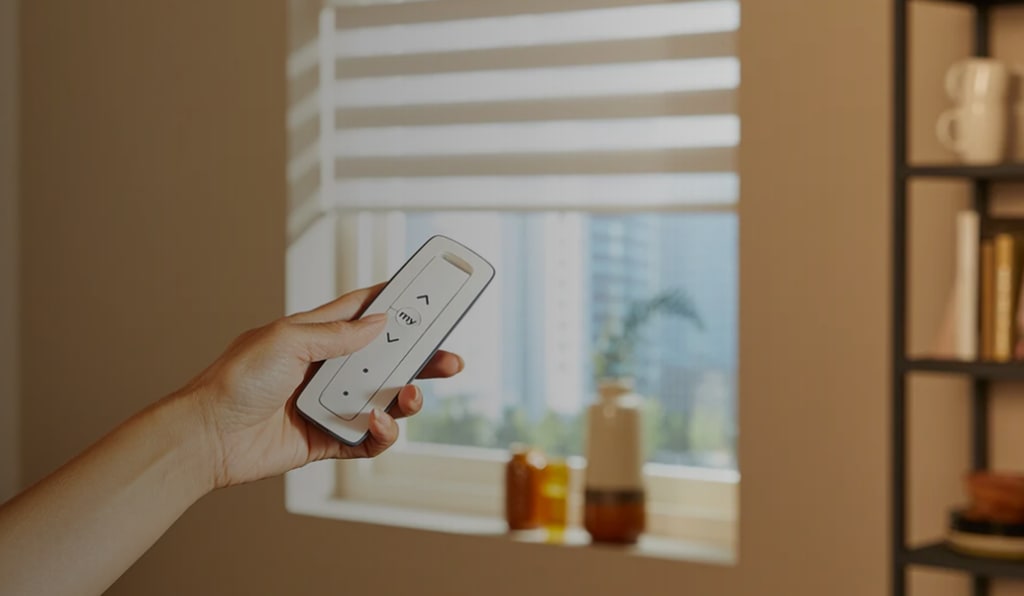
Window treatments play a vital role in home décor and functionality. They enhance the aesthetic appeal of your space and heighten privacy and control over natural light. When choosing between electric vertical and traditional blinds, homeowners face a decision that balances modern convenience with classic appeal. In this blog, we'll explore the differences between these options, considering factors such as functionality, design, and cost to help determine which is right for you.
Introduction to Electric Vertical Blinds and Traditional Blinds
Electric vertical blinds represent a significant advancement in window treatment technology. These blinds operate via a motor, allowing you to adjust them with a remote control, wall switch, or smartphone app. This automation offers unparalleled convenience, making electric vertical blinds an excellent choice for modern homes.
Traditional blinds, including roller blinds, Venetian blinds, and vertical blinds, have been a staple in home decor for decades. These blinds are operated manually by pulling a cord or twisting a wand. They are known for their simplicity, variety of styles, and affordability.
Factors to Consider
Several important factors must be considered when choosing between electric vertical and traditional blinds. Each type of blind offers unique advantages and drawbacks, so weighing the different aspects before deciding is essential. Here are vital considerations to keep in mind when comparing electric vertical blinds and traditional blinds:
1. Convenience and Ease of Use
Electric Vertical Blinds:
Remote Control: Electric vertical blinds can be operated with a remote control, allowing you to adjust them without leaving your seat.
Smart Home Integration: Many electric blinds can be merged with smart home techniques, enabling voice control and automation based on the time of day or sunlight intensity.
Accessibility: Ideal for hard-to-reach windows or individuals with mobility issues.
Traditional Blinds:
Manual Operation: Requires physical effort to adjust, which can be a drawback for some homeowners.
No Integration: Lacks advanced features and smart home compatibility for electric blinds.
2. Design and Aesthetics
Electric Vertical Blinds:
Modern Appeal: Offers a sleek, contemporary look that complements modern interior design.
Customisation: Available in a wide variety of materials and colours, making it easy to fit in your existing decor.
Personalised Blinds: Many manufacturers offer bespoke options, allowing for personalised designs and finishes.
Traditional Blinds:
Classic Styles: Available in traditional styles like wood, faux wood, fabric, and aluminium.
Versatility: Suitable for both modern and classic interiors, offering timeless elegance.
Custom Options: Can also be personalised with different materials, patterns, and colours.
3. Cost Considerations
Electric Vertical Blinds:
Initial Investment: Typically, more expensive due to the motorisation and smart features.
Long-Term Value: Offers convenience and can increase home value, potentially offsetting the initial cost.
Traditional Blinds:
Affordable: Generally, less expensive, making them a budget-friendly option.
Replacement Costs: Easier and cheaper to replace if damaged.
4. Energy Efficiency
Electric Vertical Blinds:
Automated Adjustments: Can be programmed to open and close at optimal times, reducing heating and cooling costs.
Improved Insulation: Some electric blinds come with features that enhance insulation, contributing to energy efficiency.
Traditional Blinds:
Manual Control: Energy efficiency depends on manual adjustments, which may not always be optimal.
Insulation: Certain materials and designs can offer good insulation but not as effectively as automated systems.
5. Safety Features
Electric Vertical Blinds:
Child Safety: No cords mean reduced risk of accidents for children and pets.
Secure Operation: Remote control or app-based operation adds an extra layer of safety, preventing unauthorised access.
Traditional Blinds:
Corded Risks: Cords can pose a safety hazard for young children and pets.
Cordless Options: Some traditional blinds offer cordless designs to mitigate safety concerns.
Consider these factors to make an informed decision that aligns with your lifestyle and aesthetic preferences. Whether you prioritise modern convenience or traditional charm, both types of blinds offer distinct benefits.
When to Choose Electric Vertical Blinds
Electric vertical blinds offer homeowners a modern and convenient solution when choosing window treatments. They are particularly well-suited for modern homes with smart home systems, large windows, and high ceilings. Additionally, they provide enhanced convenience and energy efficiency, making them a practical choice for many households.
Modern Homes: Electric vertical blinds perfectly match contemporary homes with smart home systems.
Large Windows and High Ceilings: Ideal for large windows or hard-to-reach areas where manual operation is impractical.
Enhanced Convenience: Homeowners seeking the ultimate convenience and automation will appreciate ease of use and advanced features.
Energy Efficiency: If excess energy expense management is the requirement, then automated adjustments of electric blinds can offer significant savings.
When to Choose Traditional Blinds
Here are some important points to remember when deciding whether traditional blinds are the right choice for you.
Classic Interiors: Traditional blinds are well-suited for homes with a classic or timeless aesthetic.
Budget Constraints: Traditional blinds provide an affordable yet stylish solution for those on a budget.
Simple Operation: Homeowners who prefer manual control and straightforward operation may find traditional blinds more appealing.
Frequent Replacement: If you anticipate replacing blinds often, traditional options are more cost-effective.
Conclusion
Choosing between electric verticals and traditional blinds depends on your needs, preferences, and budget. Electric vertical blinds offer modern convenience, advanced features, and smart home integration, making them ideal for contemporary homes and tech-savvy homeowners. On the other hand, traditional blinds provide timeless style, affordability, and simplicity, making them a versatile choice for various interiors.
When considering your options, consider your desired convenience level, design preferences, budget, energy efficiency goals, and safety concerns. Electric vertical and traditional blinds have unique advantages that help you make the right choice.
If you're looking to enhance your home's functionality and aesthetic appeal with cutting-edge technology, electric vertical blinds might be the perfect choice. Alternatively, traditional blinds could be the way to go if you prefer classic styles and budget-friendly solutions.
Regardless of your choice, investing in quality window treatments will undoubtedly elevate the comfort and style of your home. For those in the market for personalised blinds, many manufacturers offer custom options to ensure that your window treatments perfectly match your décor and meet your needs.
About the Creator
The Shutter Studio
The Shutter Studio are experts in bespoke plantation shutters, made to measure blinds, smart blinds and patio awnings. Established in 2011, The Shutter Studio is a trusted, family-run business known for delivering a great job, always.
Keep reading
More stories from The Shutter Studio and writers in Lifehack and other communities.
How Electric Roller Blinds Sync with Your Home Automation System
In the modern era of smart homes, the integration of various technologies is making our lives more convenient and efficient. Among these advancements, electric roller blinds stand out as a notable example of how automation can enhance everyday living. These innovative window coverings not only offer a touch of luxury but also seamlessly sync with your home automation system to provide unparalleled comfort and control. Here’s a look at how electric roller blinds work in harmony with your home automation system and why they might be the perfect addition to your smart home.
By The Shutter Studioabout a year ago in Lifehack
Top Seattle Mobile App Development Trends to Watch in 2026
The moment often comes quietly. A leadership team reviews last year’s mobile roadmap and realizes how much has already shifted. Costs are higher. Users are less patient. Regulations feel closer. What worked even two years ago now feels slightly outdated.
By Samantha Blake5 days ago in Lifehack
The Day I Finally Met Myself
Start writing...I used to believe that life was about winning. A good career. People’s approval. Smiling photos that looked perfect on social media. I thought success would arrive loudly—like applause after a long performance. But the day I finally met myself, I realized I had been searching in the wrong places all along.
By Rahman Khan6 days ago in Lifehack



Comments
There are no comments for this story
Be the first to respond and start the conversation.