
Eco-Friendly Living in Islamabad’s Farmhouse Societies: Sustainable Living Redefined
Farmhouses in Islamabad: Embracing Eco-Friendly Living for a Sustainable and Serene Future.

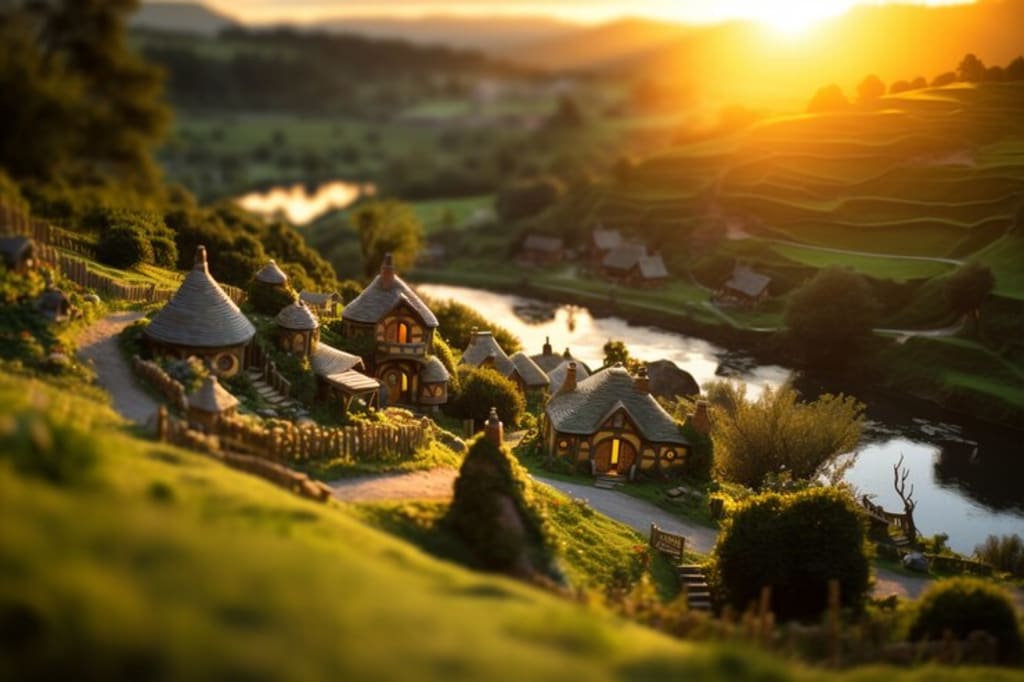
Islamabad, the capital city of Pakistan, is renowned for its serene landscapes, lush greenery, and well-planned infrastructure. Over the years, the concept of farmhouse living has gained immense popularity among those seeking a peaceful retreat away from the hustle and bustle of urban life. Farmhouses in Islamabad are not just about luxury and comfort; they are increasingly becoming a symbol of sustainable and eco-friendly living. This shift towards environmentally conscious living is redefining the way people perceive and experience farmhouse lifestyles.
The Rise of Eco-Friendly Farmhouses in Islamabad
Farmhouses in Islamabad have traditionally been associated with sprawling estates, manicured lawns, and opulent designs. However, as environmental concerns grow, many homeowners and developers are embracing eco-friendly practices to minimize their carbon footprint. These sustainable farmhouses are designed to harmonize with nature, rather than disrupt it. From energy-efficient designs to organic farming, eco-friendly farmhouses are setting a new standard for sustainable living.
Key Features of Sustainable Farmhouses
Solar Energy Utilization
One of the most significant steps towards eco-friendly living is the adoption of renewable energy sources. Many farmhouses in Islamabad are now equipped with solar panels to harness the abundant sunlight. Solar energy not only reduces electricity bills but also decreases reliance on non-renewable energy sources, making it a win-win for both homeowners and the environment.
Water Conservation Systems
Water scarcity is a growing concern in many parts of the world, including Pakistan. Eco-friendly farmhouses often incorporate rainwater harvesting systems and water recycling mechanisms. These systems collect and store rainwater for irrigation and other non-potable uses, reducing the strain on local water resources. Additionally, drip irrigation techniques are employed to minimize water wastage in gardens and agricultural plots.
Organic Farming and Gardening
A defining feature of sustainable farmhouses is the emphasis on organic farming. Homeowners grow their own fruits, vegetables, and herbs without the use of chemical fertilizers or pesticides. This not only ensures a supply of fresh, healthy produce but also promotes biodiversity and soil health. Many farmhouses also feature native plants and trees, which require less water and maintenance compared to exotic species.
Eco-Friendly Construction Materials
The construction of eco-friendly farmhouses prioritizes the use of sustainable materials such as bamboo, reclaimed wood, and recycled steel. These materials are not only environmentally friendly but also durable and aesthetically pleasing. Additionally, passive cooling techniques, such as proper ventilation and insulation, are incorporated to reduce the need for air conditioning.
Waste Management Practices
Effective waste management is a cornerstone of sustainable living. Farmhouses in Islamabad are increasingly adopting composting systems to convert organic waste into nutrient-rich compost for gardens. Non-biodegradable waste is segregated and recycled wherever possible, reducing the amount of waste that ends up in landfills.
The Benefits of Eco-Friendly Farmhouse Living
Living in an eco-friendly farmhouse offers numerous benefits, both for individuals and the environment. For homeowners, it provides a healthier and more sustainable lifestyle, free from the pollutants and stresses of urban living. The use of renewable energy and water conservation systems also leads to significant cost savings in the long run.
From an environmental perspective, sustainable farmhouses contribute to the preservation of natural resources and the reduction of greenhouse gas emissions. By promoting organic farming and biodiversity, these farmhouses play a vital role in maintaining ecological balance.
Challenges and the Way Forward
While the trend towards eco-friendly farmhouses is encouraging, there are challenges that need to be addressed. The initial cost of implementing sustainable practices, such as installing solar panels or water recycling systems, can be high. However, these investments often pay off over time through reduced utility bills and increased property value.
Education and awareness are also crucial in promoting sustainable living. Homeowners and developers need to be informed about the long-term benefits of eco-friendly practices and the positive impact they can have on the environment.
Conclusion
Farmhouses in Islamabad are no longer just a symbol of luxury; they are becoming a beacon of sustainable living. By integrating eco-friendly practices such as solar energy, water conservation, organic farming, and waste management, these farmhouses are redefining what it means to live in harmony with nature. As more people embrace this lifestyle, Islamabad’s farmhouse societies are poised to set an example for sustainable living, not just in Pakistan but around the world. Eco-friendly farmhouses are not just a trend; they are a necessity for a greener, healthier future.
About the Creator
Real Estate Experts
Real estate experts with 10+ years of global experience offer top-notch services, guiding clients in buying, selling, and investing with unmatched expertise and personalized solutions.
Keep reading
More stories from Real Estate Experts and writers in Lifehack and other communities.
Family-Friendly Farmhouses in Islamabad: Ideal Communities for a Balanced Lifestyle
In recent years, Islamabad has emerged as a top choice for individuals and families seeking a balanced lifestyle. The city offers a rare combination of modern amenities and natural serenity. Among the many housing options available, farmhouses in Islamabad have gained immense popularity due to their unique appeal, particularly for families. These farmhouses are not only a luxurious retreat but also a practical choice for those looking to escape the hustle and bustle of city life.
By Real Estate Experts12 months ago in Chapters
X Account Hacking: Advanced Protection Against Modern Cracking Threats
The Evolving Battle for Your X (Twitter) Account In the rapidly changing landscape of social media, X (formerly Twitter) has become a central hub for communication, news, and business. This significance makes it a prime target for cybercriminals who continuously refine their attack methods. While understanding these threats is crucial for defense, it is vital to recognize that attempting to hack into an account you do not own is illegal, unethical, and can result in severe legal consequences, including criminal prosecution. This guide, informed by cybersecurity experts, details the modern threat landscape and provides a definitive, actionable blueprint to fortify your X presence against sophisticated attacks in 2026.
By Alexander Hoffmann3 days ago in Lifehack
Wild Card Weekend Recap: What Happens Now?
I think I figured out why I love Wild Card Weekend so much. It's because it's the first playoff anything of the calendar year. The NFL season starts in the fall, and once upon a time, the champion was crowned either on or slightly before New Year's. The evolution of the NFL schedule has resulted in the playoffs starting just into the New Year, and currently, the final week of the season falls on the first weekend of the New Year, with Wild Card Weekend coming a week after that. So yes, chronologically, the NFL's Wild Card Weekend serves as the first playoff anything of the calendar year.
By Clyde E. Dawkins6 days ago in Unbalanced



Comments
There are no comments for this story
Be the first to respond and start the conversation.