
Eco-Friendly Basement Finishing: Sustainable Ideas for Utah Homes
A well-designed basement should be versatile, energy-efficient, and long-lasting.

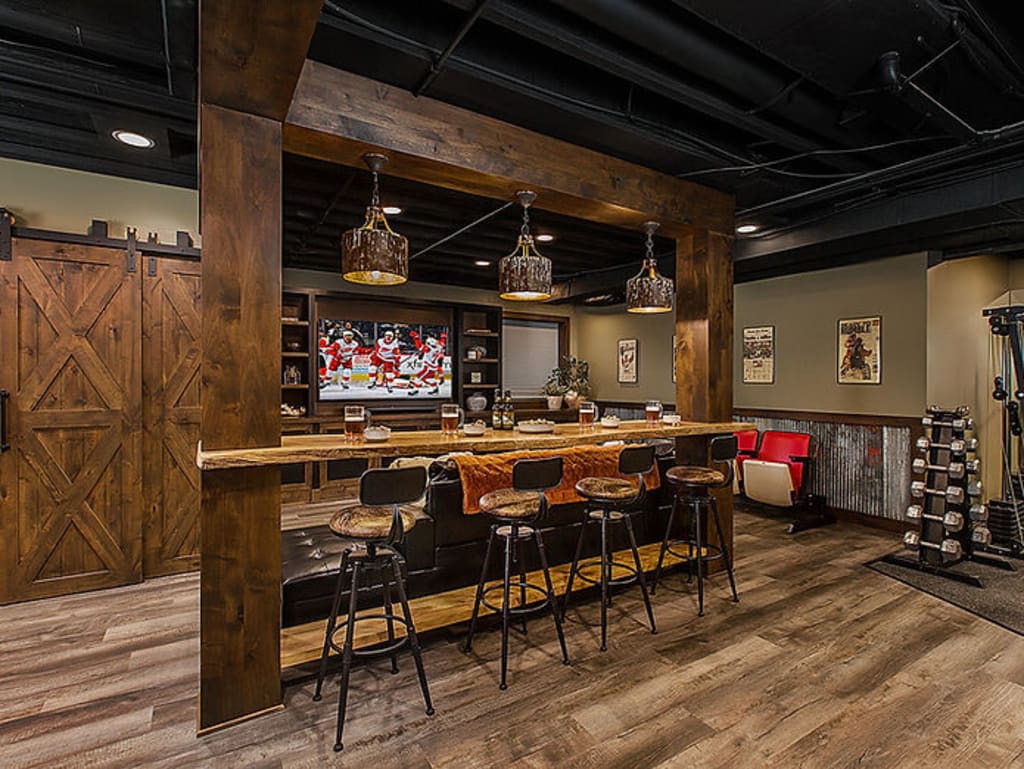
Basement finishing is an excellent way to expand your living space while increasing property value. But to make a lasting impact, homeowners are now opting for eco-friendly basement remodeling solutions. By choosing sustainable materials, energy-efficient features, and responsible water management, you can create a basement that is both stylish and environmentally friendly.
Whether you’re finishing a basement for a home office, entertainment space, or guest suite, incorporating green building practices can reduce your carbon footprint while improving energy efficiency. Let’s explore the best ways to achieve a sustainable basement remodel that enhances comfort and saves on long-term costs.
Energy-Efficient Features for a Greener Basement
A key component of sustainable basement finishing is reducing energy consumption. Since basements tend to be cooler and have limited natural light, using energy-efficient upgrades can make a big difference in comfort and cost savings.
Proper insulation is essential when building basement walls, as it prevents heat loss and improves indoor air quality. Opt for high-performance insulation materials such as spray foam, recycled denim, or rigid foam boards, which provide excellent thermal resistance and moisture control. This helps keep your basement warm in the winter and cool in the summer, reducing reliance on heating and cooling systems.
Lighting is another area where sustainability plays a role. Switching to LED lighting significantly cuts down on energy consumption while offering longer-lasting illumination. Additionally, consider installing motion-sensor lights to prevent unnecessary energy use when the basement is unoccupied.
A well-ventilated basement is crucial for maintaining air quality. Investing in an Energy Star-certified dehumidifier or a heat recovery ventilator (HRV) can help regulate airflow, prevent mold growth, and maintain a comfortable environment year-round. To further enhance efficiency, installing a smart thermostat allows you to manage temperature settings more effectively, optimizing energy use throughout the home.
Eco-Friendly Materials for Basement Remodeling
Selecting sustainable materials for basement remodeling ensures that your renovation has a minimal environmental impact. Many conventional building materials contain harmful chemicals, so opting for non-toxic and recyclable alternatives is a smart choice.
For flooring, basements require moisture-resistant options that also align with sustainable principles. Materials such as bamboo, cork, reclaimed wood, and recycled rubber are excellent choices. Bamboo is durable and grows quickly, making it an eco-conscious alternative to traditional hardwood. Cork, on the other hand, is naturally resistant to mold and mildew, making it ideal for basements with high humidity levels.
Walls and finishes should also be selected carefully. Instead of standard drywall, recycled gypsum board or magnesium oxide board offer a greener alternative that is resistant to mold and fire. When it comes to painting, using low-VOC or zero-VOC paints reduces indoor air pollution and creates a healthier living space.
Furniture and built-ins can also incorporate sustainable materials. Consider using reclaimed wood for shelving, cabinets, or accent walls. Recycled glass countertops and salvaged fixtures add character to the space while minimizing waste. By repurposing materials, you can create a unique and environmentally responsible basement that blends functionality with aesthetics.
Sustainable Water Management in Basement Remodeling
Water management is a critical factor in sustainable basement finishing, as improper drainage can lead to mold, mildew, and structural damage. Ensuring that your basement remains dry and well-maintained will enhance longevity and indoor air quality.
Investing in proper waterproofing solutions is essential. Techniques such as French drains, sump pumps with battery backups, and moisture-resistant sealants help prevent water damage and keep the basement dry. Additionally, using permeable concrete for basement flooring can aid in better water absorption and reduce the risk of flooding.
If your finished basement includes a bathroom or laundry area, installing low-flow toilets, water-efficient faucets, and Energy Star-rated washing machines can significantly reduce water consumption. These fixtures use less water without sacrificing performance, making them an essential part of an eco-friendly remodel.
For homeowners looking to take sustainability a step further, a rainwater harvesting system can be integrated into basement plumbing. Collected rainwater can be used for non-drinking purposes such as flushing toilets or watering indoor plants, further reducing household water usage.
Multipurpose and Sustainable Design for Your Basement
A well-designed basement should be versatile, energy-efficient, and long-lasting. Whether used as a home office, gym, guest room, or entertainment area, a multi-functional approach ensures that the space meets your changing needs while maintaining sustainability.
A method to accomplish this is by using furniture that is modular and can be moved around or used for different purposes over time. Built-in storage solutions, such as wall-mounted shelves made from reclaimed wood, help maximize space while minimizing material waste.
Basements often lack natural light, so utilizing light-colored walls, mirrors, and strategically placed lighting can make the space feel more open and inviting. Installing egress windows or light wells allows for increased daylight exposure while improving ventilation. For homeowners who want additional brightness, solar tubes provide an energy-efficient way to bring natural light into the basement.
For soundproofing, sustainable materials such as cork wall panels and recycled denim insulation help absorb noise while adding an eco-friendly touch. Whether your basement serves as a quiet retreat or an entertainment hub, using soundproof materials can improve overall comfort.
A finished basement can also double as a home gym, yoga studio, or meditation space. Choosing non-toxic, sustainable flooring and eco-friendly workout equipment ensures a healthier indoor environment. Natural ventilation and air-purifying plants can further enhance the wellness benefits of the space.
The Benefits of an Eco-Friendly Basement Remodel
Making sustainable choices when finishing a basement offers long-term advantages beyond just reducing environmental impact. Homeowners who opt for an eco-friendly remodel enjoy several benefits, including lower energy costs, improved indoor air quality, and increased property value.
An energy-efficient basement significantly reduces heating and cooling expenses. Proper insulation, LED lighting, and smart temperature control can lead to noticeable savings on monthly utility bills. Additionally, using low-VOC paints and natural materials helps prevent indoor pollutants, contributing to a healthier home environment for your family.
From an investment standpoint, a green basement remodel enhances property appeal. Today’s buyers prioritize sustainability, and homes with eco-friendly features often have higher resale value. Sustainable upgrades, such as high-performance insulation and smart water management systems, make your home more attractive to potential buyers.
Transform Your Basement with NOCO Accents
If you're considering a basement remodel that prioritizes sustainability, NOCO Accents is here to help. Our expert basement remodel contractors specialize in energy-efficient designs sustainable materials, and high-quality craftsmanship to create a functional and eco-conscious living space.
About the Creator
NOCO Accents
At NOCO Accents in Windsor Colorado, Our specialties span the spectrum of home and business improvement. We create custom accent walls that pop,
Keep reading
More stories from NOCO Accents and writers in Lifehack and other communities.
How to Find the Best Landscaper for Your Home
A beautifully landscaped home is not just about aesthetics; it enhances curb appeal, increases property value, and creates a welcoming environment. Whether you need regular landscape maintenance services, a complete garden transformation, or a sprinkler repair, finding the right professional is essential to achieving long-lasting results.
By NOCO Accents11 months ago in Lifehack




Comments (2)
Nice work ! What was your trigger for writing this ? 🏆
Wonderful ideas! Great work!