
Easy ways to stop smoking
this will happen to your body if you stop smoking

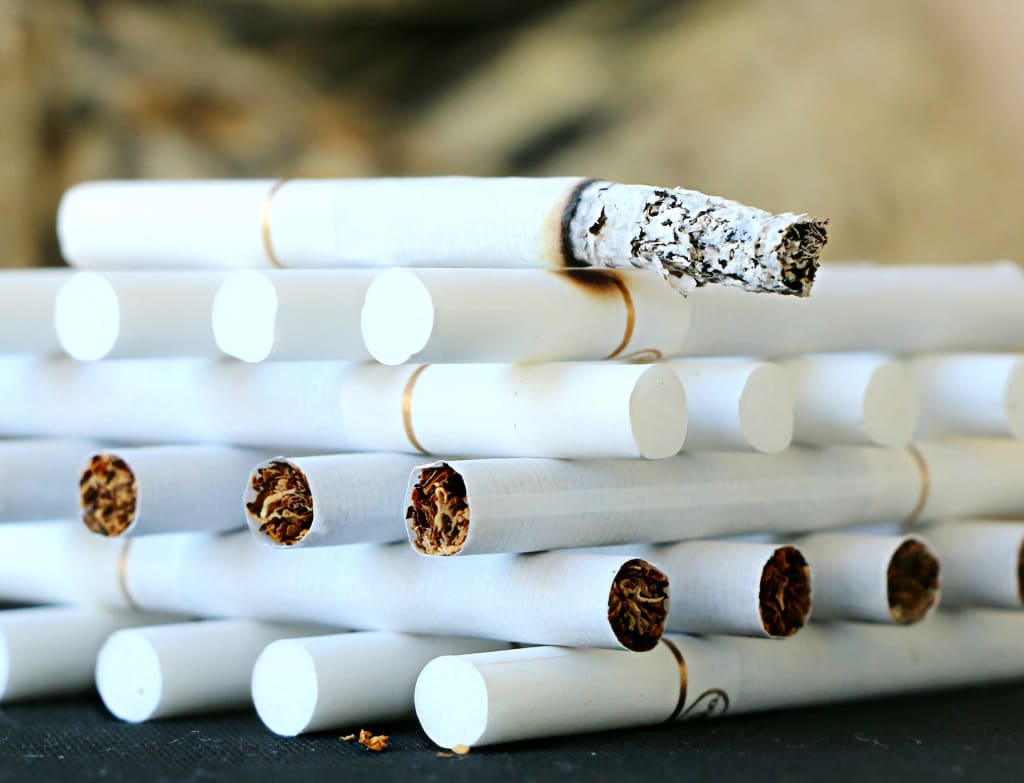
Stopping smoking can be a challenging endeavor, but it is a highly beneficial and rewarding decision for your health and overall well-being. Quitting smoking has numerous advantages, including reducing the risk of developing various health conditions, improving lung function, and enhancing your quality of life. While the journey to becoming smoke-free may require commitment and perseverance, there are several strategies and resources available to support you in your endeavor. In this response, I will provide you with an extensive guide on how to stop smoking.
1. Set a Quit Date and Make a Plan:
• Choose a specific date to quit smoking. This provides a clear goal to work towards.
• Create a personalized plan that outlines your strategies and coping mechanisms for dealing with cravings and withdrawal symptoms.
• Consider telling your family, friends, and coworkers about your decision to quit. Their support and understanding can be invaluable during challenging times.
2. Understand the Effects of Smoking:
• Educate yourself about the harmful effects of smoking. Understand the health risks associated with smoking, such as lung cancer, heart disease, stroke, and respiratory disorders.
• Recognize the financial burden of smoking. Calculate how much money you spend on cigarettes each week or month, and visualize the potential savings once you quit.
3. Seek Professional Help:
• Consult a healthcare professional, such as your doctor or a smoking cessation counselor. They can provide guidance, support, and recommend appropriate medications or nicotine replacement therapies (NRTs) to assist with quitting.
• Consider joining a smoking cessation program or support group. These programs offer a supportive environment where you can connect with others who are going through a similar journey.
4. Identify Triggers and Develop Coping Strategies:
• Identify situations, emotions, or activities that trigger the urge to smoke. Common triggers include stress, socializing with smokers, or certain routines.
• Develop alternative coping mechanisms to replace smoking. Engage in activities like exercise, deep breathing, meditation, or hobbies to distract yourself when cravings arise.
5. Nicotine Replacement Therapy (NRT) and Medications:
• Nicotine replacement therapies, such as nicotine gum, patches, lozenges, inhalers, or nasal sprays, can help manage nicotine withdrawal symptoms.
• Prescription medications, like bupropion and varenicline, can also be effective in reducing cravings and withdrawal symptoms. Consult your doctor to determine which option is best for you.
6. Make Lifestyle Changes:
• Modify your daily routines to minimize exposure to smoking triggers. Avoid situations or places where you used to smoke.
• Engage in regular physical exercise to reduce cravings, manage stress, and improve your overall well-being.
• Ensure you get sufficient sleep and maintain a healthy diet. A well-rested and nourished body is better equipped to cope with cravings and withdrawal symptoms.
7. Get Support from Family and Friends:
• Inform your loved ones about your decision to quit smoking and seek their support. Their encouragement and understanding can make a significant difference.
• Consider finding a quit buddy who is also trying to quit smoking. You can support each other, share experiences, and hold each other accountable.
8. Manage Withdrawal Symptoms:
• Understand that withdrawal symptoms are temporary and will gradually diminish over time.
• Stay hydrated by drinking plenty of water. This helps flush nicotine and other toxins out of your system.
• Practice relaxation techniques like deep breathing, progressive muscle relaxation, or mindfulness meditation to alleviate stress and manage cravings.
9. Stay Positive and Motivated:
• Focus on the benefits of quitting smoking, such as improved health, increased energy, better breath, and enhanced physical fitness.
• Celebrate your milestones and achievements along the way, whether it's a week, a month, or a year since you quit smoking.
• If you slip up and have a cigarette, don't be too hard on yourself. Learn from the experience and recommit to quitting.
10. Stay Persistent:
• Quitting smoking is a process that may involve multiple attempts. If you relapse, don't give up. Learn from your relapse and use it as an opportunity to strengthen your resolve.
• Stay persistent and remind yourself of your reasons for quitting. Embrace the journey and the positive changes you are making in your life.
Remember, quitting smoking is one of the best decisions you can make for your health. The benefits of a smoke-free life are well worth the effort. Stay committed, seek support, and believe in your ability to overcome this addiction.
About the Creator
Sandra Chukwuma
Sandra is a passionate blogger committed to sharing valuable insights and inspiration with readers around the world. With a genuine love for writing and a desire to make a positive impact.
Keep reading
More stories from Sandra Chukwuma and writers in Lifehack and other communities.
This will happen to your body if you eat cucumber daily
Eating cucumbers every day can have numerous benefits for your body. These crunchy and refreshing vegetables are low in calories and high in water content, making them a nutritious addition to your diet. In this article, we will explore in detail the potential effects that eating cucumbers daily can have on your overall health and well-being.
By Sandra Chukwuma 3 years ago in Lifehack
You're alone, because you're lost
Being alone is a fear that one in three adults face WORLDWIDE. Why? Are we scared to be alone because we are faced with all of our thoughts we once tried to suppress? Or are we scared because we feel uncomfortable? Uncomfortable with the idea of being in a room with just you. You and your nasty thoughts. Thoughts like “Damn I should've apologized”, or “Why hasn't he texted me back?” or “I am a failure”. Yea. those thoughts. The forbidden thoughts that come sneak by the midnight hour, ...if you're lucky. You see loneliness doesn't have to be this way. It all starts with you.
By C⃣ h⃣ a⃣ n⃣ e⃣ l⃣6 days ago in Lifehack




Comments
There are no comments for this story
Be the first to respond and start the conversation.