
Dr. Ruham Nasany, medical director of the neuro-oncology program, joins the pink champions support group to talk about "chemo brain”
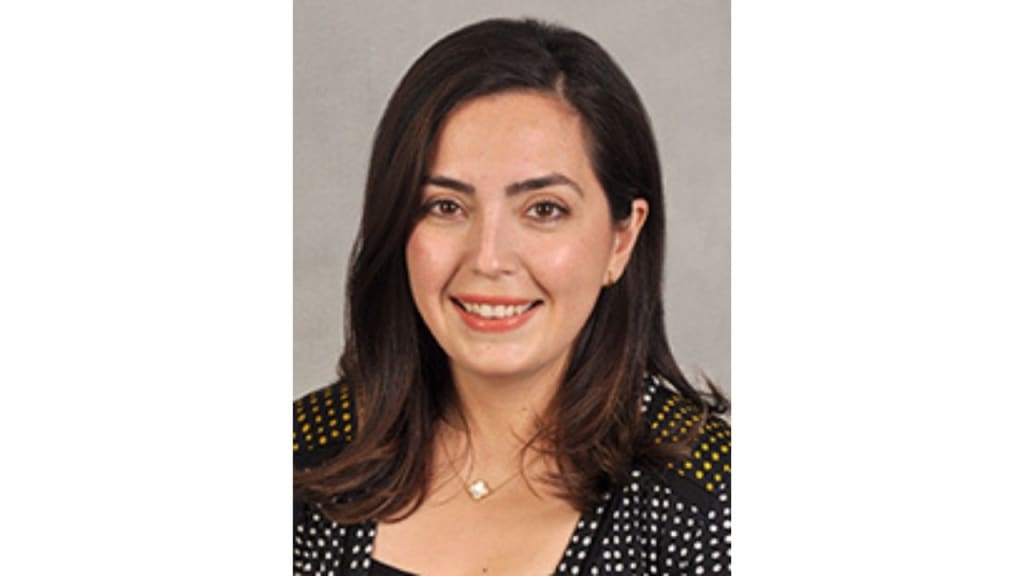
Dr. Ruham Nasany is a neuro-oncologist who joined Upstate University Hospital and Cancer Center in Syracuse, New York in 2020 as the medical director of the neuro-oncology and brain tumor multidisciplinary program and assistant professor in the department of neurology.

Introduction:
Dr. Ruham Nasany is a neuro-oncologist who joined Upstate University Hospital and Cancer Center in Syracuse, New York in 2020 as the medical director of the neuro-oncology and brain tumor multidisciplinary program and assistant professor in the department of neurology. She is dual board certified in neurology and neuro-oncology.
Neuro-oncologists like Dr. Ruham Nasany have training in neurology as well as in oncology which put them in a unique position that allows them to treat cancers involving the nervous system (brain tumors, spinal cord tumors, and peripheral nerves tumors) as well as neurological complications attributed to different types of cancer and the different treatment modalities used to treat those cancers including chemotherapy, radiation therapy, and immunotherapy.
Pink Champions is a breast cancer support group based out of Upstate Cancer Center with the mission of supporting the breast cancer cause. They hold monthly meetings that include networking, support, education, advocacy, awareness and fun for breast cancer patients, survivors, and their caregivers.
Dr. Ruham Nasany met with the pink champion group on September 8th, 2021 to lead the discussion on the topic of choice for that month; “chemo brain". The group shared their personal experience with "chemo brain" and asked questions regarding its definition, cause, and ways of management.
What is chemo brain?
Chemo brain is a common phenomenon experienced by many cancer patients undergoing chemotherapy, explained Dr. Nasany. Many describe it as a decrease in mental “sharpness”, however, symptoms such as confusion, fogginess, difficulty in multi-tasking, and word finding difficulties are also described.
Dr. Nasany shared with the group that while there isn’t one test that can diagnose this condition, the clinical presentation can be enough for the provider to identify the problem.
What are the causes for chemo brain?
Dr. Ruham Nasany explained that while the exact cause of “chemo brain” is unknown, there are many factors that can attribute to it. Dr Nasany listed some of these risk factors:
• Metastatic cancer involving the brain.
• Certain chemotherapy agents with high toxicity rates.
• Older age.
• Radiation therapy to the brain.
• Longer course of disease and treatment leading to more exposure to chemotherapy.
Is everyone’s experience the same?
Dr Nasany shared with the group that while some of the symptoms sound similar, everyone’s experience might be slightly different. The severity of these symptoms and their duration can vary as well.
While some patients can continue to carry on their normal lives with minimal interruption, others might need to put in extra effort to get some tasks done and might even need more help from others.
Is chemo brain a treatable condition?
While there is no clear medication or method to treat chemo brain, neuro-oncologists do recommend regular exercise, keeping a healthy diet, and meditating as ways to help patients through their symptoms.
There are some medications that have been suggested to help with chemo brain as well with various results when tested in the past, and the patients can discuss these with their doctors to see whether they would benefit from them depending on their individual needs.
Cognitive rehabilitation is another method that helps patients in their recovery and is offered at Upstate University Hospital and other academic institutions.
Dr Nasany advised that it might take up to a year after the completion of chemo for the patients to feel close to their normal selves, however, studies have showed that there is a percentage of patients who continue to deal with some of these symptoms to a degree for a long time afterwards.
For these patients, Dr. Nasany advised to talk to their providers who can refer them to multitude of services who can help them in managing their symptoms, including neuro-oncology here at Upstate Cancer Center.
About the Creator
Keep reading
More stories from Albert David and writers in Lifehack and other communities.
Shawn James Goodwin - 7 Things to Ask Your Web Designer before Hire
Shawn James Goodwin, a leading Graphic Designer in Canada. If your business or organization is looking for a web designer, whether for a brand new website or to refurbish or replace an existing one, there are a number of considerations that are well worth spending some of your valuable time on. Because in order to achieve the most effective results, both from the perspective of obtaining a website that delivers exactly what you are looking for from your online presence, and also in terms of meeting your budgetary constraints, it is important to give some constructive thought to a range of questions.
By Albert David4 years ago in Lifehack
Healing the Brain and Body Together
The mind–body connection plays a major role in how people think, feel, and heal. For many years, therapy focused mostly on thoughts and emotions. Today, science shows that the brain and body function as a single system. This means that feelings, stress, and trauma can affect the body just as much as the mind. When therapists understand how the brain works, they can help clients heal in deeper and more lasting ways.
By Debra Bailey PHDabout 2 hours ago in Lifehack
Building Influence in a Remote Team
In traditional office environments, influence often developed naturally through proximity. People who spoke confidently in meetings, participated in hallway discussions, or regularly interacted with leadership often gained recognition and influence simply because they were visible.
By Bahati Mulishi5 days ago in Lifehack


Comments
There are no comments for this story
Be the first to respond and start the conversation.