
Dopamine Decor
The Science-Backed Interior Design Trend That's Rewiring Our Homes for Happiness

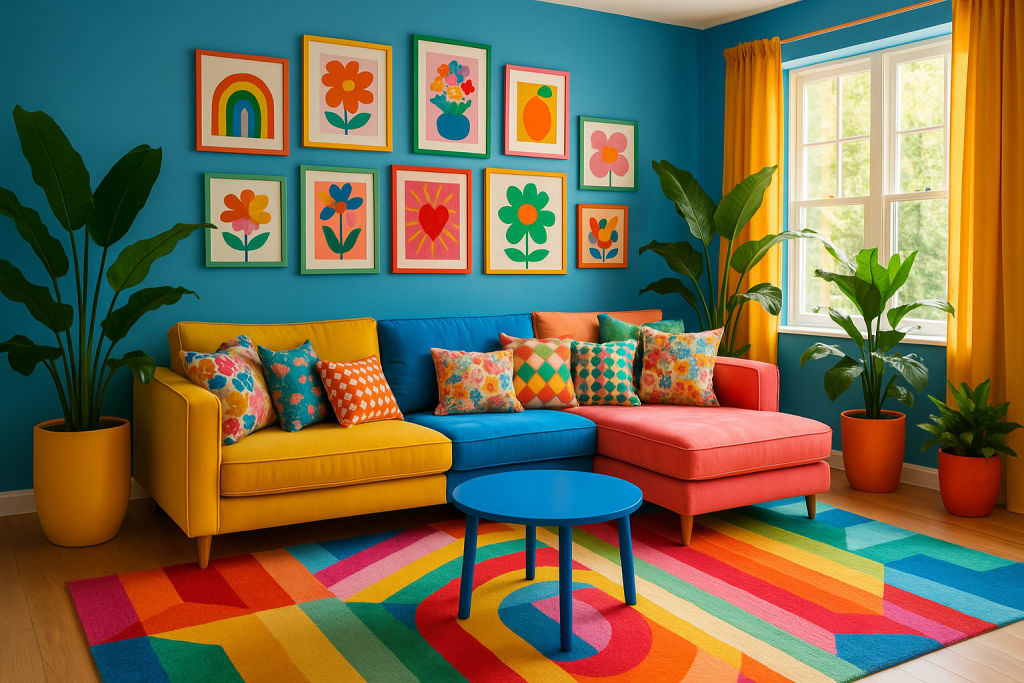
Picture this: You walk into a room and instantly feel your energy lift. Your shoulders relax, a smile tugs at your lips, and suddenly you're motivated to tackle that project you've been putting off. This isn't magic—it's the power of dopamine decor, the revolutionary interior design trend that's transforming homes from sterile spaces into mood-boosting sanctuaries.
While minimalism has dominated our living spaces for the past decade, leaving many feeling emotionally flat in their pristine but personality-free environments, a new movement is emerging. Dopamine decor represents a radical shift toward designing spaces that don't just look good—they make us feel good. With search interest exploding by over 5,300% in recent months, this trend is more than just a passing fad; it's a science-backed approach to creating environments that actively support our mental well-being.
But what exactly is dopamine decor, and why is it capturing the attention of homeowners, renters, and design enthusiasts worldwide? More importantly, how can you harness its principles to transform your own space into a happiness-generating haven? The answers lie in a fascinating intersection of neuroscience, environmental psychology, and practical design wisdom that's reshaping how we think about our homes.
The Science Behind the Smile: Understanding Dopamine and Environmental Psychology
To truly appreciate the power of dopamine decor, we need to understand what's happening in our brains when we interact with our environment. Contrary to popular belief, dopamine isn't simply the "happiness hormone" that wellness gurus often claim it to be. According to recent research from National Geographic, dopamine is far more sophisticated than that simplistic label suggests.
"Dopamine doesn't work like that, and it's certainly not a 'catch-all term for happiness,'" explains Daniel Dombeck, a neurobiology professor at Northwestern University who studies the molecule. Instead, dopamine functions as a complex neurotransmitter that plays critical roles in learning, movement, memory, attention, mood, and motivation. While it contributes to our feelings of pleasure, it doesn't directly cause them—and it definitely doesn't act alone.
The key insight that revolutionizes our understanding of dopamine is this: it doesn't make you like something, it makes you want it. "It's not the molecule of pleasure," says Anne-Noël Samaha, an associate professor of pharmacology and physiology at the University of Montreal. "It's the molecule of the pursuit of pleasure." This distinction is crucial for understanding how our environments can influence our behavior and mood.
When we encounter visually stimulating, colorful, or engaging environments, our brains release dopamine not because these spaces make us happy, but because they trigger our motivation and desire to engage with our surroundings. This neurochemical response evolved as an evolutionary advantage, motivating our ancestors to seek out resources necessary for survival. Today, we can harness this same mechanism to create spaces that naturally encourage positive behaviors and emotional states.
Environmental psychology, the study of human relations and behaviors within the context of built and natural environments, provides the framework for understanding how this works in practice. As Dave Alan Kopec, a specialist in the field and professor at the New School of Architecture and Design in San Diego, explains, environmental psychology examines "the study of human relations and behaviors within the context of the built and natural environments."
Research in this field has consistently shown that our physical surroundings have a direct impact on our subconscious mind, contributing to our emotions and perceptions through a special part of our brain that reacts to the geometry of the space we occupy. Lighting, colors, configuration, scale, proportions, acoustics, and materials all address our senses and generate a spectrum of feelings and practices.
The implications are profound. When applied thoughtfully, space psychology can lead to better productivity in commercial projects, increased sales in retail ventures, and accelerated recovery in healthcare developments. In our homes, these same principles can create environments that naturally boost our mood, increase our motivation, and support our overall well-being.
The Rise of Dopamine Decor: A Response to Minimalism Fatigue
The emergence of dopamine decor isn't happening in a vacuum. It represents a direct response to what many are calling "minimalism fatigue"—the growing sense that our stripped-down, neutral-toned living spaces, while aesthetically pleasing, are leaving us emotionally undernourished.
For over a decade, minimalism has reigned supreme in interior design. The promise was seductive: declutter your space, declutter your mind. Choose neutral colors, clean lines, and sparse furnishings to create a sense of calm and order. While this approach certainly has its merits, many people have found themselves living in spaces that feel more like sterile showrooms than warm, welcoming homes.
The problem with extreme minimalism isn't aesthetic—it's psychological. When we strip away color, pattern, and personal expression from our environments, we may inadvertently be stripping away sources of joy and stimulation that our brains crave. This is where dopamine decor offers a compelling alternative.
Dopamine decor, at its core, is about creating spaces that stimulate the brain through layered colors, patterns, and playful hints of nostalgia. Unlike minimalism's emphasis on reduction, dopamine decor embraces addition—but not in a chaotic or overwhelming way. Instead, it's about thoughtfully incorporating elements that spark joy, trigger positive memories, and create visual interest that keeps our brains engaged and energized.
The trend gained significant momentum through social media platforms, particularly TikTok and Instagram, where users began sharing dramatic before-and-after transformations of their living spaces. These posts often showed the stark contrast between sterile, beige-dominated rooms and their vibrant, personality-filled counterparts. The response was overwhelmingly positive, with viewers expressing how much happier and more motivated they felt in colorful, expressive environments.
But dopamine decor is more than just a social media trend. It represents a fundamental shift in how we think about the purpose of our homes. Rather than viewing our living spaces as neutral backdrops for our lives, dopamine decor encourages us to see them as active participants in our well-being—environments that can lift our spirits, boost our energy, and support our mental health.
This shift is particularly relevant in our current cultural moment. After years of spending more time at home due to global events, many people have developed a deeper appreciation for how their living environments affect their daily experience. The realization that our homes can either drain our energy or replenish it has led to a growing interest in design approaches that prioritize emotional well-being alongside aesthetic appeal.
The Psychology of Color: How Hues Influence Our Mood and Behavior
At the heart of dopamine decor lies a sophisticated understanding of color psychology—the study of how different colors affect human mood and behavior. This isn't just artistic intuition; it's backed by decades of scientific research that reveals the profound impact colors have on our psychological and physiological responses.
Color psychology research has focused on several key areas: physiological responses to color, color preferences, and the effects of color on human emotions and behavior. The findings consistently show that colors do far more than simply please the eye—they actively influence our mental state, energy levels, and even our decision-making processes.
The four primary psychological colors—red, blue, yellow, and green—each trigger distinct emotional and behavioral responses. Red increases energy and can stimulate action, making it an excellent choice for spaces where you want to feel motivated and dynamic. Blue promotes calmness and can help reduce stress, making it ideal for bedrooms or meditation spaces. Yellow is associated with happiness and creativity, perfect for home offices or creative studios. Green connects us to nature and promotes balance, making it versatile for almost any room.
But the psychology of color goes far deeper than these basic associations. Research published in various psychological journals has shown that warm colors (reds, oranges, yellows) tend to make spaces feel more intimate and cozy, while cool colors (blues, greens, purples) can make rooms feel larger and more serene. This knowledge becomes crucial when implementing dopamine decor, as the goal is to create spaces that feel both energizing and comfortable.
One particularly fascinating aspect of color psychology is how cultural and personal associations influence our responses to different hues. While some color responses appear to be universal—such as the calming effect of blue or the energizing quality of red—others are deeply personal, shaped by our individual experiences, memories, and cultural background. This is why effective dopamine decor isn't about following a prescribed color palette, but rather about identifying the colors that personally resonate with you and make you feel most alive and motivated.
The concept of "color temperature" also plays a crucial role in dopamine decor. Warm colors tend to advance visually, making them feel closer and more intimate, while cool colors recede, creating a sense of space and tranquility. By understanding these principles, you can strategically use color to manipulate the perceived size and energy of your rooms.
Recent studies have also explored the relationship between color saturation and emotional response. Highly saturated, vibrant colors tend to be more stimulating and energizing, while muted or pastel versions of the same hues create a softer, more calming effect. This understanding allows for nuanced approaches to dopamine decor—you might choose vibrant, saturated colors for spaces where you want to feel energized and motivated, while opting for softer versions in areas designated for relaxation.
The timing of color exposure also matters. Research has shown that our sensitivity to color can vary throughout the day, with our brains being more receptive to stimulating colors during morning and afternoon hours, and more responsive to calming colors in the evening. This insight can inform decisions about which rooms to prioritize for bold color treatments and how to use lighting to modify color perception throughout the day.
Practical Implementation: Bringing Dopamine Decor to Life in Your Home
Understanding the science behind dopamine decor is one thing; implementing it successfully in your own space is another. The beauty of this design approach lies in its flexibility and accessibility—you don't need a complete renovation or unlimited budget to transform your home into a mood-boosting environment. The key is to start with intention and build gradually, allowing your space to evolve as you discover what truly brings you joy.
The first step in implementing dopamine decor is to identify your personal color palette. This isn't about following the latest trends or copying what you see on social media; it's about tuning into your own emotional responses to different colors. Start by paying attention to the colors that naturally draw your eye when you're shopping, the hues that dominate your wardrobe, or the shades that appear repeatedly in photos you save for inspiration. These preferences often reveal deep-seated emotional connections that can guide your decorating decisions.
Once you've identified your preferred colors, the next step is to choose a focal point for each room. This could be a textured accent wall, a bold piece of furniture, striking artwork, or dramatic window treatments. The focal point serves as the anchor for your color scheme and gives you permission to be bold without overwhelming the entire space. Starting with one strong element makes the process less intimidating and allows you to gauge your comfort level with color before expanding further.
The concept of layering is crucial to successful dopamine decor implementation. Rather than painting every wall in bright colors, consider building your palette through accessories, textiles, and decorative objects. Throw pillows, blankets, artwork, plants, books, and decorative objects can all contribute to your color story while remaining easily changeable as your preferences evolve. This approach also makes dopamine decor more budget-friendly, as you can gradually add colorful elements over time rather than making large investments all at once.
Lighting plays a critical role in how colors appear and feel in your space. Natural light brings out the truest color representation and provides the most flattering illumination for vibrant hues. If your space lacks natural light, consider investing in full-spectrum LED bulbs that mimic daylight. The quality of artificial lighting can make or break a colorful room—poor lighting can make even the most carefully chosen colors appear dull or garish.
Pattern mixing is another hallmark of successful dopamine decor, but it requires a thoughtful approach to avoid visual chaos. The key is to vary the scale of patterns while maintaining a cohesive color palette. For example, you might combine a large-scale floral print with a smaller geometric pattern and a subtle stripe, all incorporating similar colors. This creates visual interest and energy without overwhelming the eye.
Texture adds another layer of sensory engagement that's essential to dopamine decor. Smooth surfaces reflect light and make colors appear more vibrant, while textured surfaces absorb light and create depth. Combining different textures—such as smooth ceramics, nubby fabrics, glossy metals, and rough natural materials—creates a rich sensory experience that engages multiple senses simultaneously.
The integration of personal meaningful objects is what transforms dopamine decor from a generic trend into a deeply personal expression of joy. These might include family photos, travel souvenirs, handmade items, vintage finds, or collections that reflect your interests and experiences. The key is to display these items prominently rather than hiding them away, allowing them to contribute to the overall energy and personality of your space.
Plants deserve special mention in any discussion of dopamine decor implementation. Beyond their obvious color contribution, plants bring life, movement, and a connection to nature that enhances the mood-boosting effects of colorful environments. The act of caring for plants also provides a sense of purpose and accomplishment that contributes to overall well-being. Choose plants with colorful foliage or flowers to maximize their impact on your dopamine decor scheme.
Budget-Friendly Dopamine Decor: Maximum Impact Without Breaking the Bank
One of the most appealing aspects of dopamine decor is its accessibility. Unlike design trends that require expensive furniture or major renovations, dopamine decor can be achieved on virtually any budget. The focus on color, pattern, and personal expression means that even small changes can have dramatic impacts on how a space feels and functions.
The most cost-effective way to introduce dopamine decor into your home is through paint. A single accent wall in a bold, joyful color can completely transform a room's energy for the cost of a few gallons of paint and a weekend of work. When choosing paint colors, don't be afraid to go bolder than you initially think you want—colors often appear more muted once they're on the wall and surrounded by furniture and accessories.
Thrift stores, consignment shops, and online marketplaces are treasure troves for dopamine decor enthusiasts. Look for colorful ceramics, vintage artwork, unique textiles, and interesting decorative objects that speak to you personally. The imperfect, eclectic nature of secondhand finds often adds to the charm and authenticity of dopamine decor. Plus, the hunt for unique pieces becomes part of the joy of creating your space.
DIY projects offer another budget-friendly avenue for implementing dopamine decor. Simple projects like painting picture frames in bright colors, creating colorful wall art, or reupholstering chair cushions in vibrant fabrics can have significant impact for minimal cost. The internet is full of tutorials for dopamine decor DIY projects, from macrame wall hangings to painted furniture makeovers.
Textiles are perhaps the most versatile and affordable way to add color and pattern to your space. Throw pillows, blankets, curtains, and rugs can instantly transform a neutral room into a vibrant, energizing environment. The beauty of using textiles is that they're easily changeable—you can swap them out seasonally or as your preferences evolve without making permanent changes to your space.
Rearranging and repurposing items you already own is completely free and can be surprisingly effective. That colorful scarf could become wall art when framed. Books can be arranged by color to create rainbow displays. Dishes and glassware can be displayed openly to add color to kitchen spaces. Sometimes the key to successful dopamine decor is simply seeing the potential in items you already possess.
Plants offer exceptional value in dopamine decor implementation. A few strategically placed plants with colorful foliage or flowers can bring life and vibrancy to any space. Many plants can be propagated from cuttings, making it possible to fill your home with greenery for the cost of a few starter plants. Colorful pots and planters can further enhance their decorative impact.
Lighting modifications can dramatically change how colors appear in your space without requiring major electrical work. Colored light bulbs, string lights, and colorful lampshades can all contribute to a more vibrant, energizing atmosphere. LED strip lights behind furniture or under cabinets can add ambient color that transforms the mood of a room.
The key to successful budget-friendly dopamine decor is to think creatively and prioritize impact over expense. A few well-chosen, boldly colored elements will have more effect than many small, timid additions. Focus on pieces that make you genuinely happy rather than items you think you should have based on trends or others' preferences.
Room-by-Room Guide: Tailoring Dopamine Decor to Different Spaces
Each room in your home serves different functions and therefore benefits from different approaches to dopamine decor. Understanding how to adapt the principles to various spaces ensures that your entire home works together to support your well-being while respecting the practical needs of each area.
Living Rooms: The Heart of Social Energy
Living rooms are often the most public spaces in our homes, making them ideal candidates for bold dopamine decor statements. This is where you can really let your personality shine through vibrant furniture, colorful artwork, and eclectic accessories. Consider a bold, colorful sofa as your anchor piece, or if that feels too permanent, use colorful throw pillows and blankets to achieve similar impact.
Gallery walls work particularly well in living rooms, allowing you to display a collection of colorful artwork, photographs, and meaningful objects. Mix different frame colors and sizes to create visual interest, and don't be afraid to include three-dimensional objects like small shelves, mirrors, or decorative plates.
Lighting is crucial in living rooms, as these spaces need to function for both energizing daytime activities and relaxing evening gatherings. Consider multiple light sources that can be adjusted throughout the day—bright, colorful pendant lights or table lamps for daytime energy, and softer, warmer lighting for evening relaxation.
Kitchens: Energizing Culinary Creativity
Kitchens benefit enormously from dopamine decor because they're spaces where we want to feel energized and creative. If you're able to make permanent changes, colorful cabinets can have tremendous impact—think bright blues, cheerful yellows, or energizing greens. For renters or those hesitant about permanent changes, colorful accessories can achieve similar effects.
Open shelving provides opportunities to display colorful dishes, glassware, and kitchen tools as decorative elements. Arrange items by color to create rainbow displays, or group similar hues for more subtle impact. Colorful small appliances, cutting boards, and kitchen textiles can all contribute to an energizing culinary environment.
Backsplashes offer another opportunity for color introduction, whether through colorful tile, painted glass, or even removable wallpaper designed for kitchen use. The key is to choose colors that make cooking feel joyful rather than overwhelming.
Bedrooms: Balancing Energy and Rest
Bedrooms present a unique challenge for dopamine decor because they need to support both energizing morning routines and restful evening wind-down. The solution is often to use color strategically—perhaps focusing bold colors in areas you see when getting dressed or starting your day, while keeping the immediate sleeping area more subdued.
Colorful bedding is an easy way to introduce dopamine decor into bedrooms. Layer different patterns and textures in your chosen color palette, and don't be afraid to mix prints—florals with geometrics, stripes with polka dots—as long as they share common colors.
Artwork above the bed or on walls you face when getting dressed can provide morning motivation through color and inspiring imagery. Consider pieces that make you smile or remind you of positive experiences and goals.
Home Offices: Boosting Productivity and Creativity
Home offices are perhaps the spaces that benefit most from dopamine decor, as the goal is to create an environment that naturally motivates and energizes. This is where you can be particularly bold with color choices, as the stimulating effects directly support productivity and creativity.
Consider painting one wall in a vibrant, energizing color, or creating a colorful gallery wall behind your desk. Colorful office supplies, desk accessories, and storage solutions can all contribute to an inspiring work environment. Plants are particularly beneficial in home offices, providing both color and the psychological benefits of nature connection.
Lighting is crucial in home offices, as poor lighting can cause eye strain and fatigue that undermines the energizing effects of colorful decor. Ensure you have adequate task lighting, and consider full-spectrum bulbs that support alertness and focus.
Bathrooms: Starting and Ending the Day with Joy
Bathrooms are often overlooked in decorating schemes, but they're spaces we use multiple times daily, making them prime candidates for mood-boosting color. Colorful towels, shower curtains, and bath mats are easy ways to introduce dopamine decor into these spaces.
If you're able to make more permanent changes, colorful tile, painted walls, or colorful vanities can have significant impact. Even small changes like colorful soap dispensers, toothbrush holders, and artwork can transform a utilitarian bathroom into a joyful space.
Consider the lighting in your bathroom carefully—harsh, unflattering light can make even the most beautiful colors appear garish. Soft, warm lighting often works best for creating a welcoming, energizing atmosphere.
Common Mistakes to Avoid: Learning from Dopamine Decor Missteps
While dopamine decor is inherently forgiving and personal, there are some common pitfalls that can undermine its effectiveness or create spaces that feel chaotic rather than energizing. Understanding these potential missteps can help you implement dopamine decor more successfully and avoid costly mistakes.
Overwhelming the Senses
The most common mistake in dopamine decor implementation is going too far too fast. The enthusiasm for color and pattern can lead to spaces that feel overwhelming rather than energizing. The key is to remember that dopamine decor is about creating joy, not sensory overload. Start with one or two bold elements and build gradually, allowing your eye and emotions to adjust to each addition before introducing more.
A good rule of thumb is the 60-30-10 principle: 60% of your room should be a neutral or subdued color, 30% should be your secondary color, and 10% should be your boldest, most vibrant accent color. This creates balance while still allowing for significant color impact.
Ignoring Natural Light Conditions
Colors behave very differently under various lighting conditions, and failing to account for your space's natural light can lead to disappointing results. Colors that look vibrant and cheerful in a well-lit showroom might appear dull or muddy in a north-facing room with limited natural light. Always test paint colors and fabric samples in your actual space at different times of day before making final decisions.
If your space lacks natural light, don't abandon dopamine decor—instead, choose colors that work well under artificial lighting and invest in quality light sources that enhance rather than diminish your color choices.
Following Trends Instead of Personal Preferences
Dopamine decor is fundamentally about personal joy and emotional response, not following the latest trends. A color palette that looks stunning on social media might not resonate with you personally, and forcing yourself to live with colors that don't genuinely make you happy defeats the entire purpose of the approach.
Take time to identify your authentic color preferences rather than copying what you see online. Pay attention to your emotional responses to different colors and trust your instincts, even if they don't align with current trends.
Neglecting Functionality
While dopamine decor emphasizes emotional well-being, it shouldn't come at the expense of functionality. A bright red dining room might feel energizing, but if it makes food look unappetizing or creates an uncomfortable atmosphere for meals, it's not serving its purpose effectively.
Consider the practical functions of each space when making color and design decisions. Bedrooms need to support rest, kitchens need to make food preparation pleasant, and work spaces need to enhance focus and productivity.
Underestimating the Power of Neutrals
Some dopamine decor enthusiasts make the mistake of eliminating neutrals entirely, thinking that more color always equals more joy. In reality, neutrals play a crucial role in dopamine decor by providing visual rest and allowing bold colors to truly shine. Neutrals also help prevent color fatigue and make spaces feel more sophisticated and intentional.
Think of neutrals as the supporting cast that allows your colorful elements to be the stars. White, cream, gray, and natural wood tones can all serve as effective backdrops for vibrant accents.
Expert Insights: Professional Perspectives on Dopamine Decor
Interior designers and environmental psychologists are increasingly recognizing the value of dopamine decor principles, even if they don't always use that specific terminology. Their professional insights can help guide successful implementation and avoid common pitfalls.
The Importance of Personal Connection
Professional designers consistently emphasize that successful dopamine decor must be deeply personal. "The most important thing is that the colors and objects in your space have meaning for you," explains one interior designer who specializes in mood-boosting environments. "A color that energizes one person might feel overwhelming to another. The key is tuning into your own emotional responses rather than following prescribed formulas."
This personalization extends beyond color choices to include meaningful objects, artwork, and furniture that tell your story and reflect your experiences. Designers often encourage clients to display items that might not traditionally be considered "decorative" if they bring joy—collections, travel souvenirs, family heirlooms, or handmade items.
The Role of Texture and Pattern
Experienced designers understand that dopamine decor is about more than just color—texture and pattern play equally important roles in creating engaging, energizing environments. "Smooth surfaces reflect light and make colors appear more vibrant, while textured surfaces add depth and visual interest," notes one design professional. "The interplay between different textures creates a rich sensory experience that engages multiple senses simultaneously."
Pattern mixing, when done skillfully, can create the kind of visual complexity that keeps spaces interesting and engaging. The key is to vary the scale of patterns while maintaining a cohesive color story.
Balancing Stimulation and Calm
Professional designers who work with dopamine decor principles understand the importance of creating spaces that feel energizing without being overwhelming. "The goal is to create an environment that naturally lifts your mood and energy when you need it, but doesn't prevent relaxation when that's what you're seeking," explains one environmental psychology consultant.
This balance is often achieved through thoughtful use of color intensity and placement. Bold, saturating colors might be used as accents or in areas where you want to feel energized, while softer versions of the same hues create a more calming effect in relaxation areas.
The Evolution of Spaces
Experienced designers also emphasize that dopamine decor should be allowed to evolve over time. "Your color preferences and emotional needs change as you grow and experience life," notes one design professional. "The beauty of dopamine decor is that it's inherently flexible—you can add, subtract, and modify elements as your preferences change without starting over completely."
This evolutionary approach makes dopamine decor more sustainable both financially and emotionally, as spaces can grow and change with their inhabitants rather than requiring complete overhauls when tastes shift.
The Future of Dopamine Decor: Trends and Innovations
As dopamine decor continues to gain popularity and scientific understanding of environmental psychology deepens, several trends and innovations are emerging that point toward the future of mood-boosting interior design.
Technology Integration
Smart home technology is beginning to incorporate dopamine decor principles through programmable lighting systems that can adjust color temperature and intensity throughout the day to support natural circadian rhythms and mood regulation. Some systems can even respond to weather conditions, providing brighter, more energizing light on cloudy days and softer, more calming light during stressful periods.
Color-changing LED strips and smart bulbs make it easier than ever to experiment with different color combinations and adjust your environment to match your mood or activities. These technologies make dopamine decor more accessible to renters and those hesitant to make permanent changes to their spaces.
Biophilic Design Integration
The integration of biophilic design principles—incorporating natural elements into interior spaces—is becoming increasingly common in dopamine decor implementations. This might include living walls, natural materials, water features, and abundant plant life that provide both color and connection to nature.
Research continues to support the mood-boosting benefits of natural elements in interior spaces, making this integration a natural evolution of dopamine decor principles.
Sustainable and Ethical Considerations
As environmental consciousness grows, dopamine decor is evolving to incorporate sustainable and ethical considerations. This includes choosing eco-friendly paints and materials, supporting local artisans and makers, and prioritizing vintage and secondhand finds over new purchases.
The emphasis on personal meaning and emotional connection in dopamine decor naturally aligns with sustainable practices, as items chosen for their personal significance are more likely to be treasured and kept long-term rather than discarded when trends change.
Therapeutic Applications
Healthcare and therapeutic environments are beginning to incorporate dopamine decor principles to support patient well-being and recovery. Research into the healing effects of color and environmental design is informing the creation of medical spaces that feel more welcoming and less institutional.
This professional application of dopamine decor principles is likely to generate additional research and refinement of the approach, benefiting both therapeutic and residential applications.
Conclusion: Creating Your Personal Happiness Haven
Dopamine decor represents more than just a design trend—it's a fundamental shift toward recognizing our homes as active participants in our well-being. By understanding the science behind how our environments affect our mood and behavior, we can make intentional choices that support our mental health and enhance our daily experience.
The beauty of dopamine decor lies in its accessibility and personalization. Whether you're working with a limited budget or have resources for major renovations, whether you prefer bold, saturated colors or softer, more subtle hues, the principles can be adapted to create spaces that genuinely support your happiness and motivation.
The key is to start with intention and build gradually, always prioritizing your personal emotional responses over external trends or expectations. Pay attention to the colors, patterns, and objects that naturally draw your eye and make you smile. Trust your instincts, even if they lead you toward choices that feel unconventional or bold.
Remember that creating a dopamine decor environment is an ongoing process, not a destination. Your preferences will evolve, your life circumstances will change, and your space should be allowed to grow and adapt accordingly. The flexibility inherent in dopamine decor makes this evolution not just possible but enjoyable.
As you embark on your own dopamine decor journey, keep in mind that the ultimate goal isn't to create a space that looks like anyone else's or follows any particular formula. The goal is to create an environment that consistently lifts your spirits, supports your well-being, and reflects your authentic self. When you achieve that, you'll have created something far more valuable than a beautifully decorated room—you'll have created a true happiness haven that supports and nurtures you every single day.
The science is clear: our environments profoundly impact our mood, behavior, and overall well-being. Dopamine decor gives us the tools to harness this knowledge intentionally, creating spaces that don't just shelter our bodies but nourish our souls. In a world that often feels chaotic and overwhelming, having a home that actively supports our happiness isn't just a luxury—it's a necessity for thriving in modern life.
Ready to transform your space into a mood-boosting haven? Start small, trust your instincts, and remember that the most beautiful room is one that makes you genuinely happy to be in it. Your future self will thank you for creating a space that supports your well-being every single day.
About the Creator
5 Simple Lifehacks to Keep Your Teeth Healthy Every Day
Healthy teeth aren’t just about occasional dental visits—they’re shaped by the little choices you make every day. Simple habits, when done consistently, can prevent cavities, gum issues, sensitivity, and other oral concerns while keeping your smile bright and comfortable. These lifehacks are easy to integrate into your routine and don’t require drastic lifestyle changes.
By Smile Sydney6 days ago in Lifehack
The BAFTA Awards
By now, in a stunning departure from recent years, most of the world is aware of what happened at the BAFTA film awards. Social Media Headlines will tell you the bare bones: that John Davidson, a Tourette's Syndrome advocate, shouted a racial slur at two Actors of Colour, Michael B Jordan and Delroy Lindo.
By Natasja Rose6 days ago in Psyche




Comments
There are no comments for this story
Be the first to respond and start the conversation.